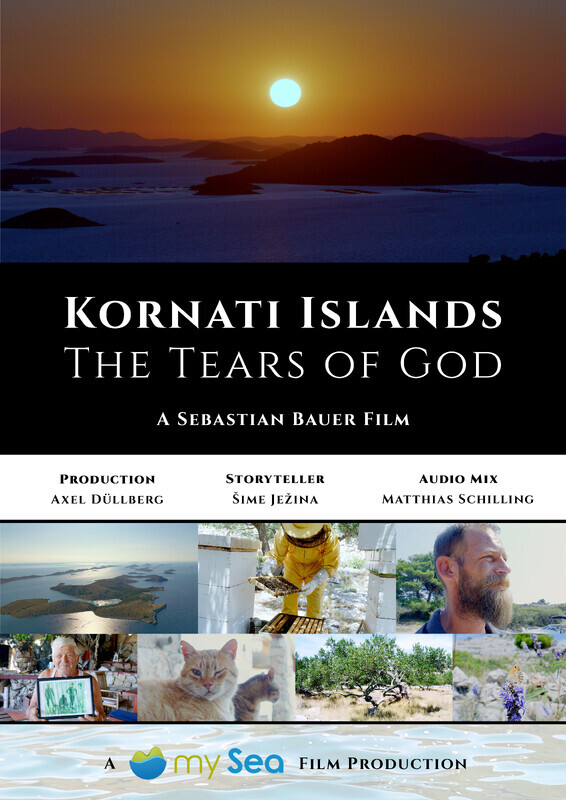
THE INTERVIEW

January, 2026

SÉBASTIAN BAUER

DIRECTORS OF KORNATI ISLANDS “THE TEARS OF GOD”

HONORABLE MENTION
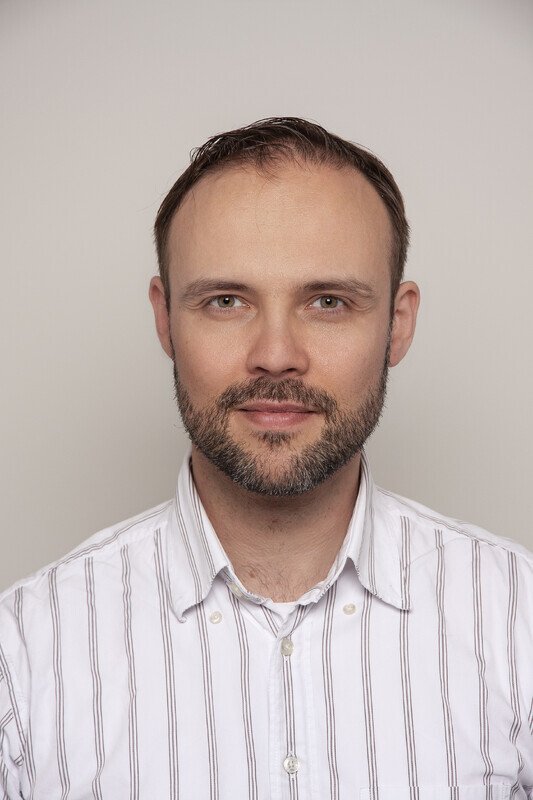
Sebastian, tell us a bit more about yourself. Where does your desire to become a director come from?
Even as a child, I edited and dubbed films together with my father on the television. Since then, I’ve basically always been running around with a camera, trying to capture everything from what I felt were the best angles and perspectives. From a very early age, I was strongly visually oriented and felt the need to express myself through imagery—regardless of the form or medium.

What is your background?

After finishing school, I immediately began studying “Digital Film” at a private academy. This was followed by several internships in the Munich film industry, including at Concorde Filmverleih and ARRI. At the same time, however, the desire to create my own productions grew stronger and stronger. To acquire a solid economic foundation for this path, I also studied Business Administration with a focus on marketing. Through commissioned work, I was able to gradually expand my equipment. At the end of 2023, I achieved my first major success with the short documentary “hoplove – A Journey Through the Hop Year at Lake Constance”, which won awards at numerous festivals worldwide and made it to the finals of the RED Movie Awards. With “Kornati Islands – The Tears of God”, I was able to successfully continue this journey this year.

What were your references for Kornati Islands – The Tears of God?
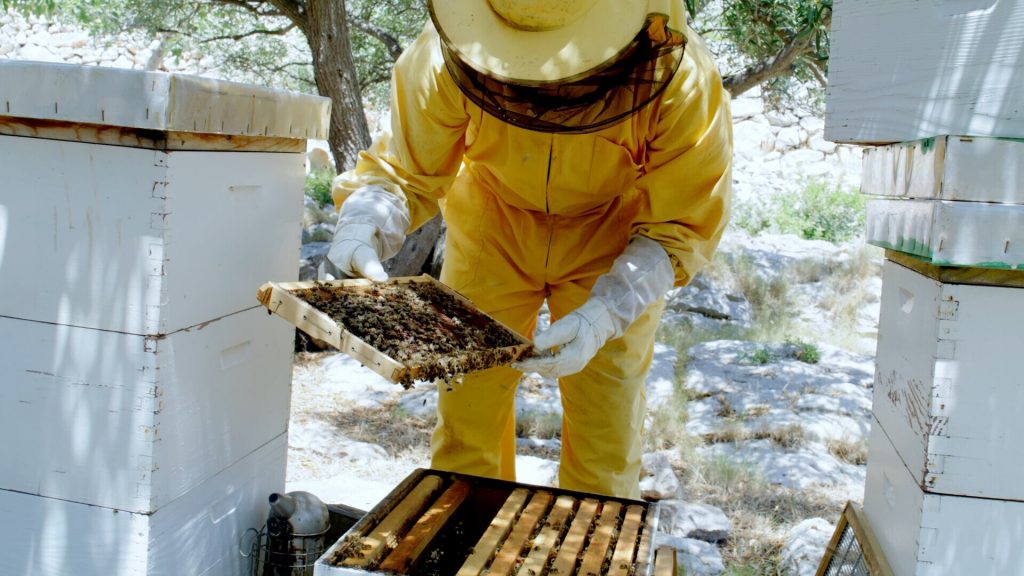
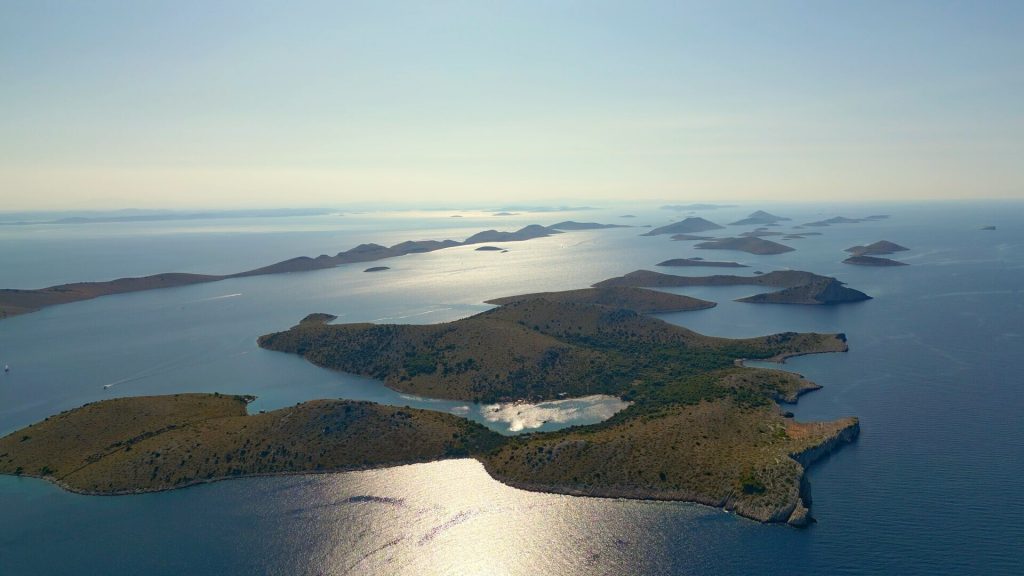
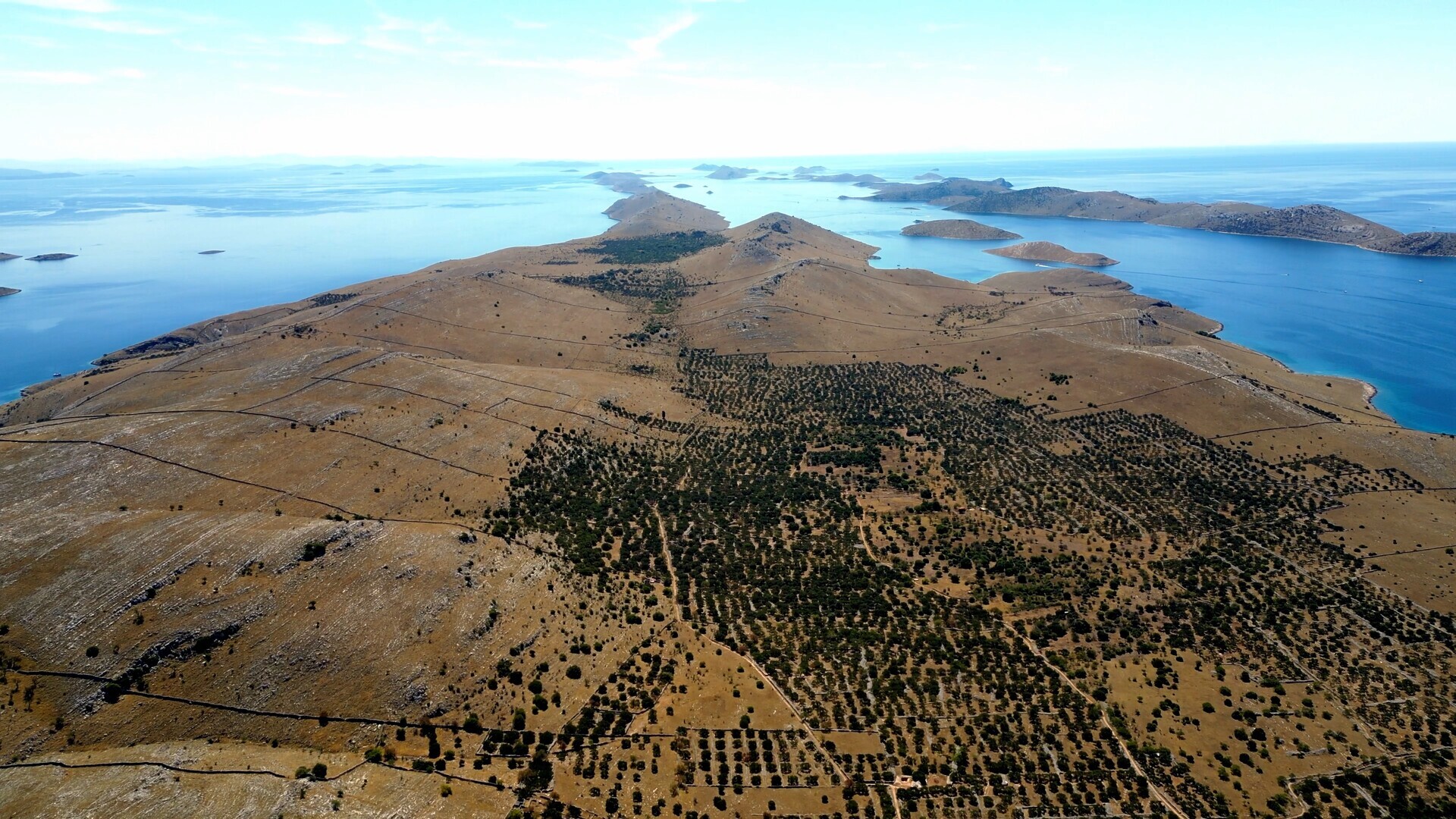
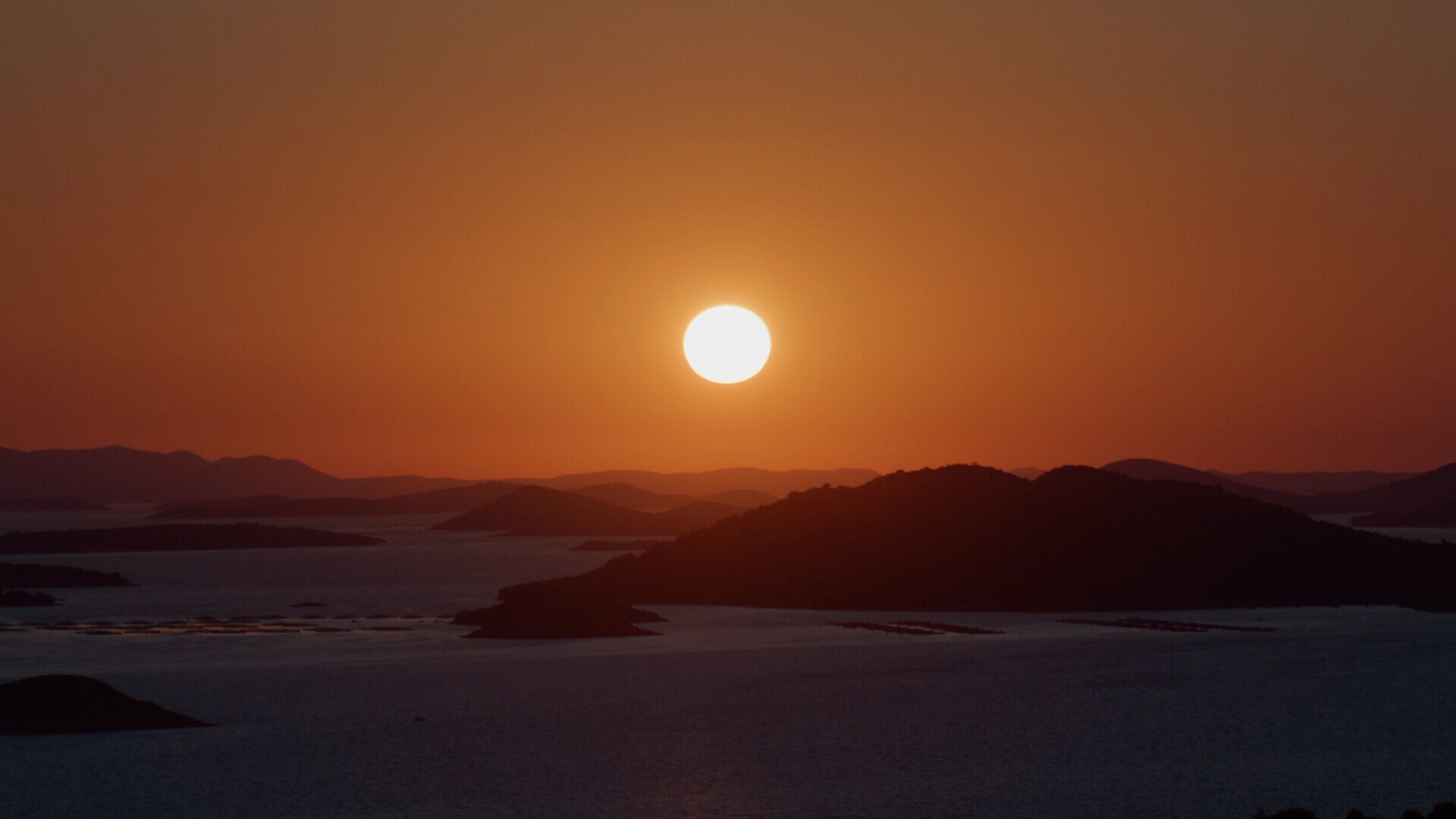
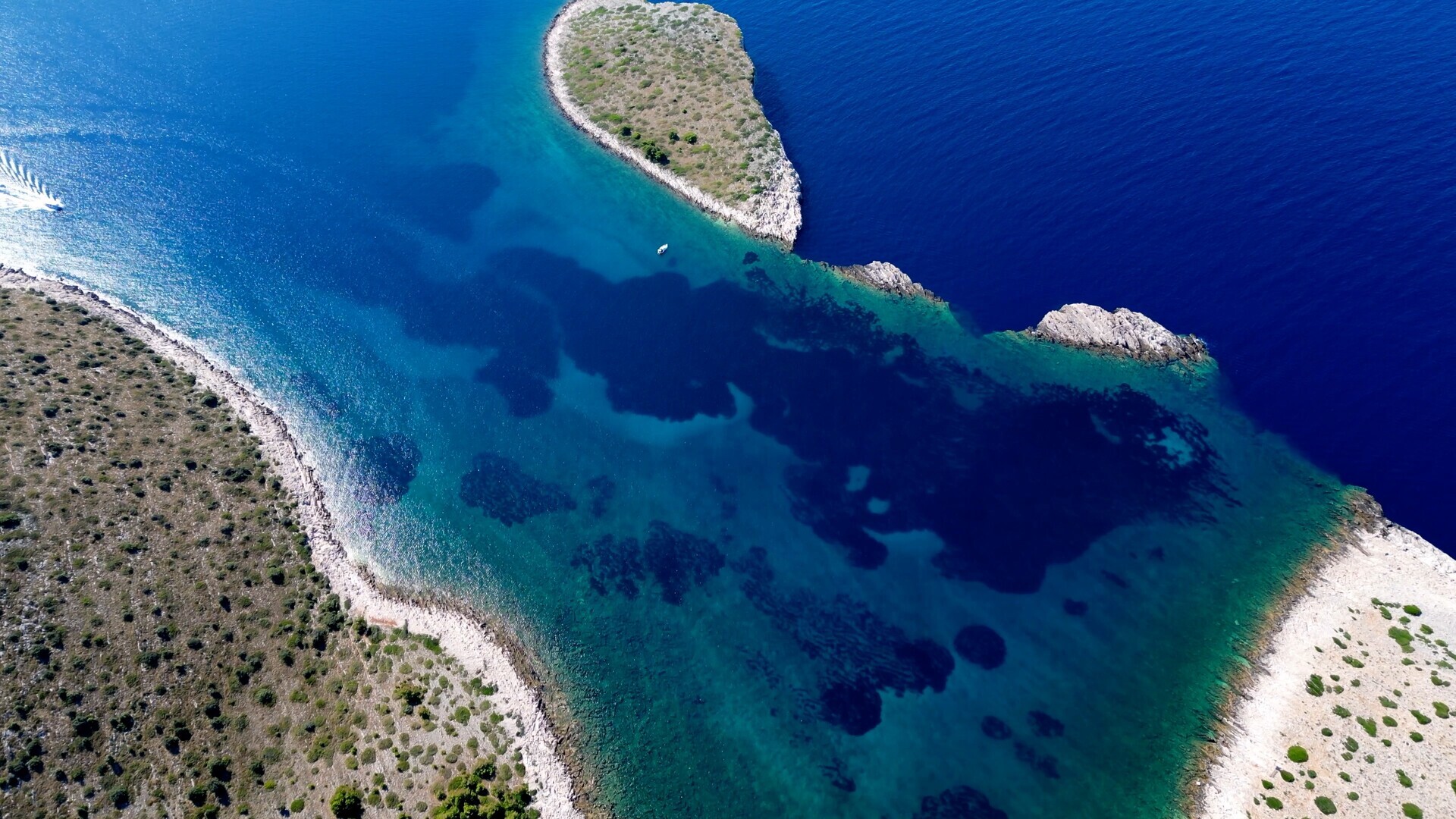
The initiative for this film came from producer Axel Düllberg, CEO of mySea. Over many years, he had spent a great deal of time on the Kornati Islands himself and developed a deep personal connection to them. After seeing my film “hoplove”, he commissioned me to portray the Kornati Islands with a new approach: focusing on the people and their lives on these islands. The Kornati Islands feel like a place that has fallen out of the world—absolute silence, a deep connection to nature, immediate proximity to the sea, and a raw, primal landscape. At the same time, they are a national park of striking beauty and a place that can help people reconnect with themselves.

You received a Honorable Mention at the RED Movie Awards—what does this award mean to you?
This recognition means a great deal to me. It represents a moment of pause and acknowledgment on my cinematic journey—a milestone that shows me that passion, dedication, and trust in one’s own vision truly matter. For me, it is less a proof of talent than a sign that my films are able to reach, move, and inspire people. That is the true essence of every creative process for me. This recognition fills me with gratitude and pride for what has been achieved—and for everything that is yet to come.

The Kornati archipelago is often described as raw and unforgiving. How did you approach capturing both its harshness and its beauty on screen?
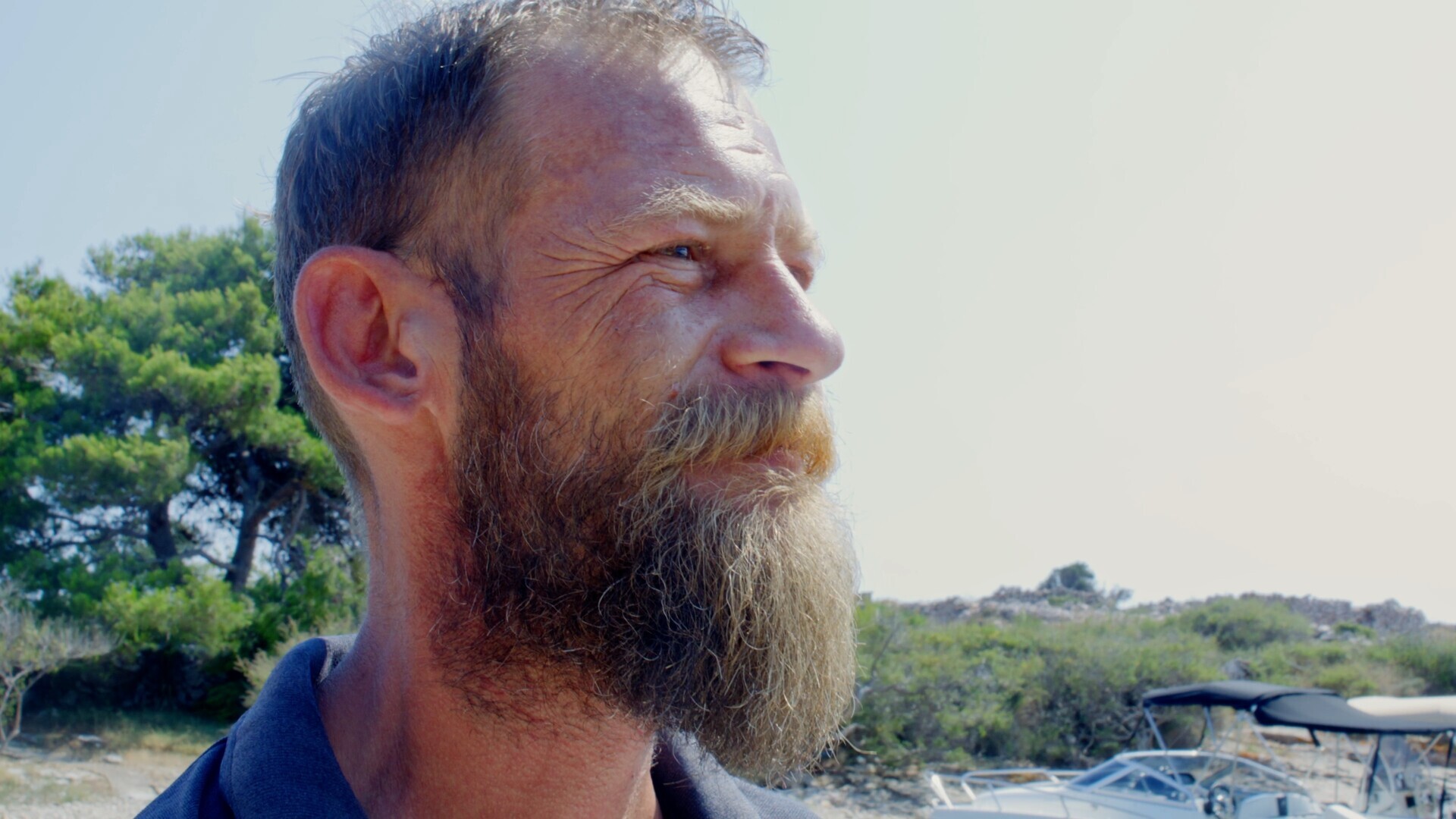
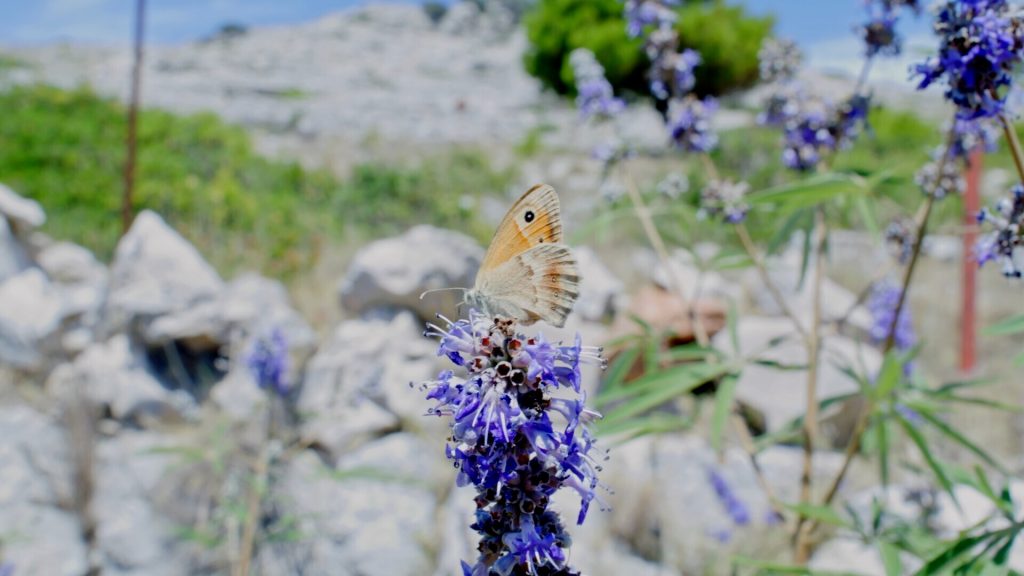
In total, I had only about five shooting days available. During this time, I was accompanied by Šime Ježina, the former director of the Kornati National Park. He also serves as the narrator of the film and explains, among other things, why the Kornati Islands carry the nickname “the Tears of God.” Together with him and his team, I was able to travel through large parts of the national park and carry out drone flights over the open sea from a boat. Takeoffs and landings from the boat required the highest level of precision, as did maintaining control of the drone over long distances and at great heights. On land, I used my RED Komodo as well as an FPV drone to capture small settlements and extraordinary natural locations. I also had the opportunity to film the underwater world together with a professional diver. The heat was extreme, and it required great endurance, discipline, and concentration to realize all these shots far from any infrastructure.

What were the main challenges—logistical or emotional—of filming in such a remote environment?
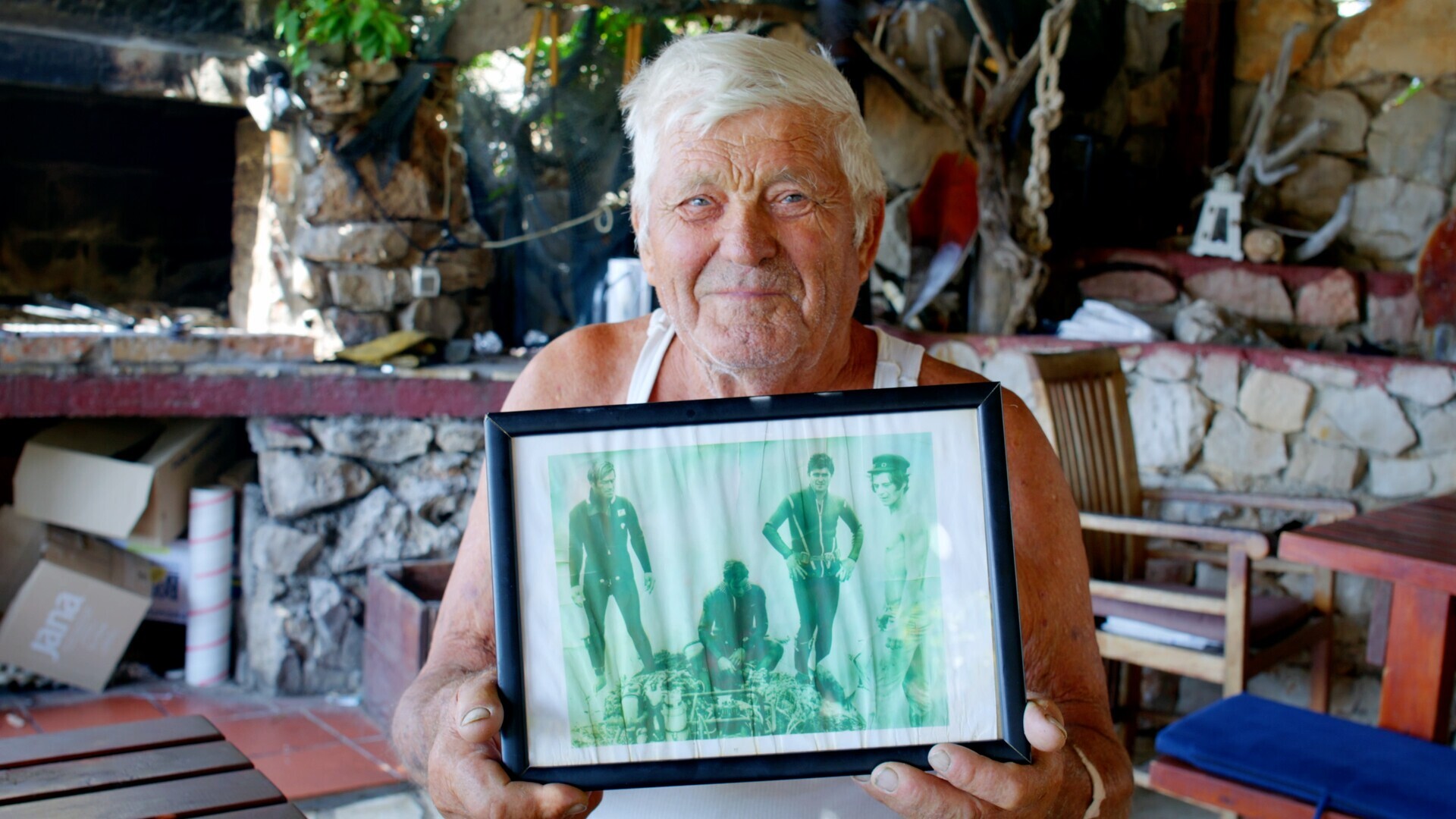
The greatest challenge was the constant uncertainty and the need to continuously adapt to changing conditions. Weather shifts, changing light, and the tight schedule demanded quick decisions. Often, plans had to be changed spontaneously without knowing whether a situation would arise again. From a logistical standpoint, this meant precisely planning every battery and every technical resource in advance. There was no opportunity to recharge or back up footage in between—every shooting moment had to count. Emotionally, the remoteness was demanding: while it creates a deep inner calm, it also requires mental stability and self-confidence to remain focused and creative. At times, I interviewed people whose language I did not understand during the shoot and only had their statements translated afterward. Nature feels like a central character in the film.

How did you use visuals and sound to let the landscape “speak for itself”?

I consciously recorded many sound elements separately in order to integrate them selectively into the soundtrack later. In the editing process, it was important to me to create a varied visual rhythm that combines drone shots, wide angles, and calmer compositions. Music was a central element. We searched for a long time and eventually found a piece that carries the tension between the rawness and gentleness of the Kornati Islands. My intention was never to artificially impose something, but rather to subtly enhance what was already there. For the use of the song “Cesarica”, we explicitly requested permission from Croatia Records. This song has great cultural significance in Croatia, and it was important to us to integrate it into the film with respect and a full awareness of its emotional weight.
How did this journey change your own relationship with time, solitude, and nature?
Time became less something to control and more something to allow. In the isolation of the Kornati Islands, it follows the rhythm of light, weather, and movement. I did not experience solitude as a lack, but as a space of clarity. Nature ceased to be a backdrop and became a counterpart—raw, demanding, and at the same time comforting. This experience sharpened my perspective as a storyteller and reminded me that true stories often emerge where we slow down and truly perceive.

If someone has never been to the Kornati Islands, how would you describe the feeling of being there in just one sentence?
The Kornati Islands feel like a place where time grows quieter, the landscape speaks, and one encounters oneself anew in the vastness between raw primal force and silent beauty.

What is your next project?

At the moment, I am carrying an idea within me that has not yet been fully decided upon. “Voluntario – The Fire Horse” is a music-driven short film in which visual language and music are interwoven as equals. At its core is the unbreakable human will to keep going despite resistance. A black stallion galloping powerfully through the plains of Spain symbolizes the inner fire of life. Multiple layers unfold in parallel: the expressive presence of a flamenco dancer translating inner conflict into movement, and the fate of a woman raising her children alone under difficult circumstances. The result is an atmospherically dense short film that tells its story less through dialogue than through music, bodies, images, and symbolism—a universal story about hope, resilience, and the power to preserve one’s inner fire.

Links:
Website mySea: https://my-sea.com/
Website Kornati National Park: https://www.np-kornati.hr/
Website Sebastian Bauer: https://www.eaglepictures.de/
YouTube Movie „Kornati Islands – The Tears of God“: https://youtu.be/DqEdETLrrZw
YouTube Trailer „Kornati Islands – The Tears of God“: https://youtu.be/TUqn9XQ4vjo