
THE INTERVIEW
June, 2026
PETER ZERZAN
DIRECTORS OF THE TOURIST
BEST FANTASY
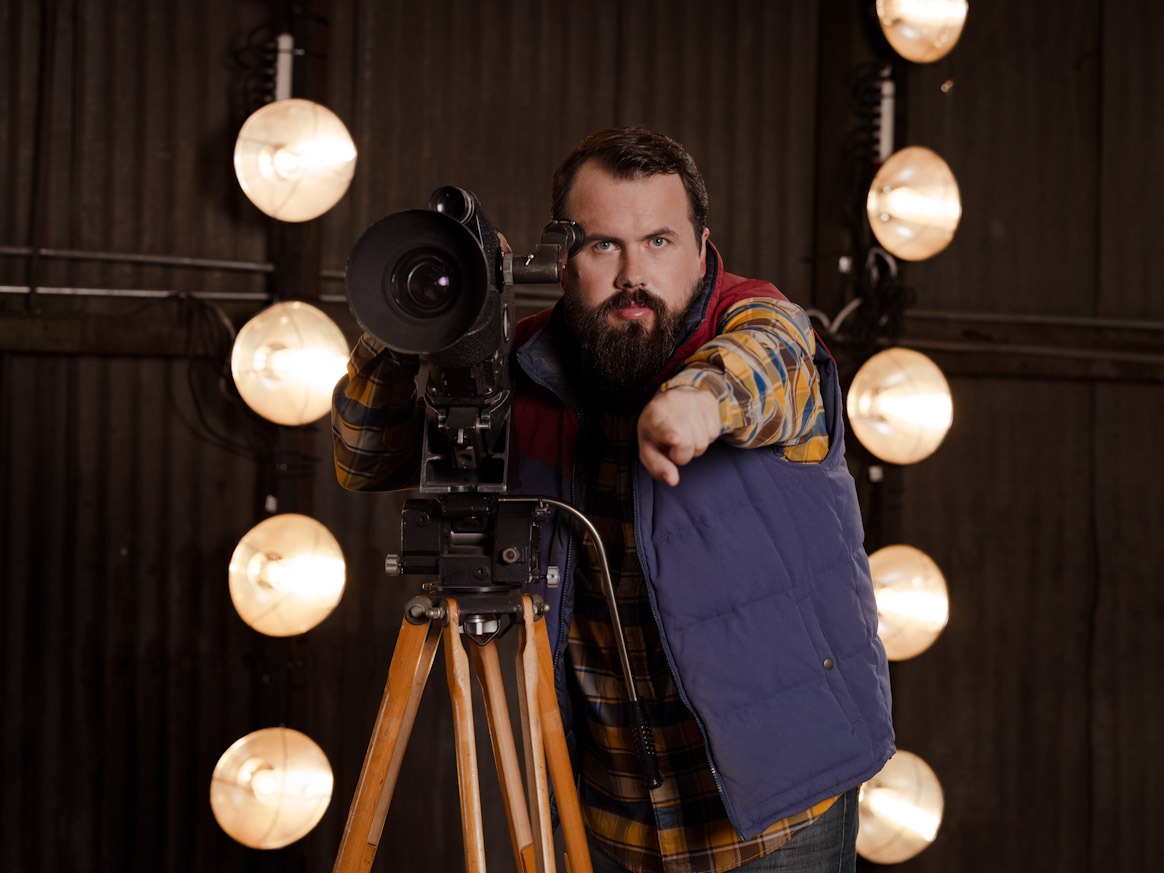
Peter, tell us a bit more about yourself. Where does your desire to be a director come from?
The film that made me really want to be a filmmaker was The Godfather. I must have watched it 100 times in my 20s. In college, I was a film minor but a political science major. Late in high school and throughout college, I watched many classic films by auteurs like Akira Kurosawa, Ingmar Bergman, and Jean-Luc Godard on DVD from The Criterion Collection. I was also blessed to live in the San Francisco area, where repertory theaters like the Castro and Stanford showed a lot of classic films from Hollywood and overseas. In 35mm no less. This gave me a passion for filmmaking as an art and made me believe a movie can move us in ways other artistic mediums like novels or plays or paintings cannot. Over the years, as I have seen the film making process play out, I have gain respect for filmmakers critics would call hacks. Any movie that gets made is a miracle. However, seeing a film like Throne of Blood or The Silence during college taught me the heights of what a movie could be.
What is your background?
After college, I worked on Obama’s campaign for the president in 2008. For the next several years, I was a political organizer for various progressive campaigns and causes. My work took me across the United States. I lived in places like Gary, Indiana, Allentown, Pennsylvania, and Flint, Michigan. While it gave me a new perspective on the world, I wanted to move back to San Francisco. I got involved in local politics but it felt like I was going nowhere. Too many people who thought too highly of themselves and didn’t care about making an impact on our city. About a year or so before the pandemic, I decided to switch careers to filmmaking. I wrote a short film about my experiences as an organizer. Since then, I’ve been making movies.
What were your references for The Tourist?
I can’t think of any specific movies we were trying to reference. I started with a story I heard when I visited a resort in Vietnam. The man running of the resort, an Italian gentleman, told me of a Japanese businesswoman who went there. One night, she got very drunk and, the next morning, embarrassed, she gave a big tip. When I started writing, I thought what would be the most useless conference to go to. I thought something about crypto fit the bill, as I had read several books about that world and the surreal conferences they held. Then, I thought of the location, I knew I wanted to stay tropical. However, I wanted to go someplace I hadn’t been before. That ruled out Vietnam and Cambodia. I felt Bali or Thailand would be too stereotypical for foreign tourists. Then, I remembered a trip I had to Portugal. I went to an Indian restaurant one night and was surprised to see beef and pork on the menu. Growing up in the Bay Area, there is a large Indian and Pakistani population and you never saw those items on a menu because of religious reasons. Then I remembered Goa, a Portuguese colony of India very different from the rest of the country. I picked up a Lonely Planet guidebook about Goa and went to work on the screenplay.
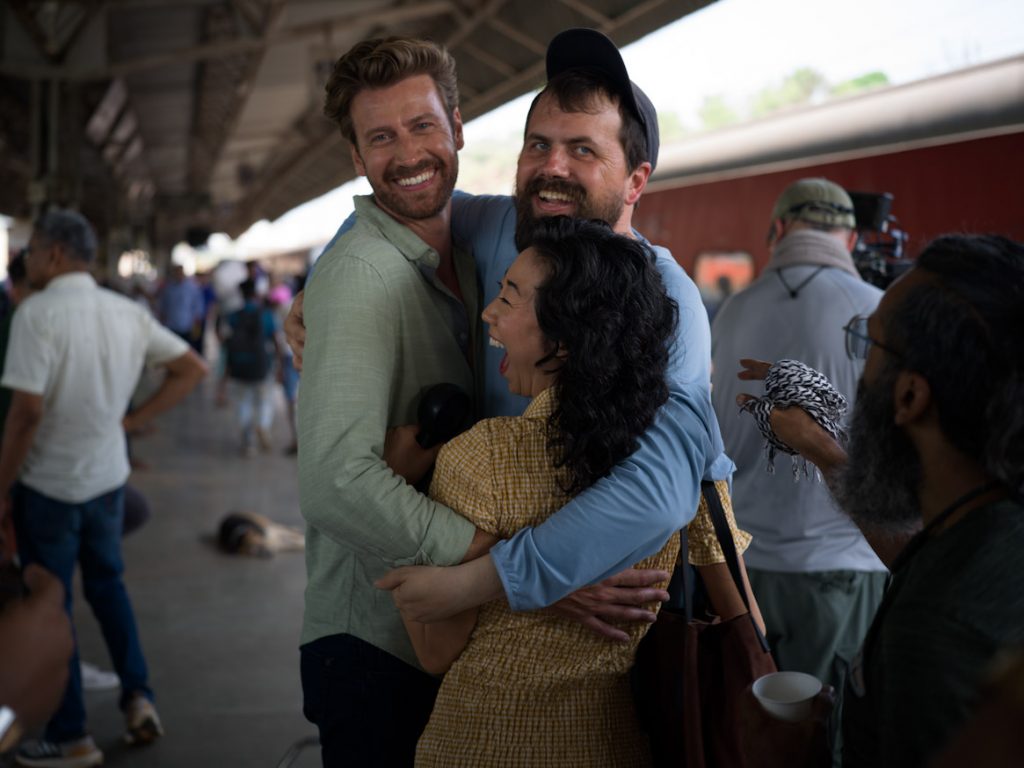
Mathieu won Best Supporting Actor at the RED Movie Awards, what does that mean to you?
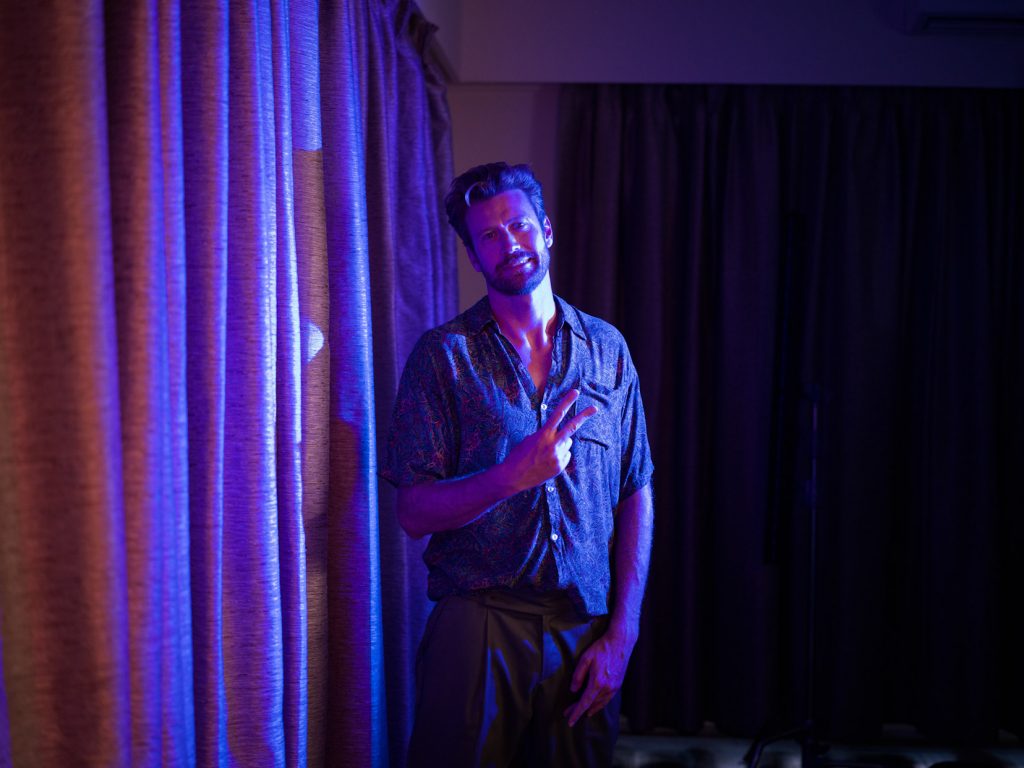
It means the world. In the original script, the character was written for an American. However, of the hundreds of men who auditioned for the role, Mathieu was the best actor. We changed the character’s name and the dialogue just to fit Mathieu. After Melissa Pennel and I wrote the script, I showed it to my wife Emi, who is Japanese and worked for a brief period in finance. She said she didn’t believe someone like Akiko would give up a steady job for a guy she just met. When I showed her the film, she said Mathieu made it believable a Japanese woman in finance would leave everything for him.
How did you work with the actors?
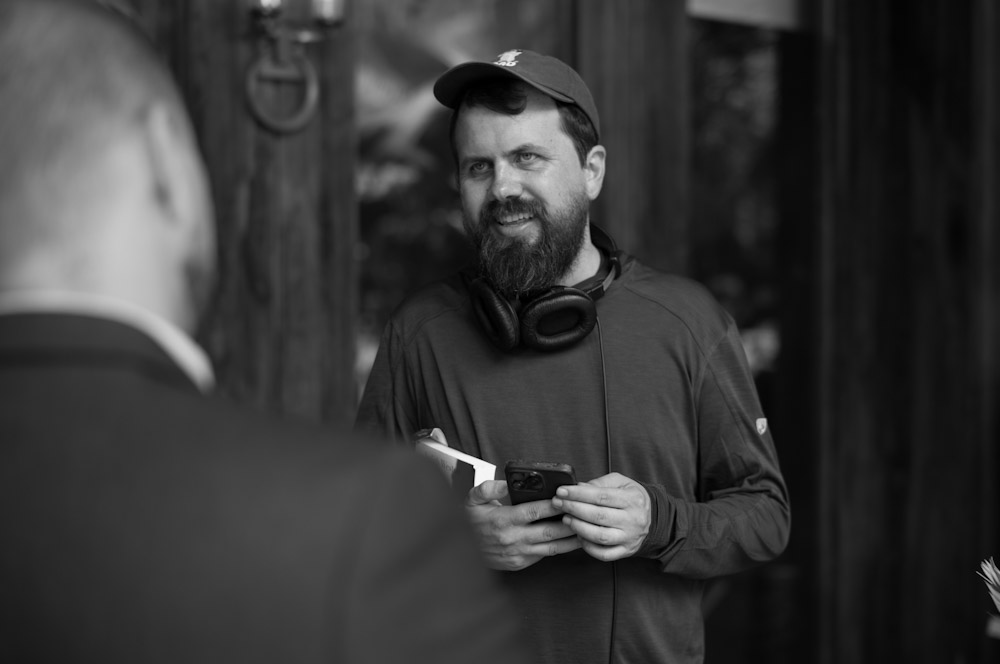
I put a lot of emphasis on the casting process. I want to make sure we have the right person for the role. Once I cast the role, however, I let the actors take control of the role. I do like to have rehearsals for the actors to really flesh out the characters they are playing. Unfortunately, on this shoot, due to geography, we weren’t able to have rehearsals. However, because we did chemistry tests with the lead characters beforehand, I was amazed by both Miho Saito’s and Mathieu’s performances. I don’t like to over direct. I believe once you find the right person for the role, they will bring the character to life. You have to trust them to do this. Give the actors guidance and answer all their questions but don’t overwhelm them with requests. If someone is wrong for the role, spending 50 takes isn’t going to turn them into a young Robert de Niro.
Travel plays an important role in the narrative. Why was a business trip the ideal setting for Akiko’s transformation?
Travel takes you out of your element. One thing my cinematographer Sean Carroll and my editor Alec Douglas made sure was in the film is the opening shot of Akiko in a van to the hotel surrounded by conference attendees. It created an atmosphere of isolation and alienation. You get the contrast between this dull unimportant crypto conference with people trying to sell you something you don’t need with the natural beauty of Goa-the beach, the waterfall, churches, temples, markets, all things that make you feel alive. Contrast is important in storytelling. A business trip, especially to a place like Goa, provides the perfect contrast.
How did the visual style of the film support the story’s themes?
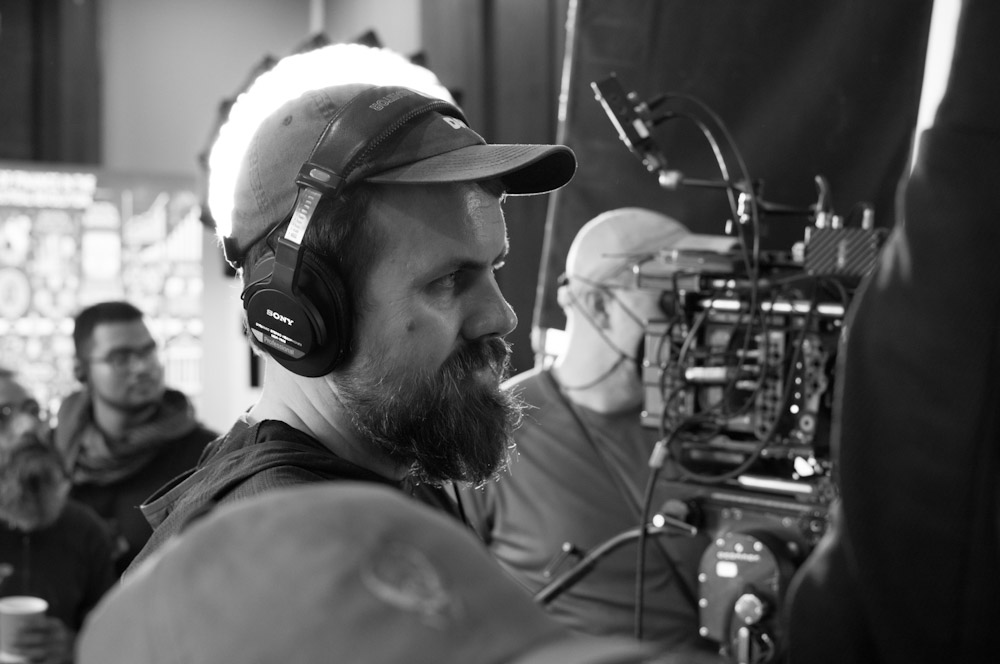
I worked with Sean, Costume Stylist Rajvi Sheth, and Art Director Devika Dave to come up with a color palette. We used Johann Wolfgang von Goethe’s Theory of Colours to shape the look of Akiko and Kevin. If you look at Akiko’s outfits, you will see they change colors. Since the story is about Akiko going on a journey, Akiko’s clothes go on a journey across Goethe’s color wheel. Film is a visual medium. Using colors to tell the story is a lost art in my opinion.
The film seems to invite audiences to question their own priorities. What conversations do you hope it sparks?
I do think people need to ask why they are doing what they are doing. I have a wife and children and live in the most expensive place on Earth, San Francisco, so I understand why many people work in the jobs they hate. You have to pay the bills. However, I see plenty of people in the leading industry of SF, tech, just going along with herd mentality. Why is billions being poured into self-driving cars when existing train technology moves more people quicker and is cheaper to maintain? Why are tech giants so hell bent on destroying the livelihood of creatives they spend billions of dollars and use tons of resources on AI when that could be going to good things like curing cancer? Crypto was chosen for a reason. It has existed since before the iPad yet has yet to show any practical day-to-day use. However, despite its volatility, it just won’t go away. I was very proud of Miho and Melissa pushing me to emphasize the scam nature of crypto in the film. I do hope people ask if what they are doing is helping others instead of just trying to be rich.
Do you have an anecdote to share with us in particular?
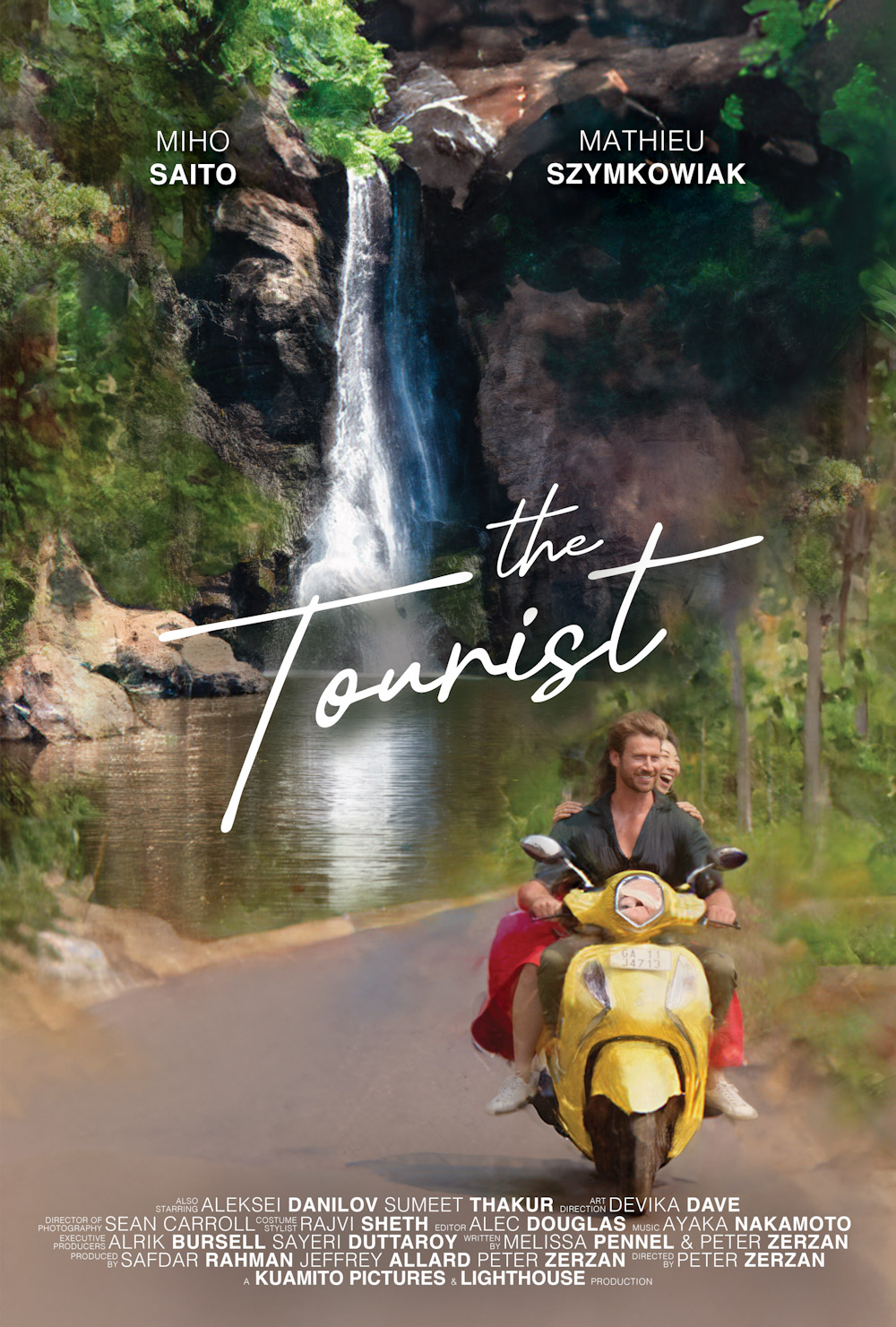
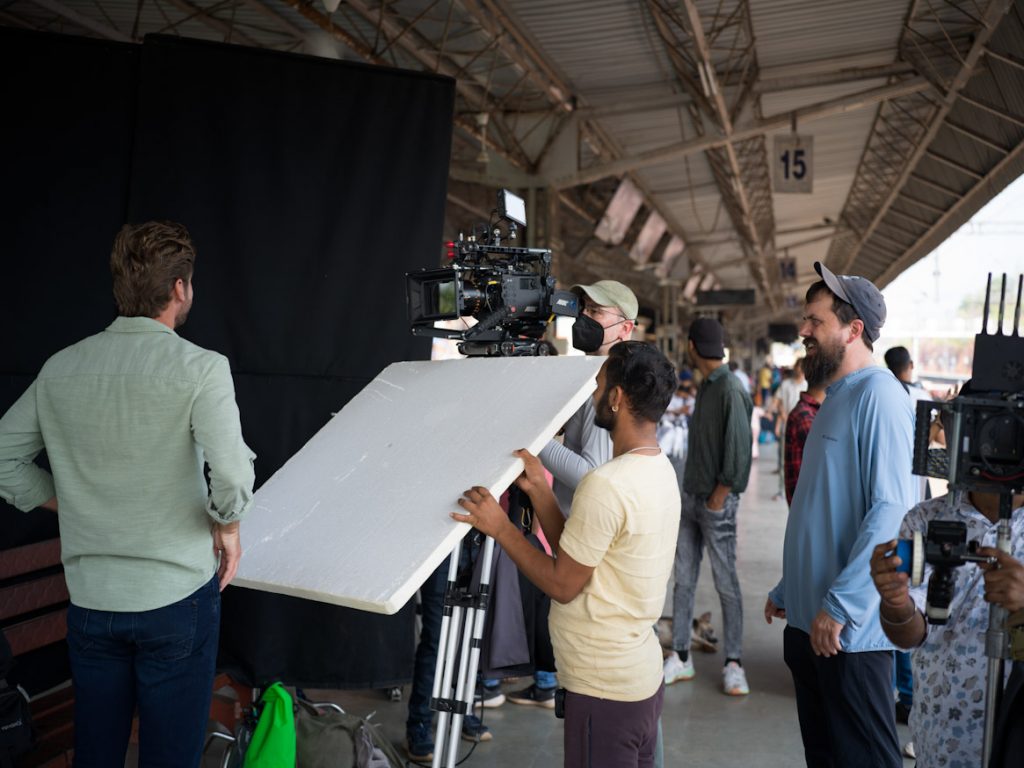
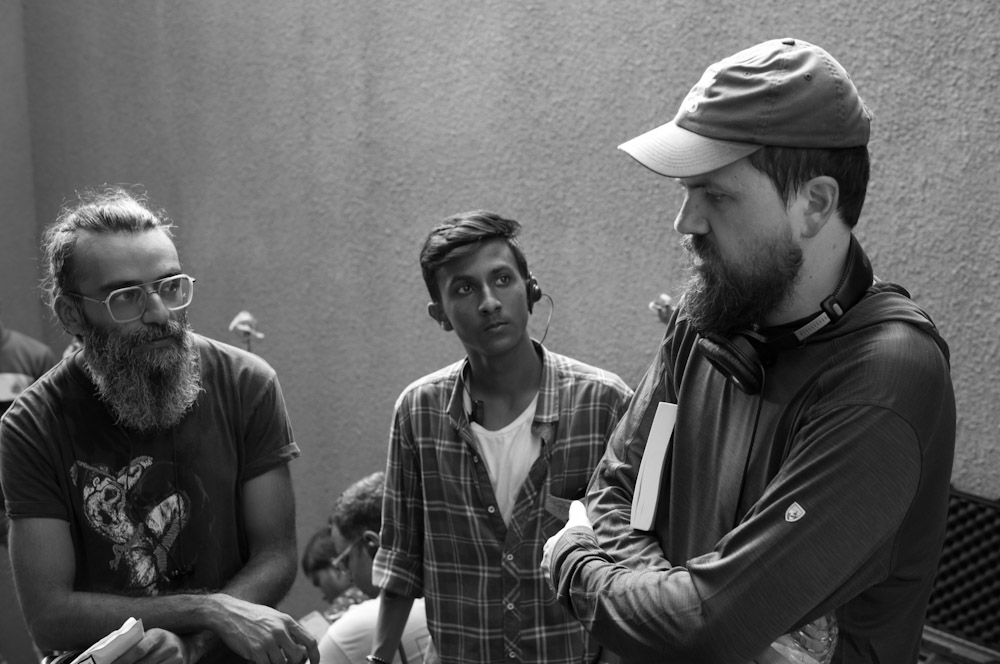
The scene of Miho and Mathieu on the moped in the countryside is the one we used on the poster. It happened completely by accident. When Melissa and I were writing the script, it was just one of many planned for the montage of their day together. I was inspired by a shot in the Lonely Planet guidebook of a road in Goa but I didn’t put much thought into it. When Sean and I were storyboarding the film, it wasn’t a scene we talked about much or thought needed a lot of planning (we only had 3 days to shoot). When we scouted locations, Safdar Rahman, our producer in Goa, showed us one spot near the temple and the waterfall we would film. No one had it as a priority. However, on the second day of shooting, Safdar found another location to use. We were ahead of schedule because we had filmed so much on our first day, we decided to get that scene out of the way. It was Miho riding on a moped Mathieu was driving while Sean, Varun Sanda, our 1st AD, and myself were in a van filming. We just filmed on the Indian countryside, no permits, no stopping traffic. From the van, I would yell directions at the actors. We did this for about half an hour. After we had finished and we were driving to the next shoot, I turned to Sean and said that was the scene for the movie. He agreed. We knew we had our movie poster. I think planning vs spontaneity is a false choice. I like to plan everything before I shoot. However, if something comes up on the day of the shoot and it is better than what is planned, I go with it. In fact, I believe planning helps with spontaneity. If you plan things out ahead of time, you will know if something better comes around.
What is your next project?
Right now, Melissa, Jeff Allard, my producer in the US, and myself are working on a thriller. We are finishing up the screenplay as well as looking for financing for this feature. We also are looking into turning The Tourist into a feature as well. Currently India has a 40% tax credit for foreign productions. It really is a great place to shoot and we would like to shoot there again.