THE INTERVIEW

November, 2026

SHELDON WOODSON

DIRECTOR OF URNS (Proof of Concept)

BEST SCREENPLAY
Sheldon, tell us a bit more about yourself. Where does your desire to be a director come from?
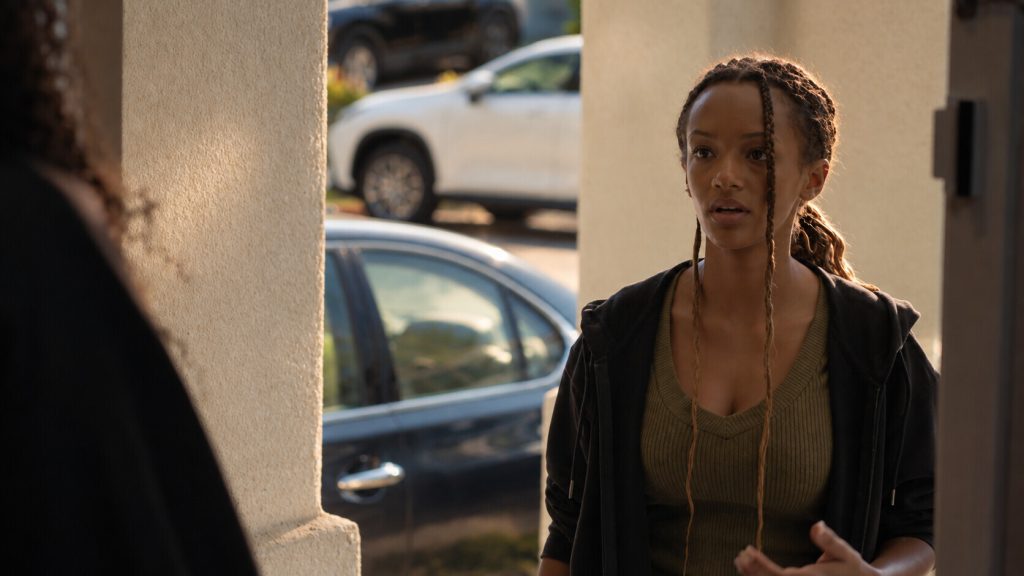
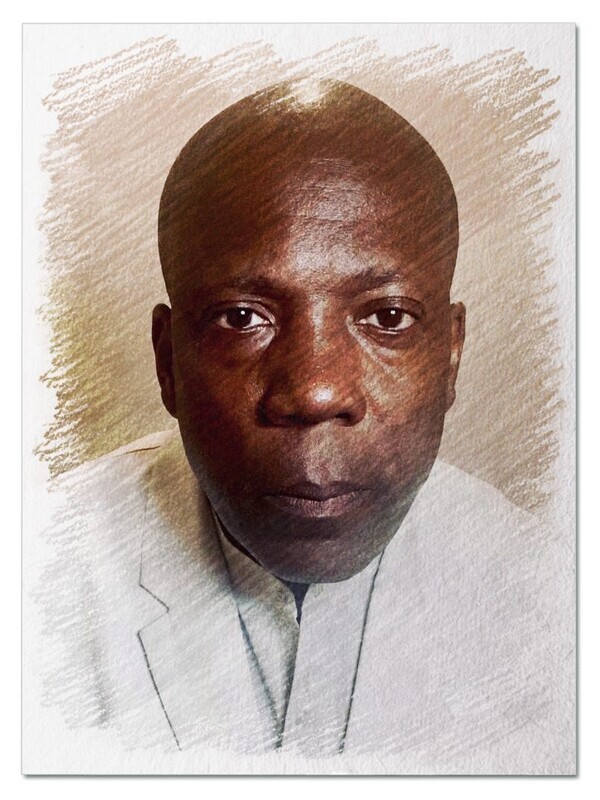
I’m Sheldon Woodson, a writer, producer, director, novelist, and the founder of Woodson’s World Studios. I consider myself a spiritual and psychological storyteller because I’m fascinated by the human mind, the soul, and the parts of our existence we don’t fully understand. My desire to become a director came from wanting to be what I call a full-circle creator. I wanted to understand every stage of filmmaking, from developing the original idea and writing the screenplay to producing, directing, and bringing the finished work to an audience. I realized early on that being on only one side of the creative process could be limiting. It meant putting my career, my stories, and ultimately what I migh accomplish in the film industry in other people’s hands. And sometimes those people weren’t necessarily going to give me an opportunity. I watched countless documentaries and interviews with some of my favorite directors, and one message kept coming through: If you want to make it in this business, sometimes you have to make it yourself. That stayed with me. I didn’t want to spend my career waiting for someone to give me permission to tell my stories. I wanted to learn the business, understand the creative process, and develop the ability to bring my own vision to life. That’s really where my desire to direct came from. It wasn’t just about being behind the camera. It was about taking responsibility for my creative future. And that’s still how I approach filmmaking today.

What is your background?

I grew up in Gary, Indiana. After graduating from high school at seventeen, I moved to Fort Wayne, Indiana, to study architecture. I was interested in the creative side of architecture, but I quickly discovered that I wasn’t quite prepared for the mathematics involved. So, my plans changed, and I eventually joined the military. Interestingly enough, it was during my military career that I developed a serious interest in writing. At the time, I wanted to become a novelist like Stephen King or John Grisham. I admired their ability to create characters and worlds that could completely absorb a reader. I began writing novels and even received a little recognition for my work. But eventually, I reached a crossroads. I had to make a choice between pursuing writing full-time or continuing my military career. I chose the military. I served for twenty-four years before retiring. I don’t regret that decision because the military taught me discipline, leadership, organization, and how to accomplish a mission even when circumstances aren’t ideal. Those lessons have been extremely valuable in filmmaking. After retiring, I returned my attention to storytelling, but the entertainment landscape had changed. The world I remembered, where books occupied so much of people’s attention, had become increasingly dominated by movies, television, and the Internet. So I adapted. I began transitioning from novels into screenwriting, learning how to tell stories visually rather than exclusively through the written word. That eventually led me into producing and directing. Looking back, it’s interesting how everything connects. Architecture introduced me to visual design and structure. The military taught me discipline and leadership. Novel writing taught me character development and storytelling. Filmmaking brought all those experiences together. In many ways, I feel as though everything I’ve done has prepared me for what I’m doing now.

What were your references for URNS (Proof of Concept)?
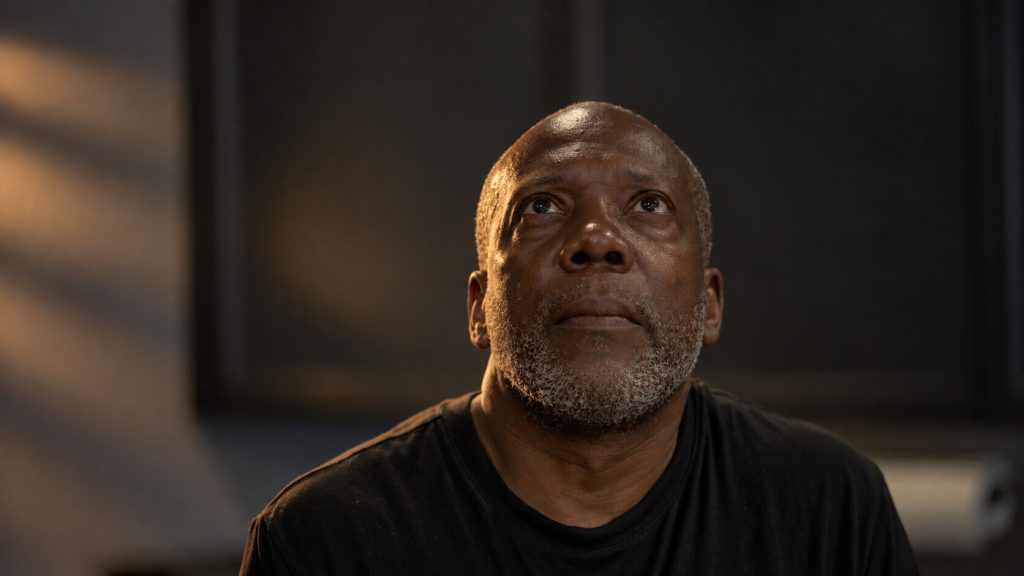
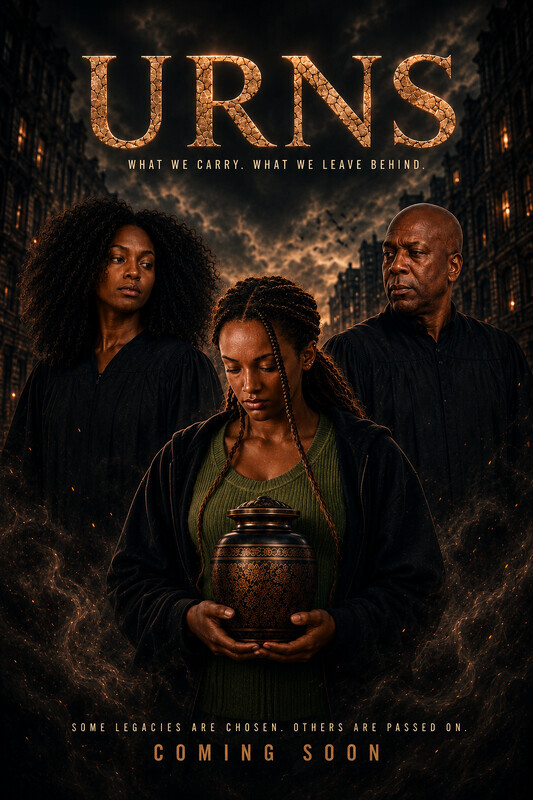
My primary reference for URNS was actually a philosophical question rather than a particular movie. I’ve always been fascinated that none of us gets to choose the body we’re born into. Some people are born with healthy, fully functioning bodies, while others enter this world with serious physical limitations or disabilities. And then there are people who, despite having physically healthy bodies, experience such intense emotional or psychological suffering that they no longer want to continue living. That contrast made me think. What if there were another option? What if a person who no longer wanted to inhabit their body could voluntarily give it to someone whose soul desperately wanted the opportunity to experience life in a fully functioning body? What if a service could make that exchange possible? That was the beginning of URNS. I believe life is special. It’s precious, and I believe we should do everything possible to preserve it. I began imagining a world in which death wasn’t necessarily the only outcome for someone who had lost the desire to live, and physical limitations didn’t necessarily have to define the entirety of another person’s existence. Of course, that possibility immediately creates enormous moral, psychological, and spiritual questions. Who has the right to make that exchange? What happens to identity? What happens to the soul? And just because something becomes possible, does that mean it should be done? From a cinematic standpoint, I appreciate films like Get Out and Being John Malkovich because they take unusual ideas about consciousness, identity, and human behavior and make audiences examine them from a different perspective. But URNS grew out of my curiosity about the relationship between the body, the soul, and life’s value. I wanted to create a story that entertained people while making them question something they might never have considered before.

You won Best Screenplay at the RED Movie Awards. What does that mean to you?
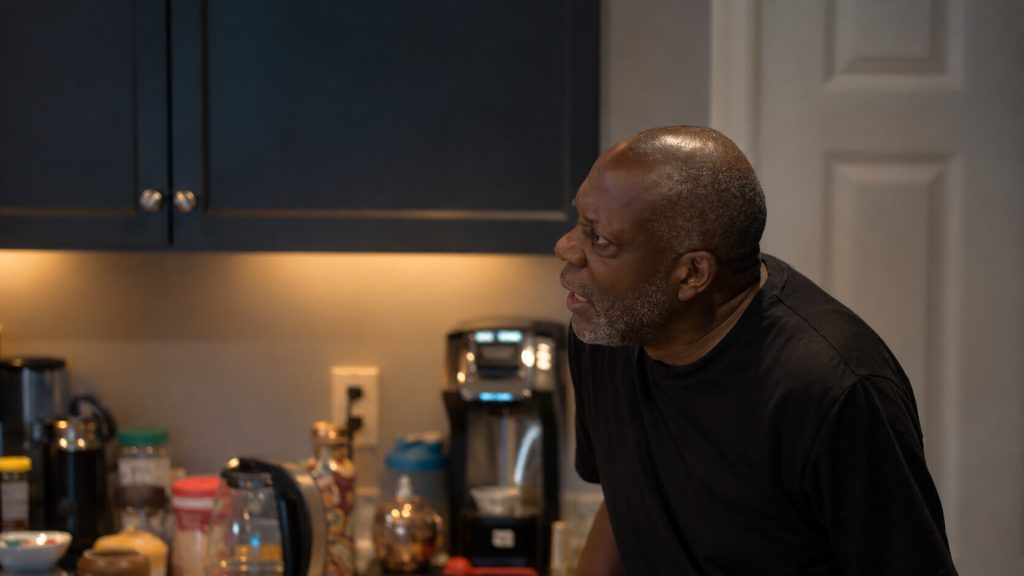
Winning Best Screenplay at the RED Movie Awards means a great deal to me, especially because I consider myself a writer first. Everything starts with the story. Before you have actors, cameras, locations, or an audience, you need an idea compelling enough to build a film around. And with URNS, I knew I was dealing with an unusual concept. It’s not necessarily the kind of story that fits neatly into one genre or gives the audience easy answers. So having the screenplay recognized tells me that the underlying idea is connecting with people. That’s important to me. As independent filmmakers, we spend a tremendous amount of time developing projects without knowing whether anyone outside our immediate circle will understand what we’re trying to accomplish. Recognition like this gives you encouragement to keep moving forward. It also means something special because URNS is a proof of concept. My intention has always been to show the story’s potential and eventually develop it into a feature- ength film. Winning Best Screenplay helps validate that ambition. I’m grateful to the RED Movie Awards for the recognition, and I’m especially appreciative of the cast and crew who helped bring the screenplay to life. But I don’t see this award as the finish line. I see it as another reason to keep going.

Victoria and Victor Musa operate a secret service that connects the living and the dead. How did you develop these characters, and what makes their relationship so important to the story?
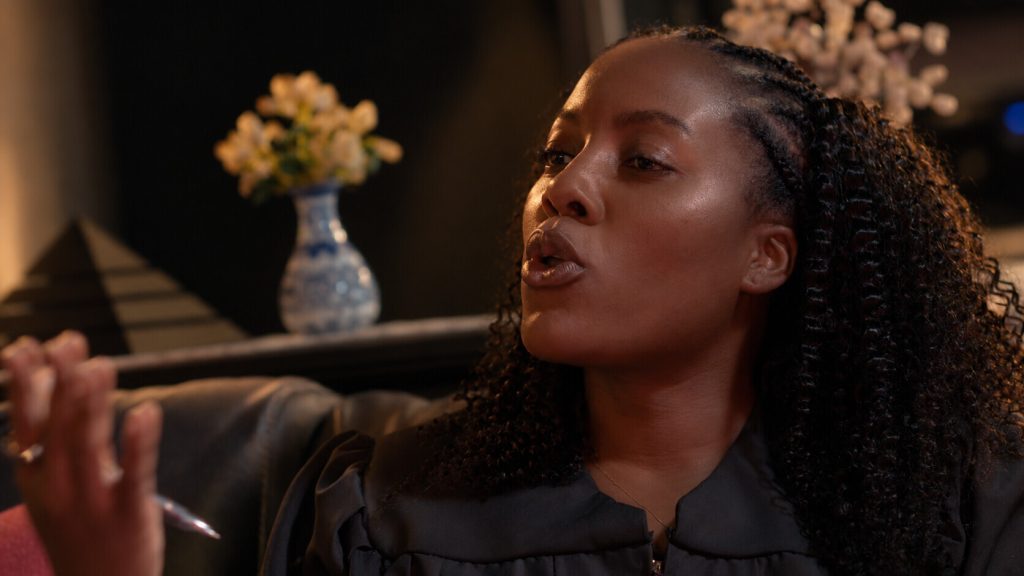
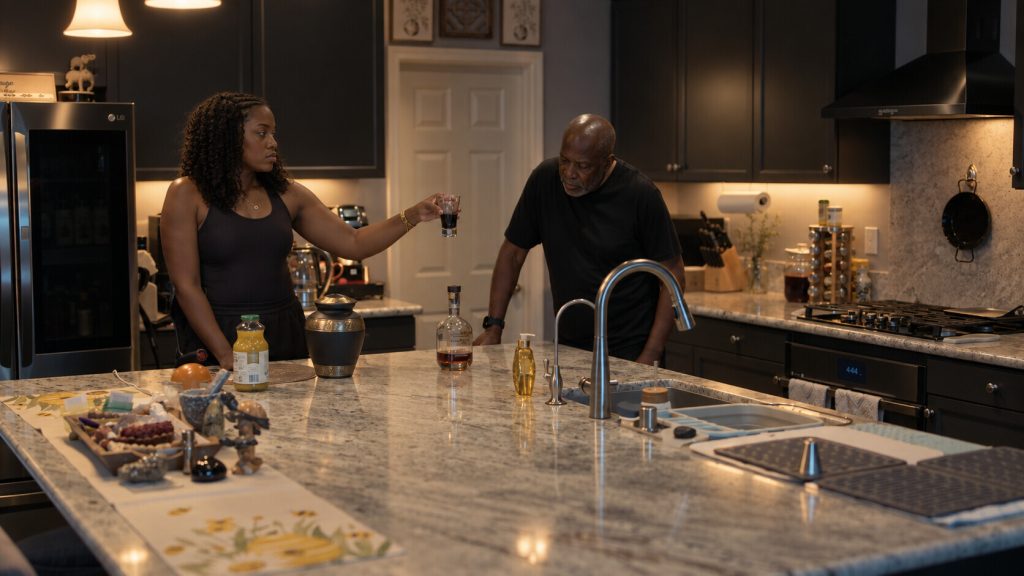
Victoria and Victor Musa really grew out of the central question behind URNS. I wanted to explore people living with physical limitations who still possessed the knowledge and ability to offer others an extraordinary opportunity. That contrast fascinated me. Here are two people whose own bodies present challenges, yet they’ve discovered a way to connect the living and the dead. In a sense, they have access to possibilities that most people cannot even imagine. But I didn’t want them to be traditional supernatural characters or simply people performing some mysterious ritual. I wanted them to be a married couple. Their relationship is important because marriage involves trust, compromise, loyalty, and shared responsibility. Now imagine adding a secret operation involving human souls and bodies to that relationship. They aren’t just managing a service. They’re managing the moral and emotional consequences of something extraordinary. And I wanted the audience to wonder whether they genuinely believe they’re helping people or whether they’ve crossed a line that human beings were never meant to cross. What’s interesting to me is that they may see themselves as providing a solution to two different forms of suffering. One person no longer wants the life they have, while another desperately wants the opportunity to experience that life. Victoria and Victor have found a way to bring those two situations together. At least, that’s how they understand what they’re doing. Their relationship gives the story its human foundation. No matter how unusual the premise becomes, we’re still watching two people try to navigate their marriage, their beliefs, and the consequences of their choices.

In your director’s statement, you describe URNS as a “what-if story.” What is the most important question you want audiences to ask themselves after watching it?
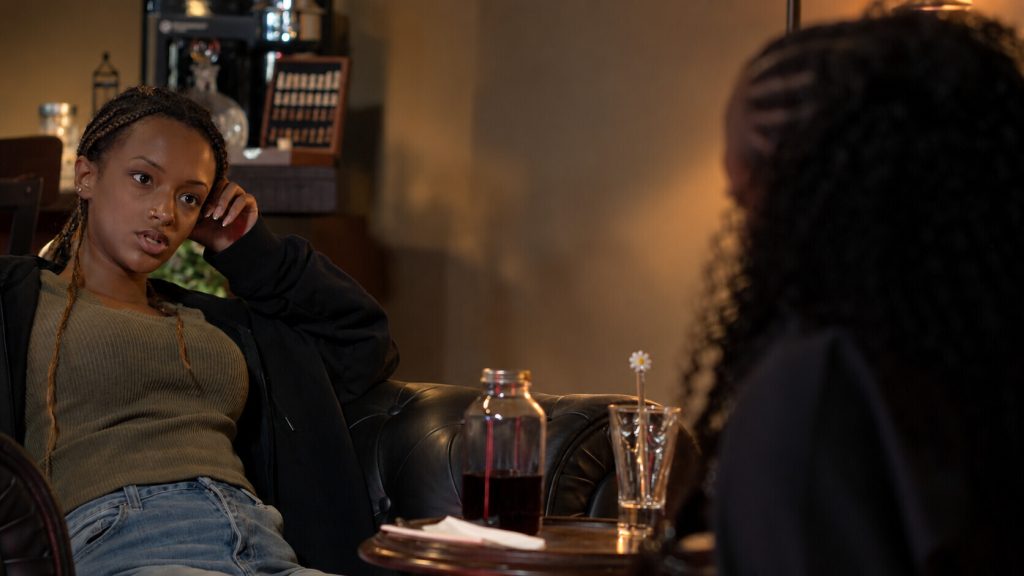
I think the most important question is: “If we had the ability to give someone a second chance at life, what would that opportunity really be worth, and who should have the right to decide?” The foundation of URNS comes from my belief that life is precious. We don’t choose the circumstances of our birth. We don’t choose our bodies, our physical abilities, or many of the challenges we’ll face. And yet those circumstances can have an enormous influence on how we experience the world. So I wanted to ask what would happen if we could change that. What if someone who felt they had no reason to continue living could voluntarily offer their body to someone who desperately wanted the chance to live? Would that be an act of compassion? Would it be a violation of something sacred? Or would it create moral consequences that neither person could fully understand? I also want audiences to think about what actually makes us who we are. Is it our body? Our memories? Our consciousness? Our soul? If your soul could inhabit another body, would you still be the same person? I don’t pretend to have all the answers. That’s part of the reason I enjoy telling these stories. I want audiences to walk away from URNS having a conversation, maybe even a disagreement, about what they’ve just seen. If people are still discussing those questions long after the movie ends, then I’ve accomplished something meaningful.[20 h 59]7. You are developing URNS as a proof of concept to help secure funding. What would you most like to explore in a feature-length version that audiences might not yet see in the initial project? The proof of concept is really just an introduction to the world I’ve imagined. With a feature-length version, I want to explore the larger mythology behind the service Victoria and Victor Musa provide. How did they discover this ability? How long have they been doing it? Are there other people involved? And what happens when something goes wrong? Those are questions that the short film can introduce but doesn’t have enough time to explore fully. I’m also interested in the psychological consequences of the exchange itself. Imagine someone entering a new body and suddenly having to navigate a life that once belonged to someone else. What happens to the relationships connected to that body? What happens when the people around you recognize your face but don’t recognize the person inside? And what happens to the individual who voluntarily gave up that body? There are so many possibilities. I also want to explore the motivations of the people seeking this service. Not everyone would be approaching Victoria and Victor for the same reasons. Some might be motivated by grief, others by desperation, guilt, or the desire for another opportunity. And those motivations could create serious moral conflicts. The feature would also let me explore Victoria and Victor’s marriage more deeply, including their personal history and the consequences of running this service. Ultimately, I want to build a supernatural psychological thriller that has the suspense and mystery audiences expect, but also something deeper beneath the surface. The goal isn’t simply to extend the runtime. It’s to expand the questions, the characters, and the emotional consequences of the world I’ve created.

Your films explore different worlds and ideas, and you have also written several novels. How does your experience as a novelist influence the way you write and direct films?
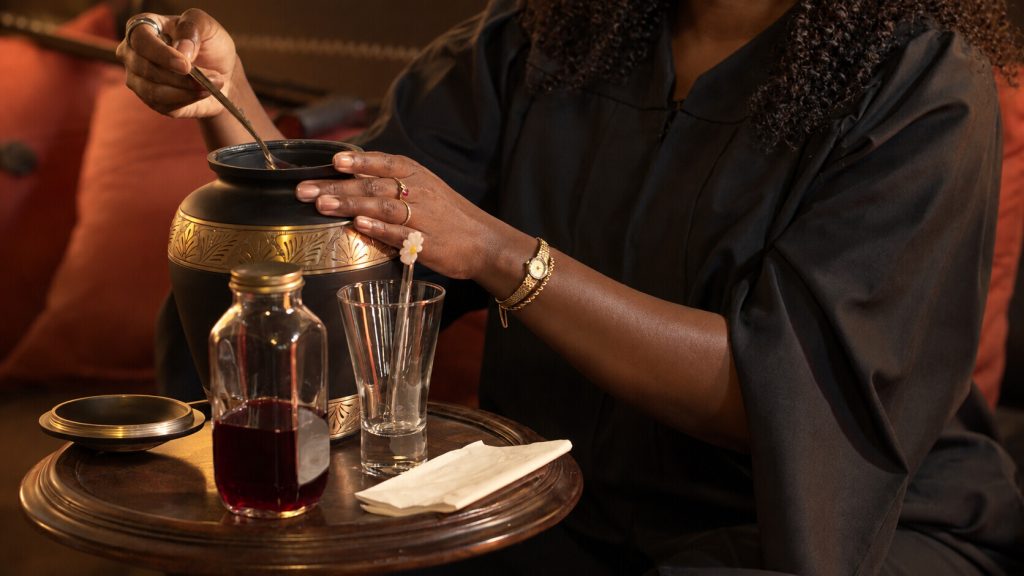
Being a novelist has had a tremendous influence on my filmmaking. When you’re writing a novel, you can explore a character’s thoughts, motivations, fears, and personal history in great detail. You can spend pages inside someone’s mind. Film is different. You have to find a way to communicate those same ideas through images, dialogue, performance, and sometimes complete silence. That transition was one of the biggest adjustments I had to make when I started writing screenplays. I had to learn that I couldn’t simply explain everything to the audience. I had to show them. But I believe my experience as a novelist gives me an advantage in developing characters and understanding the worlds they inhabit. Even when I’m directing a relatively simple scene, I’m thinking about what the character is experiencing internally. What are they afraid of? What are they hiding? What do they want that they aren’t willing to say? Those questions influence how I approach the performances, the camera, and the atmosphere of a scene. I also enjoy building layered stories. On the surface, URNS is about a mysterious service connecting the living and the dead. But underneath that, it’s about identity, suffering, compassion, mortality, and the value of existence. That’s the novelist in me. I want the story to work as entertainment, but I also want something meaningful underneath it. I think literature taught me how to explore the human mind, and filmmaking has given me a way to bring that exploration to life visually.

Do you have an anecdote to share with us in particular?
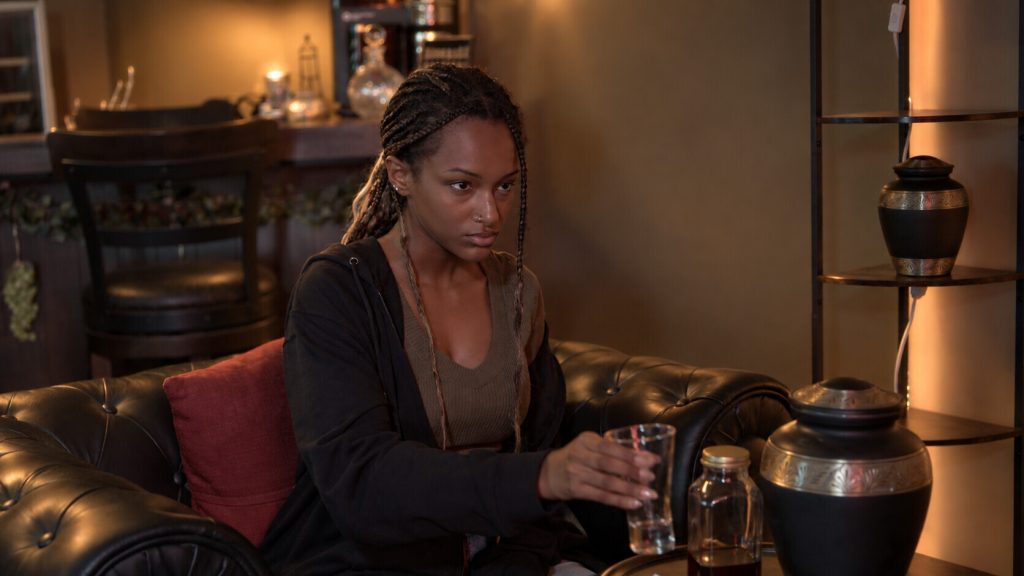
Actually, one of the most surprising things about making URNS was how smoothly the production went. Normally, when you’re making an independent film, you expect challenges. Something doesn’t work the way you planned, a scene takes longer than expected, or you spend time trying to explain exactly what you’re looking for. But URNS was different. I honestly can’t remember a major difficult moment during the shoot. The one thing that required some extra attention was getting the camera angles right for the mirror scenes. Those shots had to be carefully composed to achieve the visual effect I wanted. But beyond that, everything seemed to fall into place. This may have been the first film I’ve directed where I didn’t feel I had to explain very much to anyone. Everybody seemed to understand the material and what we were trying to accomplish. The actors came prepared. The crew understood what was needed. We’d do one or two takes, and we’d have what we needed. I was surprised by how efficiently everything moved. In fact, we finished filming a full day ahead of schedule. Anyone who has worked in independent filmmaking knows how unusual that can be. For me, it was a wonderful experience because it demonstrated what can happen when everyone involved understands the vision and comes prepared to do the work. It also reinforced something I’ve learned over the years: Good preparation and the right people can make an enormous difference. Sometimes the best production stories aren’t about everything that went wrong. Sometimes they’re about everything that went right.

What is your next project?

My immediate priority is developing URNS into a feature-length film. The proof of concept was created to demonstrate the story’s potential, and the recognition it’s receiving is helping us move toward the next stage. I’m looking to build the relationships and secure the financing necessary to bring the full vision to the screen. At the same time, I’m continuing to develop other projects through Woodson’s World Studios. One of those projects is A Clean Past, which also explores the intersection of psychology and spirituality, particularly the choices people make, the consequences of those choices, and the possibility of redemption. I’m also preparing my novel The Model, The Mannequin, and Me for publication, while continuing to develop other literary properties that I believe have strong potential for film and television adaptations. What connects all these projects is my interest in the human condition. I’m fascinated by what happens when ordinary people encounter extraordinary circumstances, especially situations that force them to confront their beliefs, their fears, and their understanding of themselves. My long-term goal is to continue building Woodson’s World Studios into a creative home for stories that are entertaining, emotionally engaging, and thought-provoking. I want to create films that audiences remember, not simply because of what happened on screen, but because of what those stories made them think about afterward. That’s what I mean when I describe myself as a spiritual and psychological storyteller. At Woodson’s World Studios, our philosophy is simple: Stories where psychology meets spirituality, and where the greatest journey is often the one happening inside us.