
THE INTERVIEW
June, 2026
CARLO FUMO
THE BORDER
Carlo, tell us a bit more about yourself. Where does your desire to be a director come from?
It all stems from a love of writing that goes back to my childhood. I shot my first short film at 16 with school friends. I started early — at 11, I was already publishing a small newspaper for my hometown in the province of Salerno. Writing was my true passion, and cinema gave me the perfect way to bring that together: turning stories into something alive on screen. But the deepest motivation behind my work as a director is the immense responsibility of telling stories that move people. I am fortunate enough to have this gift — the ability to make others feel something through my creativity. There is nothing more beautiful in life than that.
What is your background? What were your references for THE BORDER?
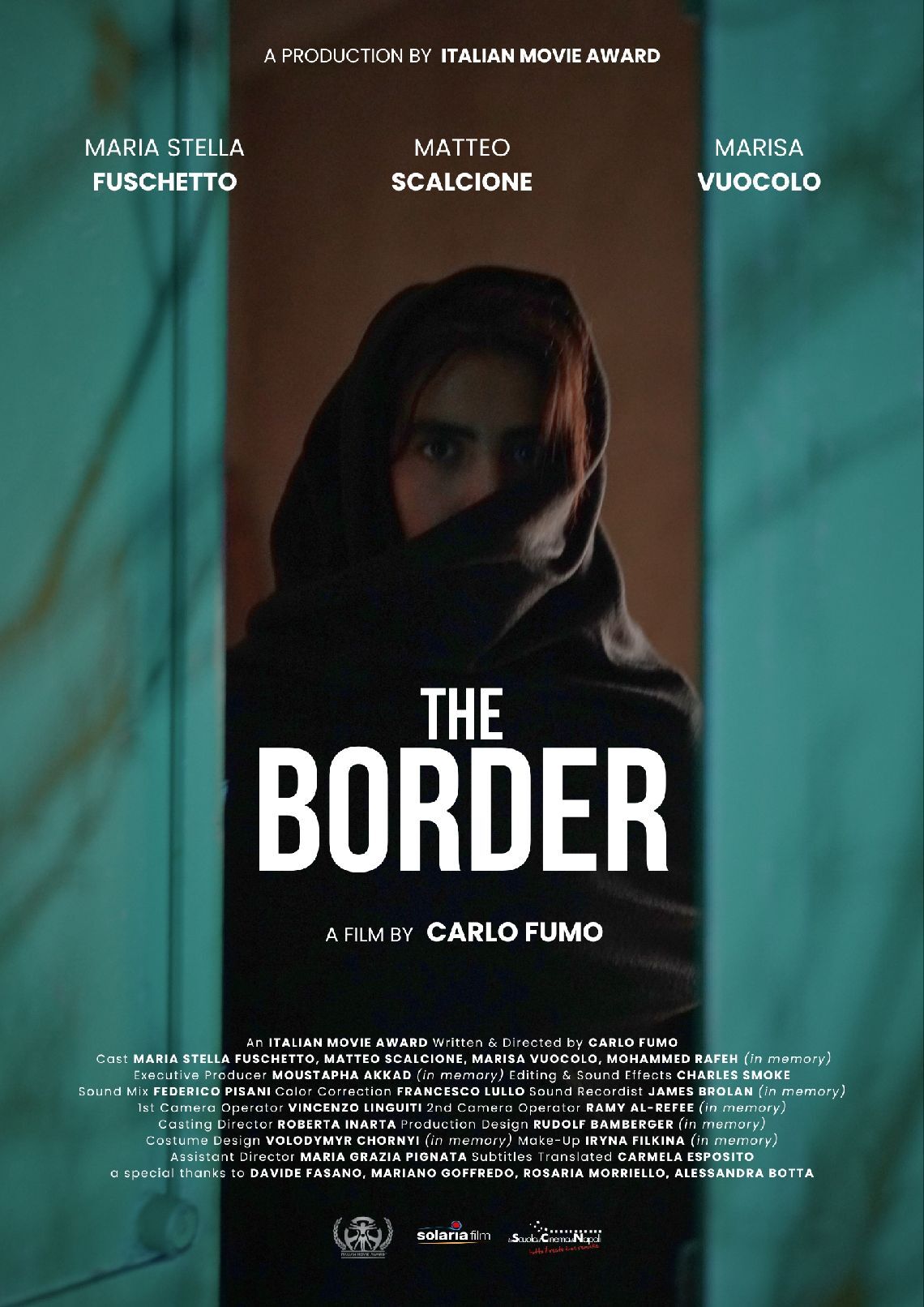
As I mentioned, I started very young, entirely self-taught. Later, I earned a Bachelor’s degree in Communication Sciences with a focus on Cinema and Television, followed by a Master’s degree in Digital Communication and Marketing. The Border was born from a journey I took to Kosovo, to the city of Padujevo, in 2009. I was serving as jury president at a film festival, and right there, near the border with Serbia, you could still feel the tragedy of the war in the air. The story of The Border stayed locked in a drawer for many years — until this year, when I decided it was time to bring it out. Sadly, it remains a painfully relevant subject.
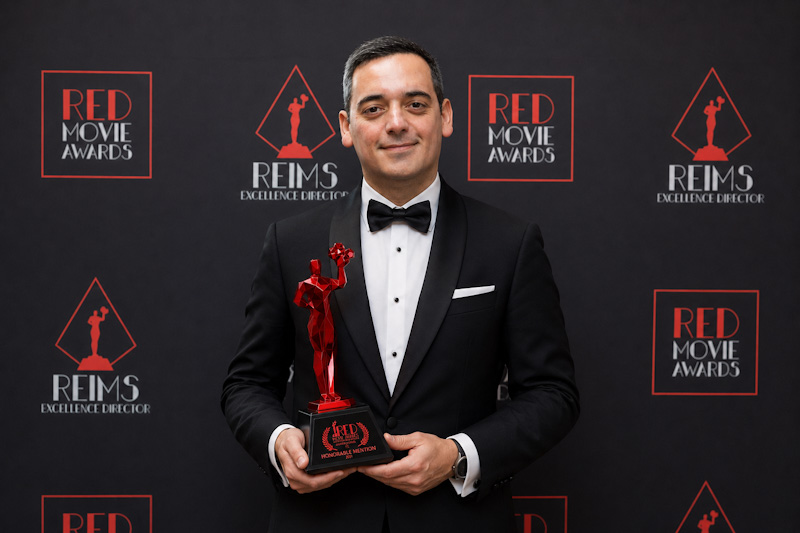
Debby Gerber won an Honorable Mention at the RED Movie Awards. What does that mean to you?
I am truly moved and deeply honoured to receive this prestigious recognition at the RED Movie Awards. I cannot wait to be present in Reims, France, for the awards ceremony in May 2027. This recognition celebrates our work — my magnificent crew and the young actors who gave such masterful performances in roles that were far from easy. I dedicate this award to every single one of them.
We could not have hoped for a better start to our festival journey with this film. We submitted The Border to approximately 500 festivals across more than 48 countries worldwide, and just one month after its launch we have already received 10 recognitions. I am very confident about the future of this project.
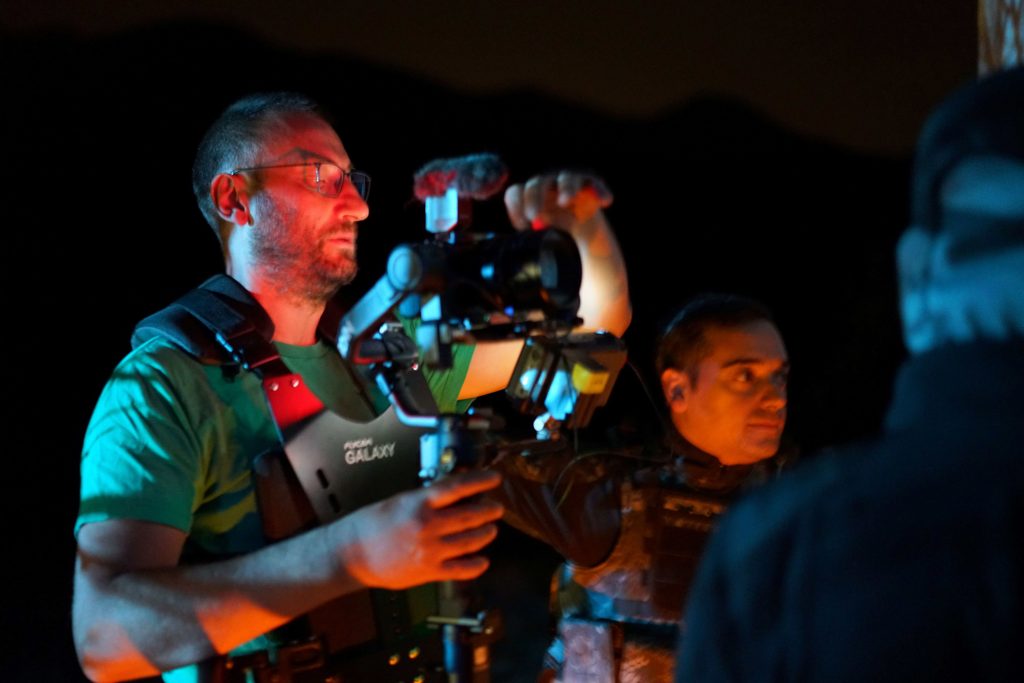
One of the most distinctive elements of the film is the invented sign language. How was this concept developed?
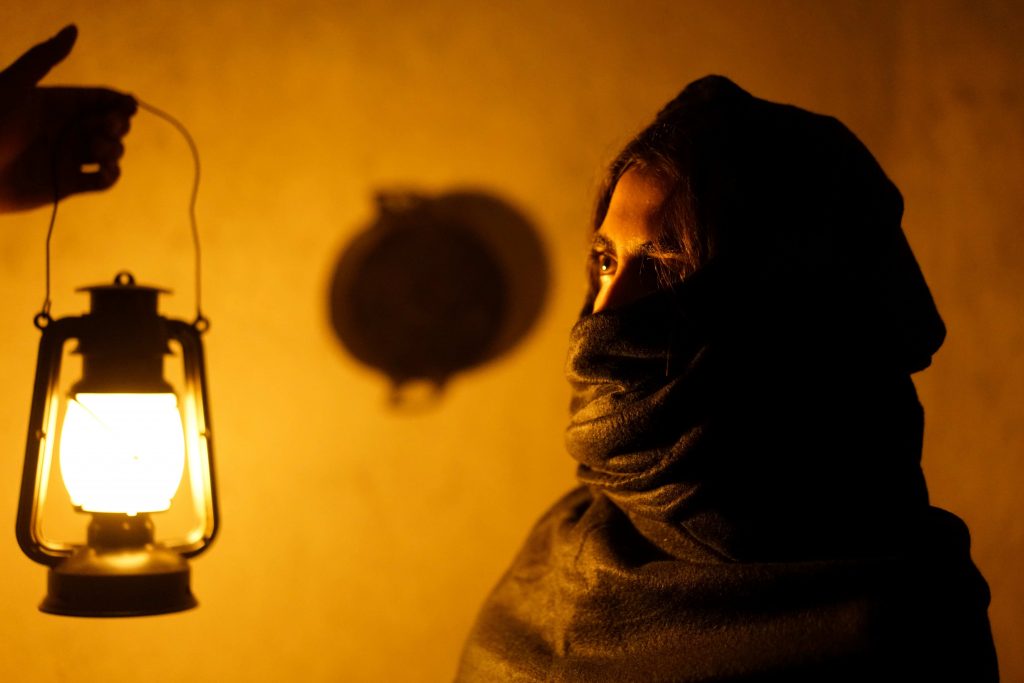
It came from the need to make the film as universal as possible. Had we used an existing sign language, it would have been easy to identify where the characters came from — and that was precisely what I wanted to avoid. These two young people could be the children of any one of us, from anywhere in the world. Every war in the world is also our war. We are all responsible for living in a world where borders, conflicts and destruction still exist. The Border is a universal warning to all of us — a call to summon the courage to say enough, to fight for freedom by breaking down every border, which is ultimately nothing more than a mental limitation of the human being. In 2026, this should be inconceivable.
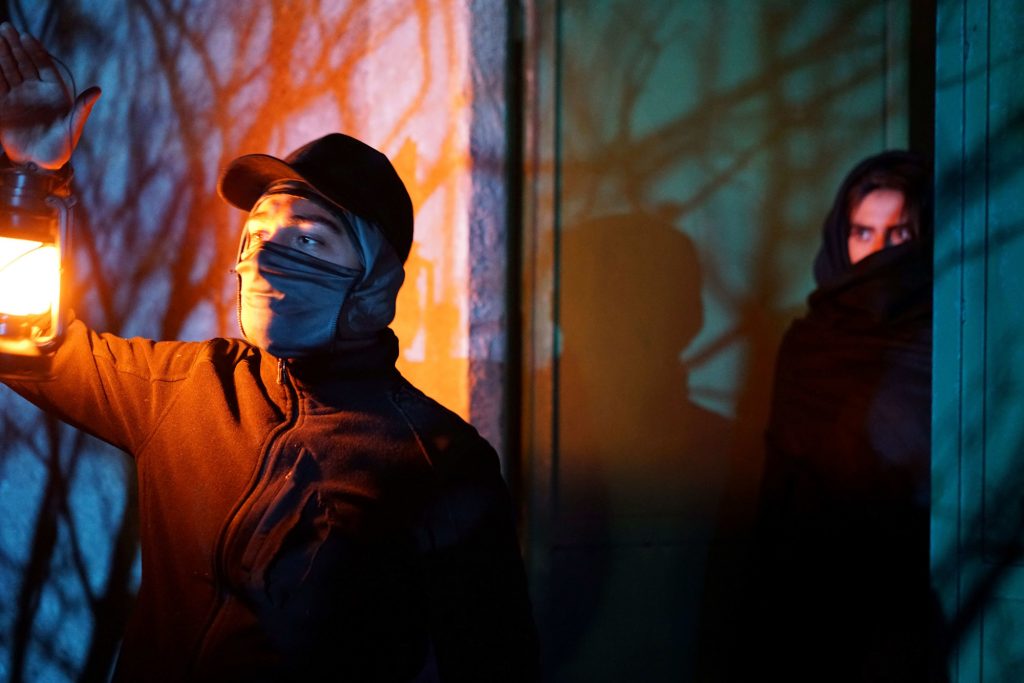
War is never shown directly on screen. Why did you make that artistic choice?
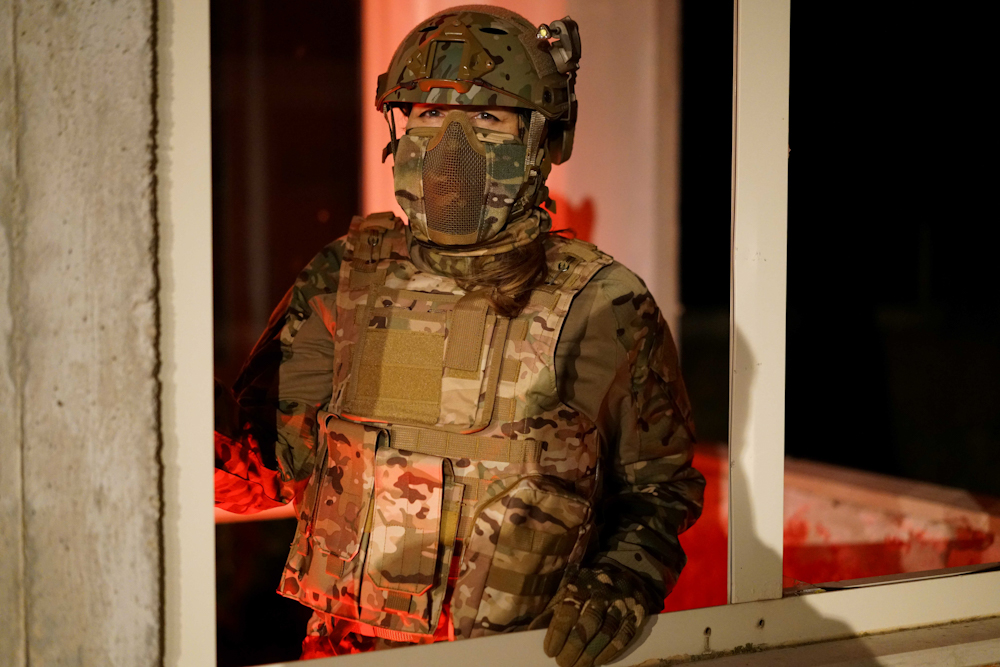
Again, this was a deliberate decision — I did not want to show soldiers, weapons or military vehicles, precisely to avoid anchoring the story to any specific place, and to keep the narrative message as universal as possible. Maintaining that balance was not easy, but we paid close attention to every single detail. Only by doing so could we make the audience truly feel like the father or mother of those two young people — and of the tragedy we witness throughout the film.
The film relies heavily on sound design. How important was sound in shaping the narrative?
I am very glad you asked this question. Sound was absolutely fundamental to The Border. We worked through the night — I remember going out to record every tiny sound, every noise, every effect myself. The audience must feel as though they are inside a war zone without ever seeing it. The characters do not speak, yet it is precisely the viewer who becomes the true protagonist of each scene, carried there entirely by the emotions that the sound design conveys.
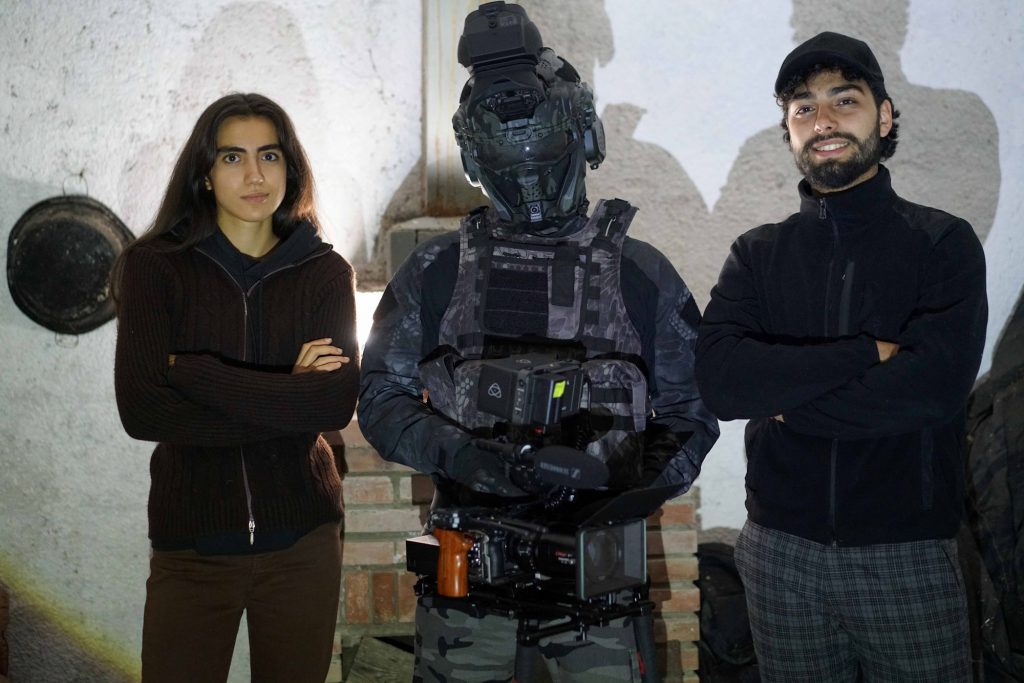
The end credits pay tribute to filmmakers and artists who lost their lives in wars. Why was this important to you?
I am glad you noticed that detail — you were very attentive. Several members of my crew, myself included, covered multiple roles on this film. We shot for a week, at night, on a mountain at 1,500 metres above sea level, in far from easy conditions, and we deliberately kept the number of people on set to the absolute minimum. In the end, I decided not to list the crew members’ names two or three times across different roles. Instead, I chose to dedicate those credits to artists and technicians who lost their lives in wars — because this film is, above all, dedicated to them.
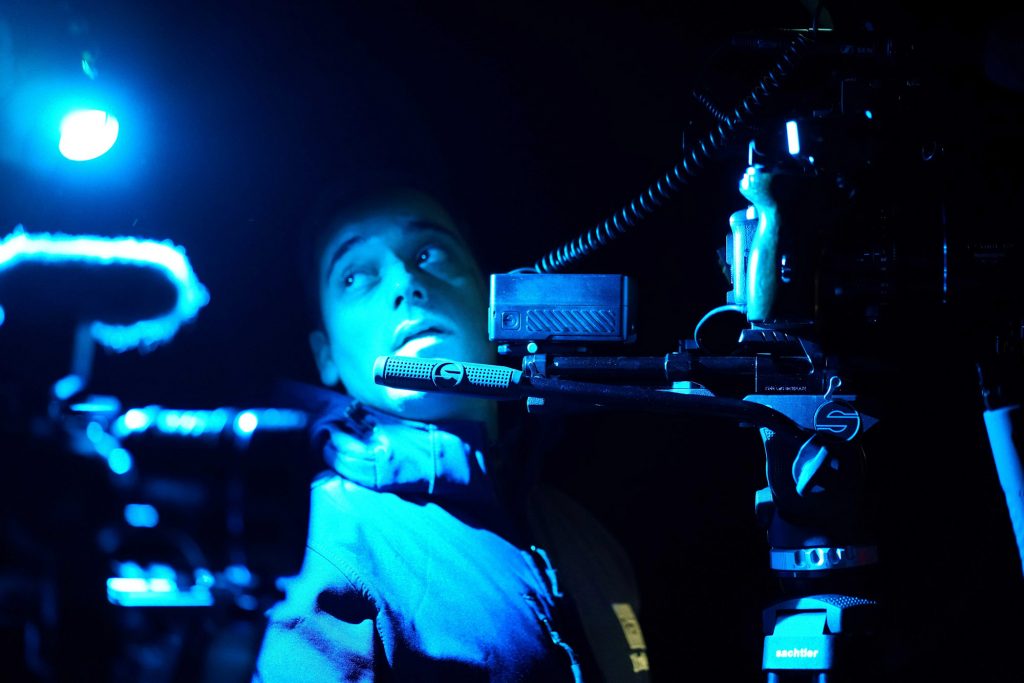
What is your next project?
Going back to the subject of sound — I can reveal that The Border was shot entirely without audio. Every sound, effect and ambient noise you hear was created entirely in post-production, down to the simple rustle of clothing. It was a genuinely thrilling experience from a technical standpoint.
As for the invented sign language, allow me to pay my sincere compliments to our two very young actors, Maria Stella Fuschetto and Matteo Scalcione, who were able to invent and coordinate a different hand movement for every single word. That was no small feat.
Looking ahead, I have four television programmes to direct for Italian national television — RAI — over the coming months, through to the end of 2026. After that, following many years in television, I will be taking a step back, because in 2027 I will be shooting my feature film, AUREA, alongside a major Italian actor. It is a beautiful road-trip story set across Italy, France and Spain — the story of a father who cannot let his daughter go, with a third character woven into the journey: Artificial Intelligence. This is a project I have been developing for six years, and we are finally ready to bring it to life. You will see it in cinemas in 2028.