THE INTERVIEW

October, 2026

JAX AZAD

DIRECTORS OF MR. SANDMAN’S FUNHOUSE

BEST FANTASY
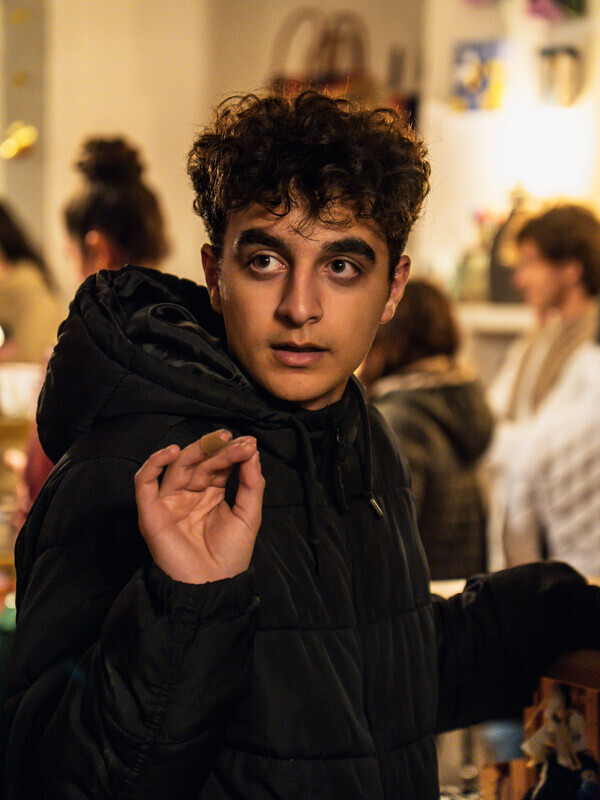
Jax, tell us a bit more about yourself. Where does your desire to be a director come from?
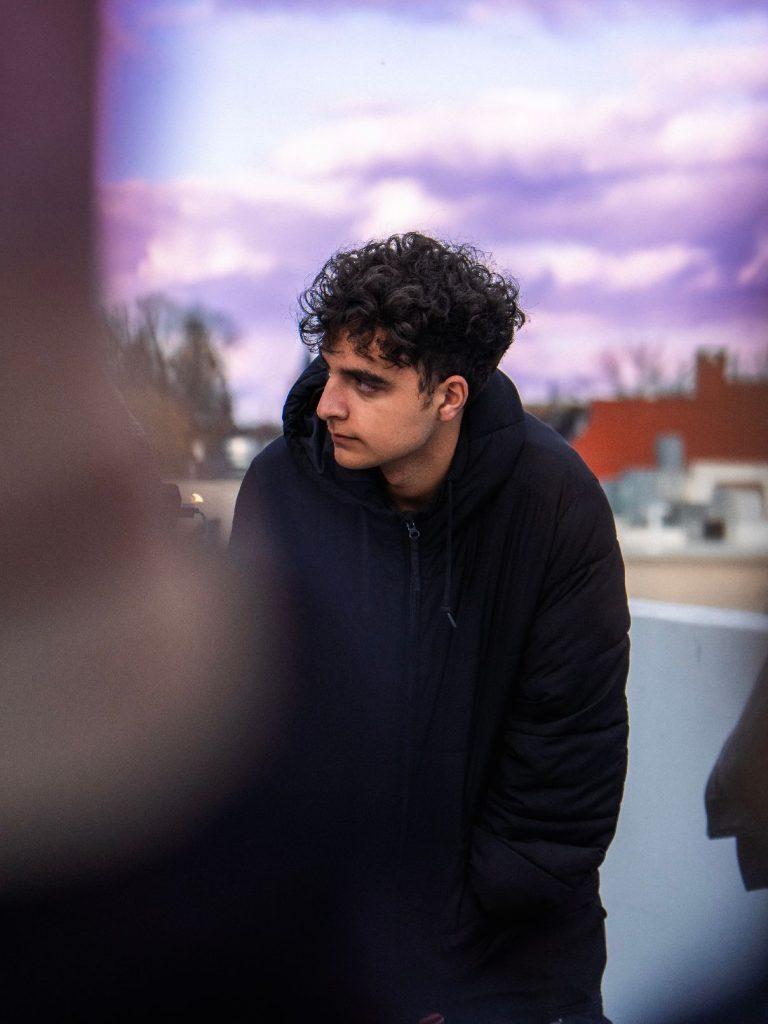
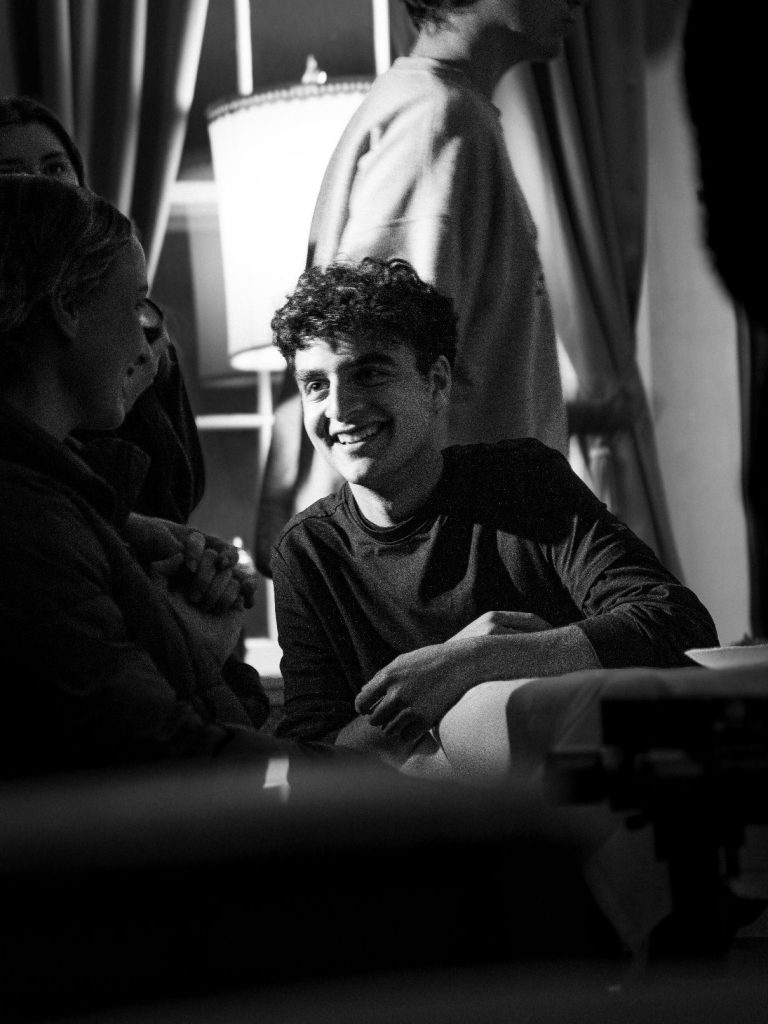
I’ve always loved movies and the idea of telling stories through film. For me, directing really comes from wanting to take an idea I have in my head and actually bring it to life. What I love most about directing is that I get to be involved in so many different parts of the process. I love working with actors, figuring out how a scene should look and feel, and seeing how things like the music, cinematography, and editing all come together. But I also really love working with other people. Everyone brings their own ideas to a film, and sometimes those ideas can make the final result even better than what I originally imagined. In the future, I’d love to direct feature films and TV shows and eventually have my own production company. I just want to keep making films, getting better at it, and telling stories that people can connect with and remember.

What is your background?

My background is mainly in directing and filmmaking. Growing up, I was always kind of known as the “film kid.” I was constantly talking about movies, coming up with ideas, and wanting to make something of my own. The problem was that my high school didn’t really have film classes where I could get hands-on experience with actual cameras, lighting, or filmmaking equipment. Because I didn’t have access to a lot of those resources, I actually started out in animation. It was something I could create on my own without needing a full crew or a bunch of equipment, and that eventually led me to starting Azads Studios. Through that, I was able to teach myself a lot about storytelling, editing, directing, and just the overall process of taking an idea and turning it into something people could watch. Things really started to change when I came to George Mason University to study Film and Media. For the first time, I had access to actual film equipment and was surrounded by other people who wanted to make movies just as much as I did. I made my first live-action short film with a bunch of friends in college, and that was really where everything started to click for me. Since then, I’ve continued directing and taking on bigger projects, but I think starting with animation and having to create with whatever resources I had really shaped the filmmaker I am today. I learned pretty early on that you don’t necessarily have to wait until you have everything. You just have to find a way to start creating.

What were your references for Mr. Sandman’s Funhouse?
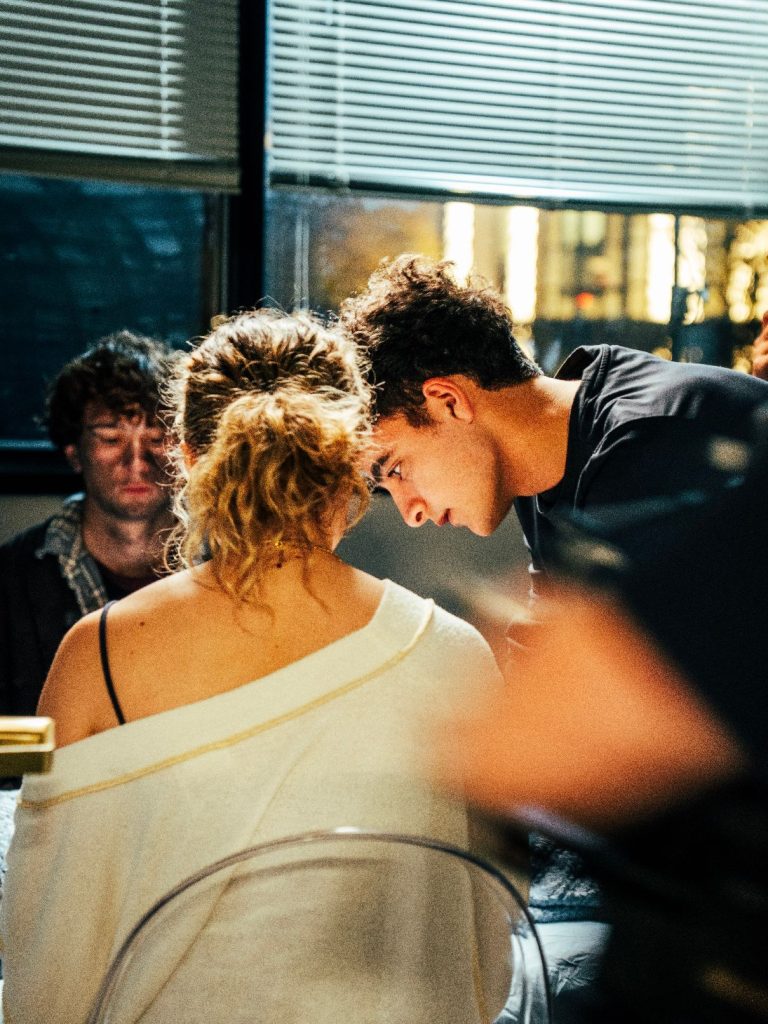
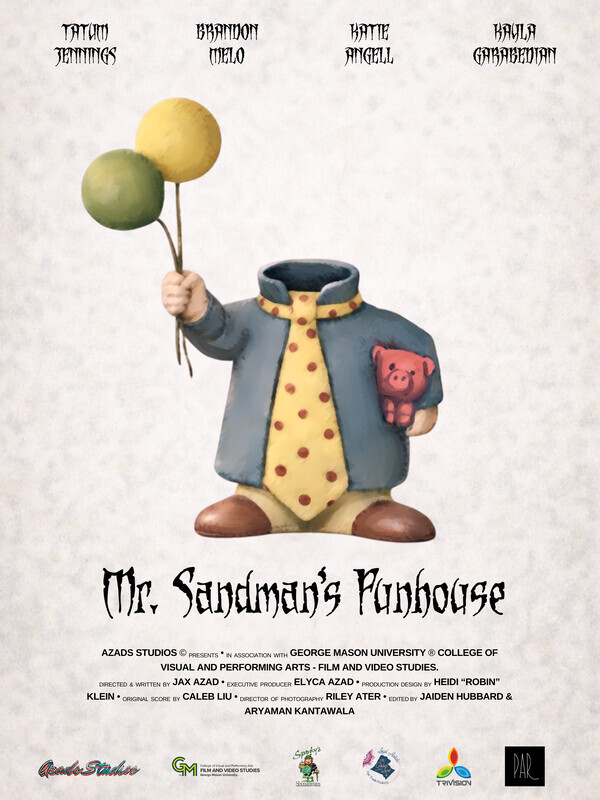
The two biggest influences on Mr. Sandman’s Funhouse were Pan’s Labyrinth and Eternal Sunshine of the Spotless Mind. With Pan’s Labyrinth, I was really inspired by the way fantasy is used to explore something much deeper emotionally. There’s this balance between beauty, wonder, and darkness, and that was something I wanted to have as well. I wanted it to feel like you were entering this completely different world, but one where everything still had a meaning behind it. Eternal Sunshine was a huge influence on the more emotional and psychological side of the film. I love how that movie takes something happening internally, like memories, emotions, and relationships, and turns it into something we can actually experience visually. That idea was really important to me with this film, because the world my crew & I were able to make is almost a reflection of what the characters are going through internally.

You won Best Fantasy at the RED Movie Awards, what does that mean to you?
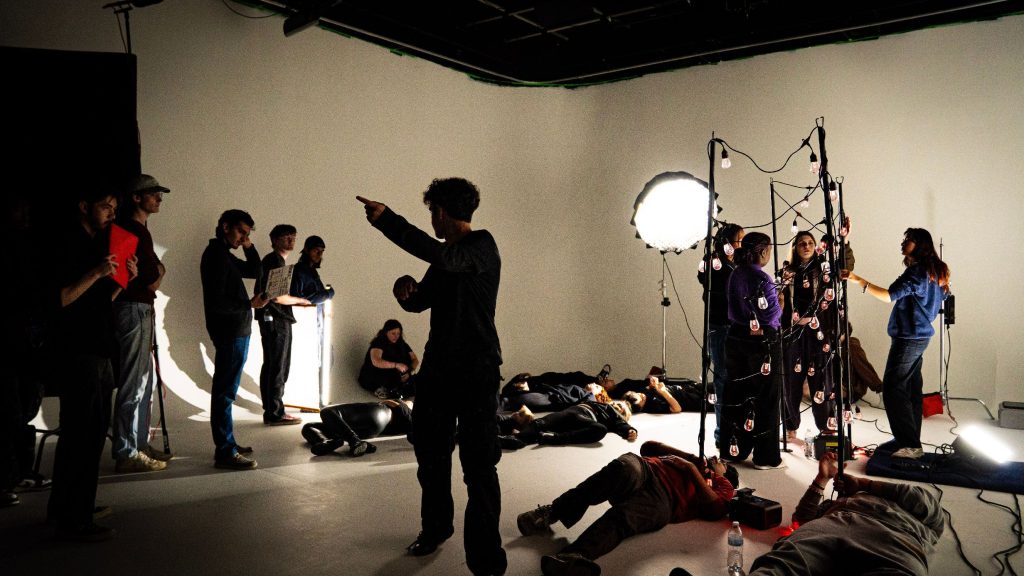
It means the world to me. What makes it even more special is that this film was created entirely by students. Everyone involved was learning, experimenting, and bringing their own creativity to the project. We didn’t have the resources of a professional production, but we really pushed ourselves with what we had. Seeing that work recognized on this level is an incredible feeling. I’m extremely proud of everyone who helped bring the film to life. To me, this award really represents what we were able to accomplish together as student filmmakers.

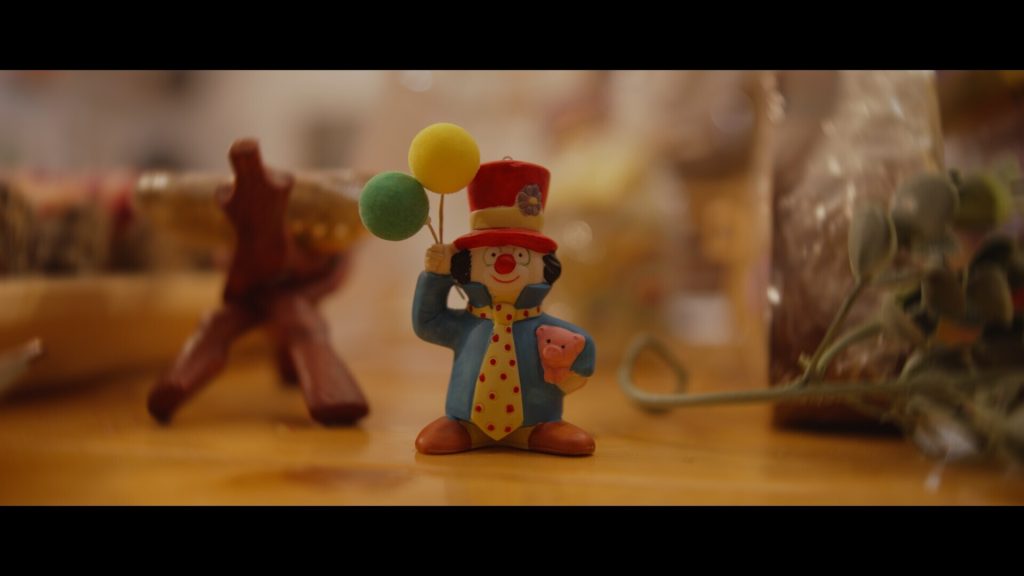
The clown toy is at the center of the story. What does this toy represent to you personally?

The clown toy irepresents time and how easily we can take the moments we have with people for granted. I made this film for my great-grandmother, who was the first person in my family I ever experienced losing. After her death, I started thinking a lot more about how limited our time really is. That experience became a huge part of why I wanted to tell this story. In a way, the clown became a physical reminder of that idea. Throughout the film, the clown is this key into the characters’ memories, fears, and ultimately their own minds. To me, it represents the things we hold onto, whether that’s a memory, a fear, or someone we’ve lost. You can’t go back and change the time you had with someone, but you can change how you value the time you still have. I hope the clown leaves people with that same reminder to appreciate even the smallest moments with the people they love.

The film moves between the present, a vibrant vintage past, and a stark black-and-white world. Why did you choose these different visual worlds?
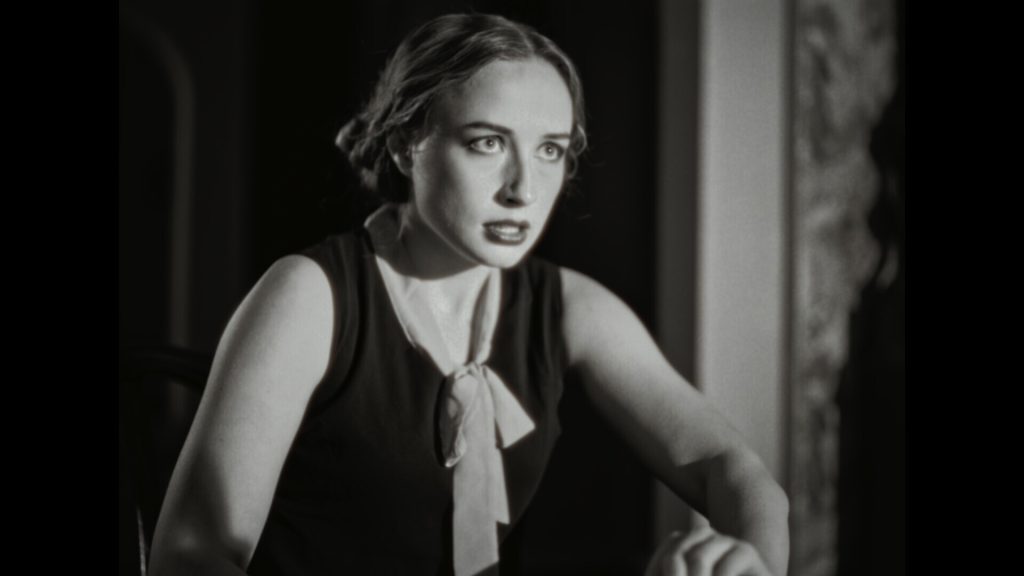
I wanted each visual world to reflect where Carmen is emotionally, not just show a different point in time. The present feels grounded, while the past is much more vibrant because we’re seeing those memories through the way she holds onto them. As Carmen is forced to confront more of her grief and fear, the color begins to disappear until we eventually enter this stark black-and-white world. I always described it as the colors being pushed so far that they eventually “implode,” leaving us in a place where fear lives in the shadows. The idea was to let the visuals change with Carmen, so the audience isn’t just watching what she’s going through, but hopefully feeling it with her.

How did you approach using sound and atmosphere to make the audience feel Carmen’s fears rather than simply explain them?
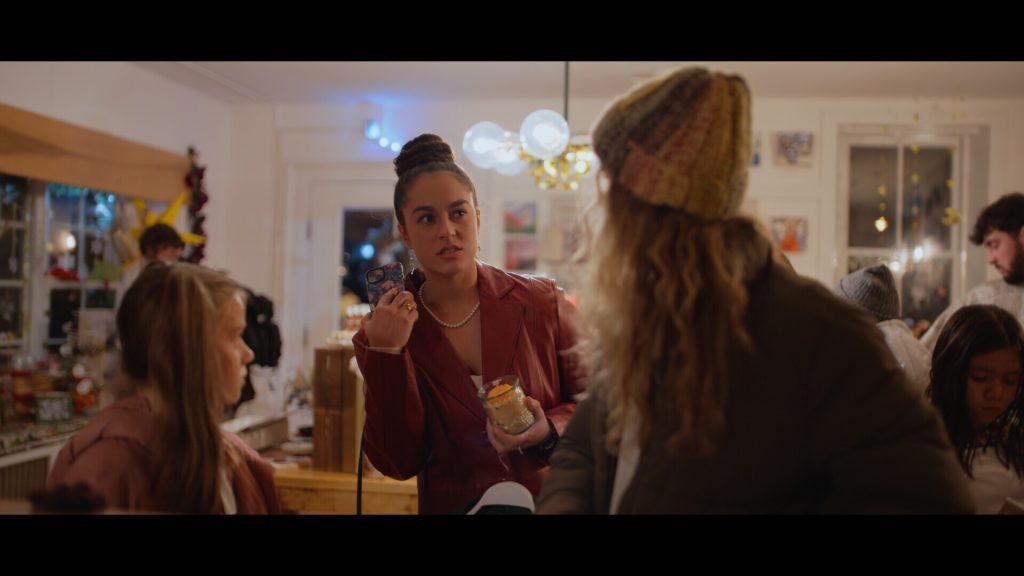
Sound was really important to me because I didn’t want Carmen to have to explain everything she was feeling. I wanted the audience to almost experience her fear with her, so we used sound to make certain moments feel overwhelming, uncomfortable, or even disorienting. As her emotions become more intense, the atmosphere around her starts to feel less natural and more like we’re entering her mind. Silence was just as important too, because sometimes taking sound away can make a moment feel even more vulnerable. The goal was for the audience to understand Carmen’s fear emotionally before they necessarily understood it through the story.

At the end, the toy is passed on to Billy and its meaning seems to change from fear to acceptance. What does that final moment mean to you?

That final moment is really about acceptance and the idea that fear doesn’t have to stay fear forever. Throughout the film, the clown carries so much emotional weight, but when Trevor gives it to Billy, it takes on a completely different meaning. It’s almost like something that once represented pain and fear can now become something innocent again. To me, Trevor passing it on represents letting go of what has been holding you back without erasing what you went through. The clown is still the same object, but what it means has changed, and I think that’s ultimately what healing is.

Do you have an anecdote to share with us in particular?
One story that always sticks with me is how we made the film in the first place. Mr. Sandman’s Funhouse was created entirely by a group of 45 students from George Mason University, with a budget of only $5,000. There were definitely moments where what I had written felt much bigger than what we realistically had the resources to pull off. But instead of cutting those ideas, we kept finding creative ways around the limitations. Everyone was learning, problem-solving, and pushing each other throughout the process. I think that became part of the spirit of the film, because we were basically proving to ourselves how much we could create with very little.

What is your next project?

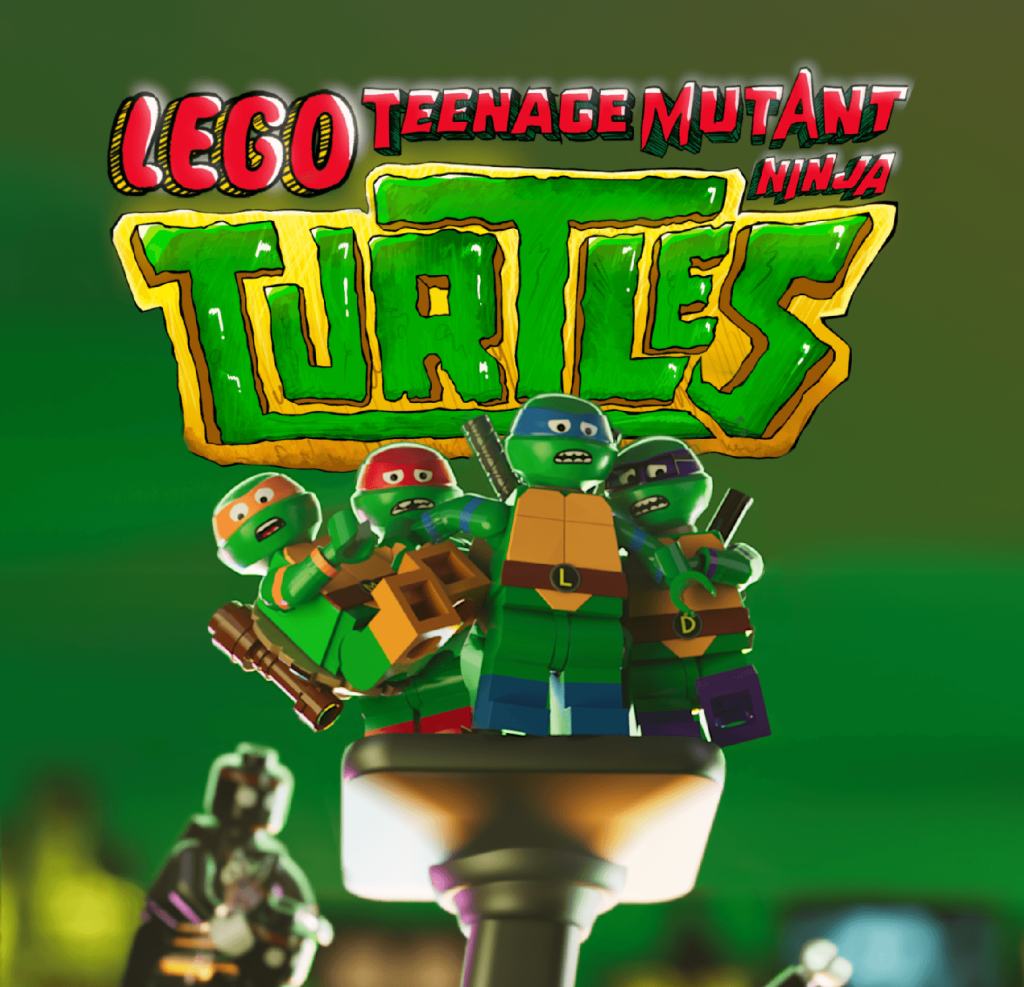
My next project is my LEGO TMNT (Fan-Film), which is really exciting because it’s my first attempt at making a feature film, and an animated feature at that. It’s being made through my production company, Azads Studios, and we currently have 56 artists from all around the world working together to bring it to life as we speak. It’s easily the biggest project I’ve taken on so far, and it’s been incredible seeing something that started as an idea since age 16, grow into a production involving artists across the world. You can check out our released videos here: LEGO TMNT (Fan-Film) After that, my next live-action project will be my senior thesis film My Friend Donnie. That project brings me back to live-action directing and gives me the opportunity to take everything I’ve learned from Mr. Sandman’s Funhouse and the projects since then into something new. I think what excites me most is how different these two films are from each other. One is this massive animated feature being created internationally, while the other is a much more personal live-action project. I’m really excited to see where both of them take me next as a director.