THE INTERVIEW

November, 2026

KAPIL RIJAL

DIRECTOR OF GAUTHALI

BEST DIRECTOR
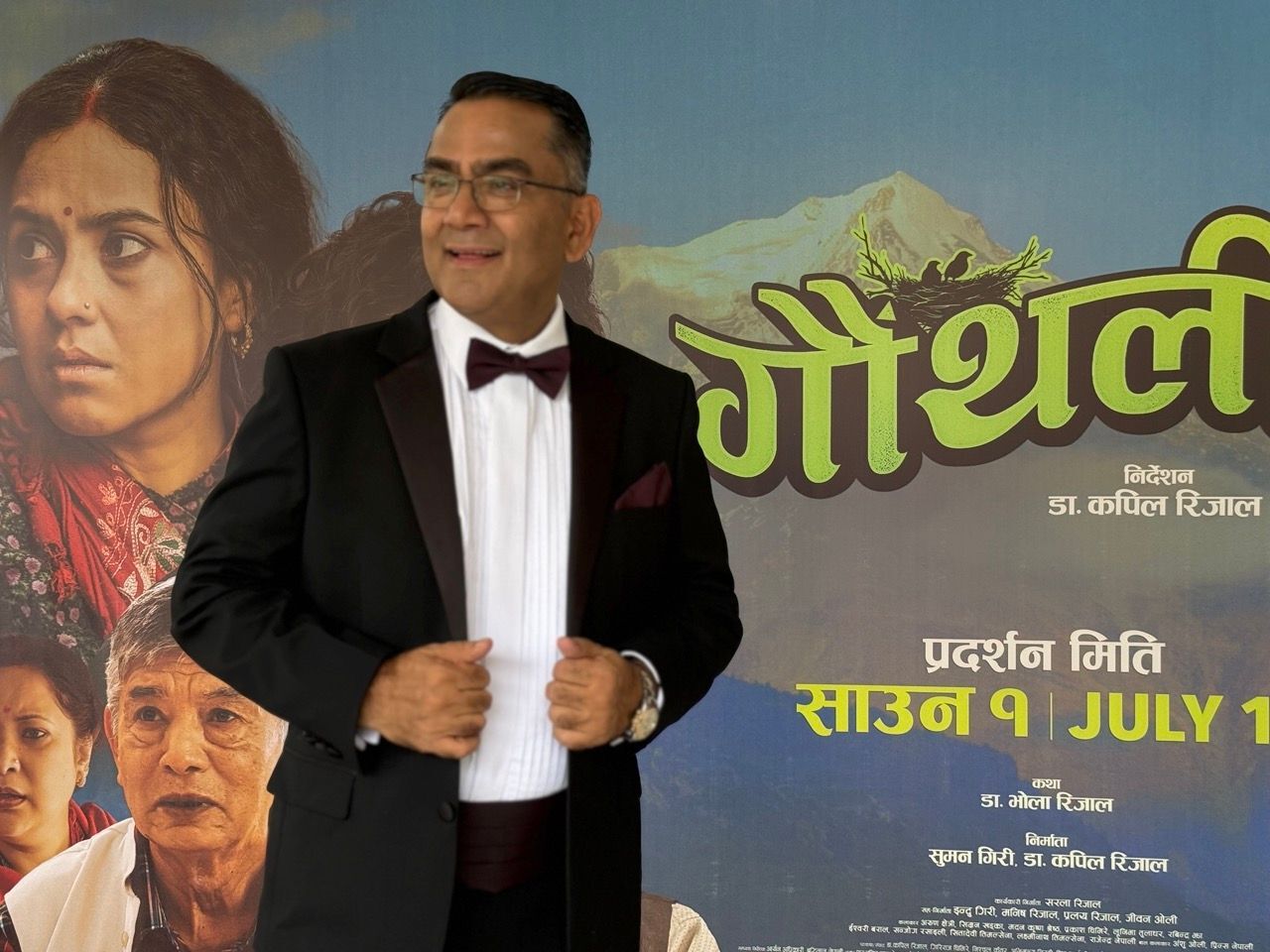
Kapil, tell us a bit more about yourself. Where does your desire to be a director come from?

I am a Nepalese-British filmmaker, writer and producer and a dental surgeon specialising in implantology. I have practised dentistry for more than thirty years, but my love of storytelling started long before that. As a schoolboy and college student in Nepal, I was always writing, acting in and directing plays. Dentistry became my profession, but the storyteller in me never went away. I made my first short film while I was still a dental student, and in the UK I kept learning through film- Direction training, music videos and short films. For me, cinema is a way of saying something that matters. I am drawn to stories about society, about relationships, and about the quiet struggles people carry. With Gauthali, I wanted to tell a story that is deeply Nepali, but one that could touch anyone, anywhere in the world.
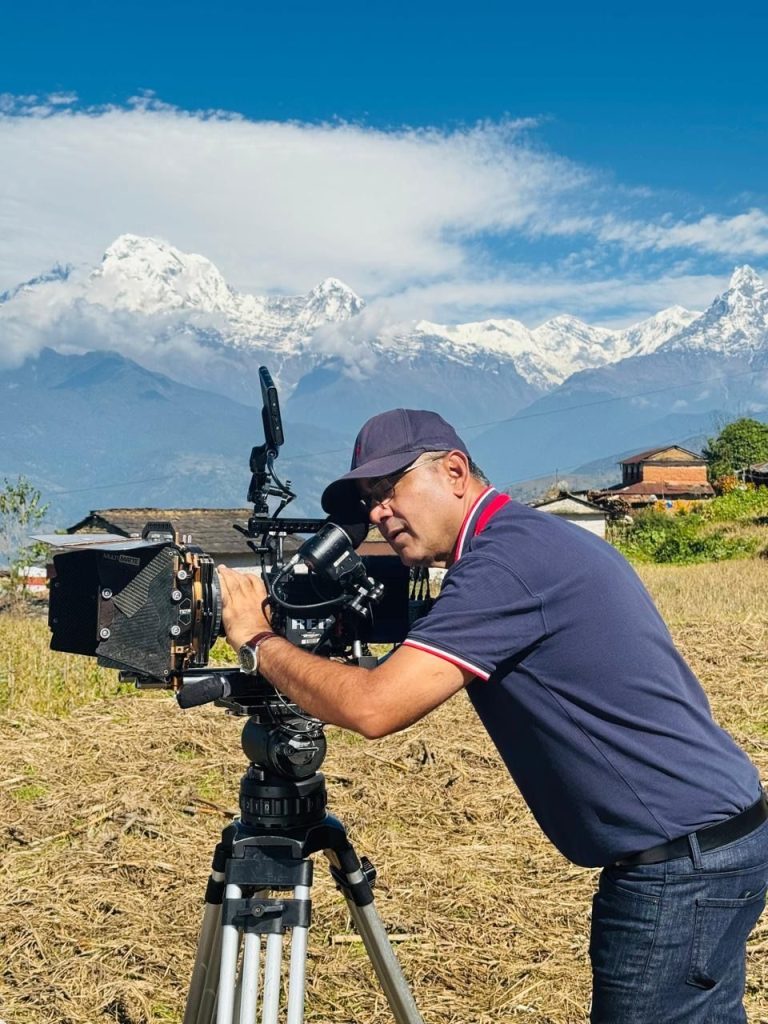
What is your background?
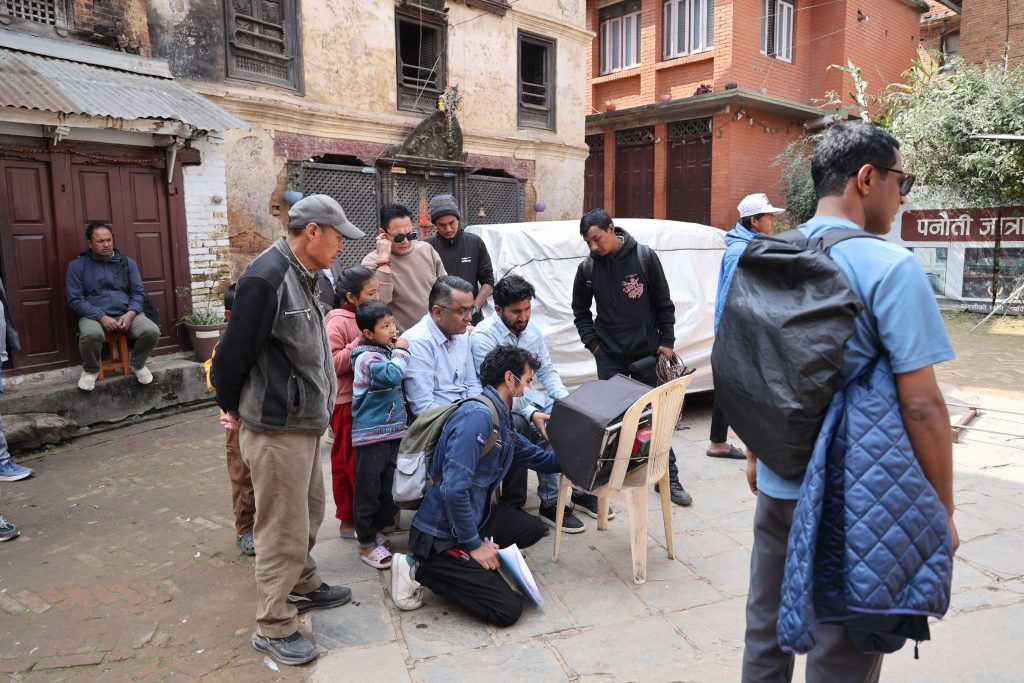
I was born and educated in Nepal, and I built my professional life in the United Kingdom, where I have now lived for more than three decades. But I have never really left Nepal behind. Its people, its culture and its challenges are still very much part of who I am. Alongside my clinical work, I have been involved in humanitarian projects, health camps and education initiatives back home. After the 2015 earthquake, I helped bring together a team of 21 volunteers from the UK to support affected communities, and I have since supported school reconstruction and projects that give children better access to education. All of this has shaped how I see the world and how I make films. I believe a story can entertain us and, at the same time, open our eyes to lives very different from our own.

What were your references for Gauthali?
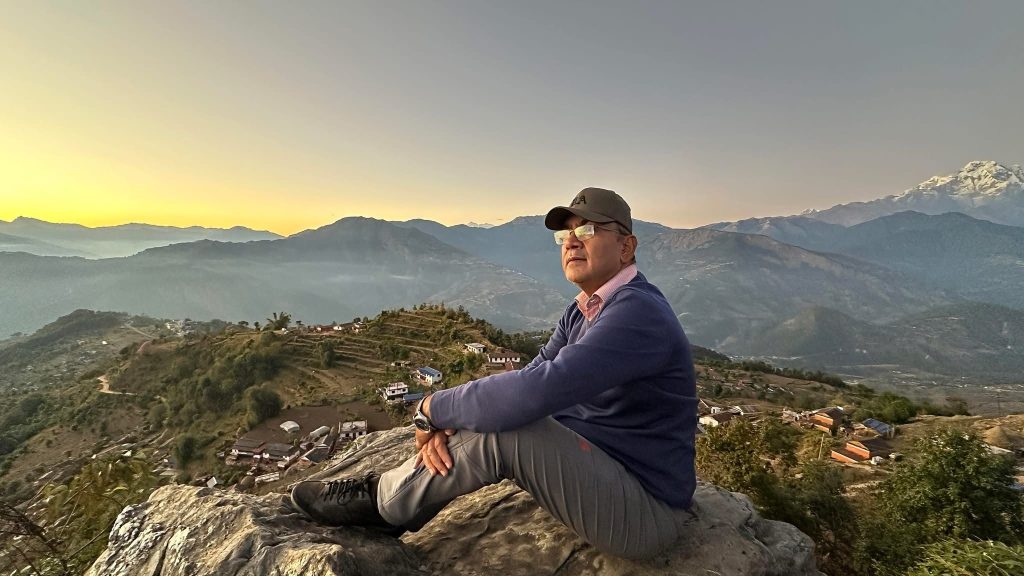
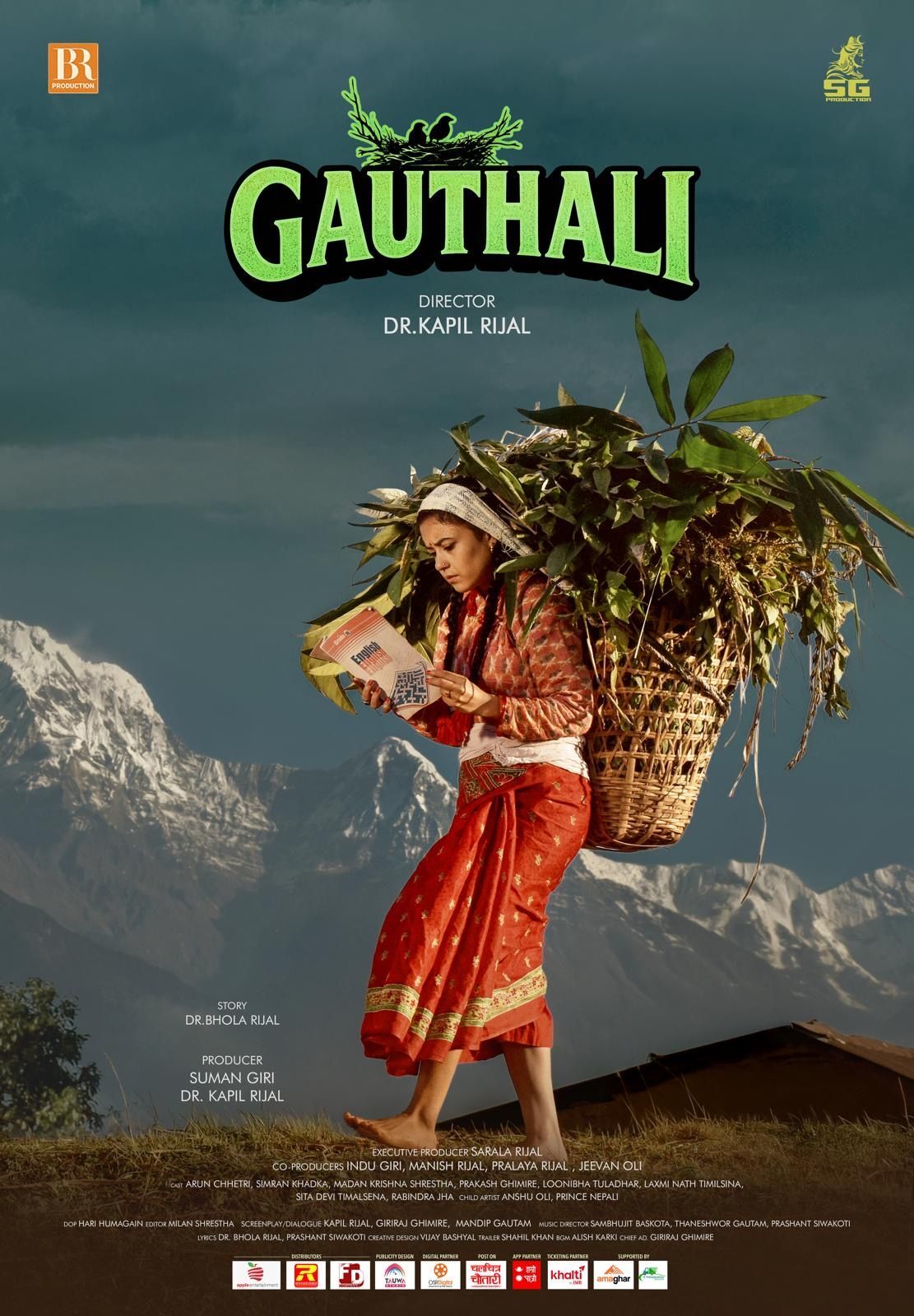
My biggest inspiration was rural Nepal itself, its people, its traditions and its landscapes. From the very beginning, I wanted the landscape to be a character in the film. The hills, the fields, the silence of the villages all reflect what Gauthali is feeling, her isolation, her loneliness and her longing to be free. We needed a place that felt truly remote, where traditional ways of life are still deeply rooted, and where a young girl’s choices are shaped by her family and her community rather than by herself. Filming in those villages was essential. Without them, the story would not feel honest. The second inspiration was much closer to home. My mother was twelve and my father fifteen when they married. Growing up with that story made me think deeply about girls who are asked to become adults before they have had the chance to be children. And then there is the swallow “gauthali” in Nepali. It is a bird that leaves with the seasons and always returns. For me, it represents freedom and hope, but also that unbreakable bond with home. I wanted to bring all of this together into a story that is rooted in Nepal, but that anyone in the world can feel.

You won Best Director at the RED Movie Awards, what does that mean to you?
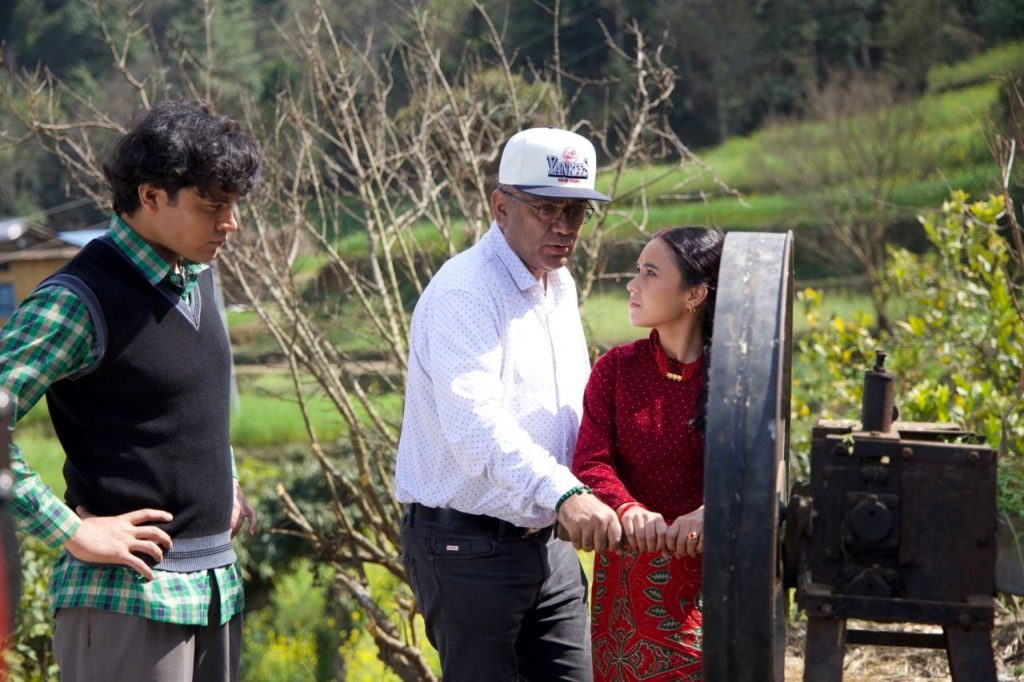
It is a tremendous honour, and I am truly grateful to the RED Movie Awards and its jury. To be recognised here in Reims, at an award whose very name, Reims Excellence Director celebrates directing, means a great deal to me. It is especially meaningful because Gauthali is such a personal film. It tells a story rooted in Nepali society, but its themes of education, family, equality and the right to shape your own future are understood everywhere. I also hope this recognition helps introduce the RED Movie Awards to a much wider audience in Nepal. There is enormous creative talent in my country, and international platforms like this can give the next generation of Nepali story tellers real encouragement and confidence. I see it as a partnership that benefits both sides: the awards bring international attention to a film like Gauthali, and Gauthali can carry the name of the RED Movie Awards to audiences in Nepal and across the Nepali diaspora. This award does not belong to me alone. It belongs to the whole team,  the cast, the crew, the writers, the cinematographers, the musicians and everyone who believed in this story. Most of all, I hope it encourages more people to discover Gauthali and Nepali cinema.

In your director’s statement, you explain that your own parents were married at the ages of twelve and fifteen. How did their experience influence the way you approached this film?

It influenced me profoundly, and it is my mother’s story, above all, that inspired me. My mother was married at just twelve. She never had the chance to pursue her own education the way she might have wished. Instead, she quietly made enormous sacrifices so that my father could complete his studies. He went on to become Dr Bhola Rijal, one of Nepal’s renowned gynaecologists and I do not believe that would have happened without her. What moves me most is that, despite giving up her own education, she understood its value better than anyone. She made sure all three of her sons became professionals, dentists and an engineer. She has been an inspiration not only to us, but to relatives, friends and so many people who know her. Her life made me think about the sacrifices women make, so often in silence and without recognition. With Gauthali, I wanted to ask: what happens when a girl’s future is decided before she has the chance to decide it for herself? I approached that question with empathy, not judgement. I hope audiences see not just a social issue, but a human story about dreams, sacrifice, resilience, and why every child deserves the chance to reach their potential.

 The film is deeply rooted in the villages, landscapes, and traditions of Nepal. How important was it for you to portray Nepali life authentically while making the story relatable to international audiences?
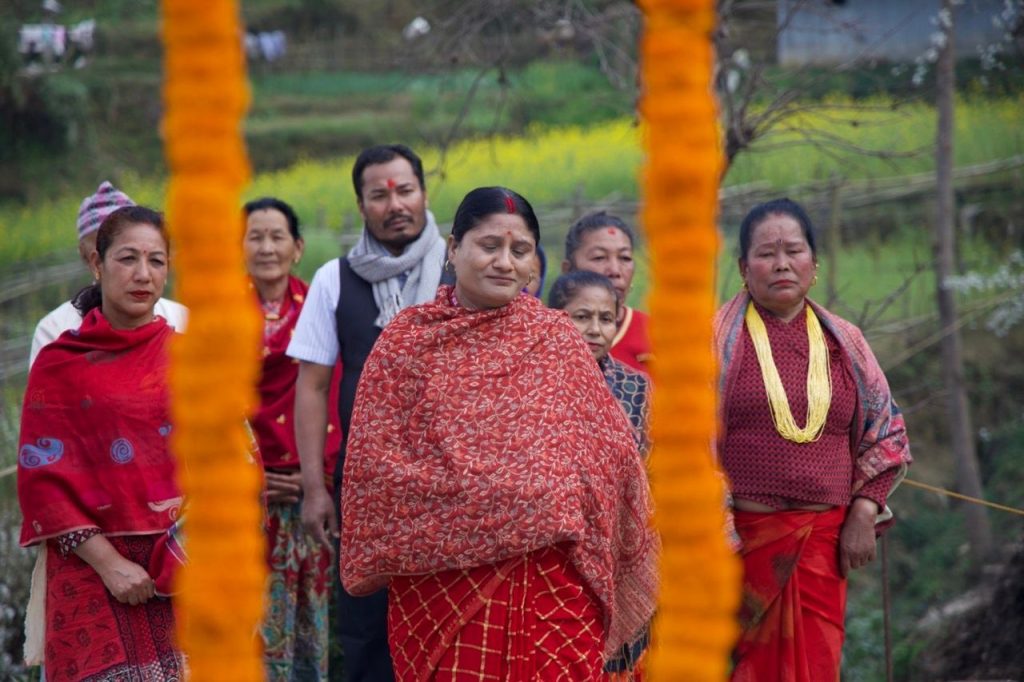
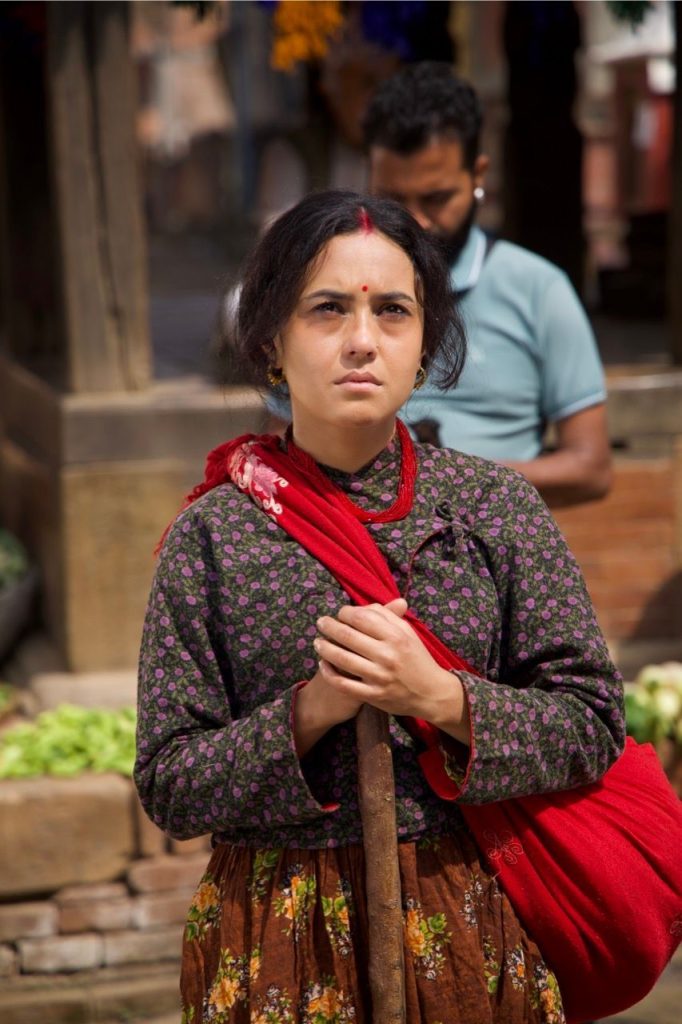
It was absolutely essential. I wanted the villages, the landscapes, the rituals and the relationships to feel completely genuine, because the story had to grow naturally out of Gauthali’s world. I never wanted to dilute that just to make the film look more “international”. I truly believe emotion is the most important key to communicating through cinema. You do not need to understand every word of a language, or every tradition, to understand what a person is feeling. Often, a character’s eyes speak more powerfully than any dialogue. A look of disappointment, a flicker of fear, a small moment of hope. These say everything without a single word. That is the beauty of film in that it crosses language and culture through shared human emotion. So, although Gauthali is rooted in rural Nepal, its heart, childhood, family, sacrifice, education and the longing for freedom belongs to everyone. I hope audiences abroad discover the richness of Nepali culture while recognising feelings they already know.

How did you work with your lead actress to portray Gauthali’s journey from a young girl with dreams to a woman facing responsibilities she was not ready for?
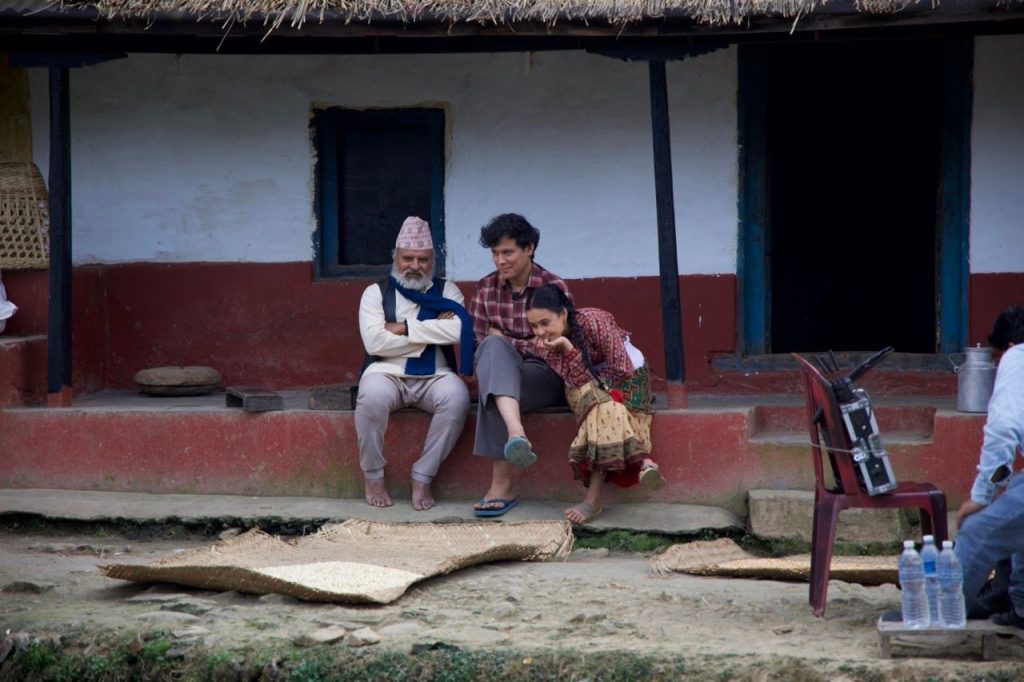
Preparing for this role needed much more than reading a screenplay. It needed a real emotional understanding of what early marriage means in a woman’s life. My lead actress sat down with my mother and spoke with her at length. That was very special, because my mother lived this experience herself, at the age of twelve. She could tell her not just what happened, but how it felt. We also met women in the villages who had married young and were already raising children of their own. Listening to them about their the responsibilities that came too early, the sacrifices, the dreams that were shattered before they had a chance to grow gave us a truth no script could provide. I never wanted her to play Gauthali simply as a victim. She is a complete human being, with humour, hope, stubbornness and resilience. The transformation from a girl with dreams to a woman carrying a weight she was never prepared for had to happen quietly in her eyes, her silences and her everyday moments, not only in the big dramatic scenes. I give enormous credit to her and to the whole cast. Those real conversations gave the performances a depth and honesty that reminded all of us: behind every social issue are real people whose stories deserve to be told with dignity.

You have spent more than three decades working as a dental surgeon while also developing a career in filmmaking. How have these two very different professions influenced the way you observe people and tell stories?

People are often surprised, but the two professions have a lot in common. Both depend on communication, listening, patience and guidance. As a dentist, I have to listen carefully, understand a patient’s worries, explain the treatment clearly and help them feel safe and confident. Every patient is different, so you adapt to the person in front of you. Directing is very similar. I listen to the actor, understand how they see the character, share my vision and guide them gently towards the performance the story needs. Explaining something to a nervous patient and to an actor before a difficult scene takes exactly the same patience. In both, communication goes both ways. You cannot simply give instructions and expect the best result, you have to build trust. Dentistry has also given me precision and discipline, while filmmaking has taught me to observe people and their emotions more deeply. In the end, both are about people. Whether I am treating a patient or directing an actor, empathy, clear communication and trust are what make the difference.

Do you have an anecdote to share with us in particular?
One experience that has stayed with me is the relief work after the 2015 earthquake in Nepal. I helped bring together 21 volunteers from the UK including doctors, dentists and an engineer to support the communities that had been hit hardest. We saw tremendous hardship. But what I remember most is the perseverance and persistence of the people. Families who had lost almost everything were already determined to rebuild, and the first thing many of them spoke about was their children’s future and their schooling. That experience strengthened a belief I have carried all my life, and which is really my personal motto: education is the key to success. It opens doors, creates opportunities and helps the next generation rise above whatever adversity they face. That is exactly why Gauthali matters so much to me. When a child’s education is cut short, or a young person’s future is decided by others, we lose so much potential. Whether through healthcare, humanitarian work or filmmaking, I have always tried to leave people with a little more hope and opportunity than before. For me, perseverance is not just about surviving hard times. It is about continuing to believe a better future is possible.

What is your next project?

Gauthali was made fully in Nepal, with Nepali actors and Nepali crew. From the UK, I brought my own experience of more than thirty years living here. My next film will go one step further. I want to bring British actors to Nepal and make a film rooted in Nepali culture. Nepali and British crews will work side by side. Artists from both countries will share their skills and learn from each other. Both countries have a lot to give. Nepal has amazing stories, places and talent. The UK has great filmmaking experience and technical skill. Together, the film becomes richer. I believe film has no borders. Good stories can come from anywhere and reach anyone. I will keep working as a dentist too, because both jobs connect me with people. I hope Gauthali is just the first step, and I thank Reims for being part of it.