THE INTERVIEW

January, 2026

LEONARDO VALENTI

DIRECTORS OF TV MAN

HONORABLE MENTION
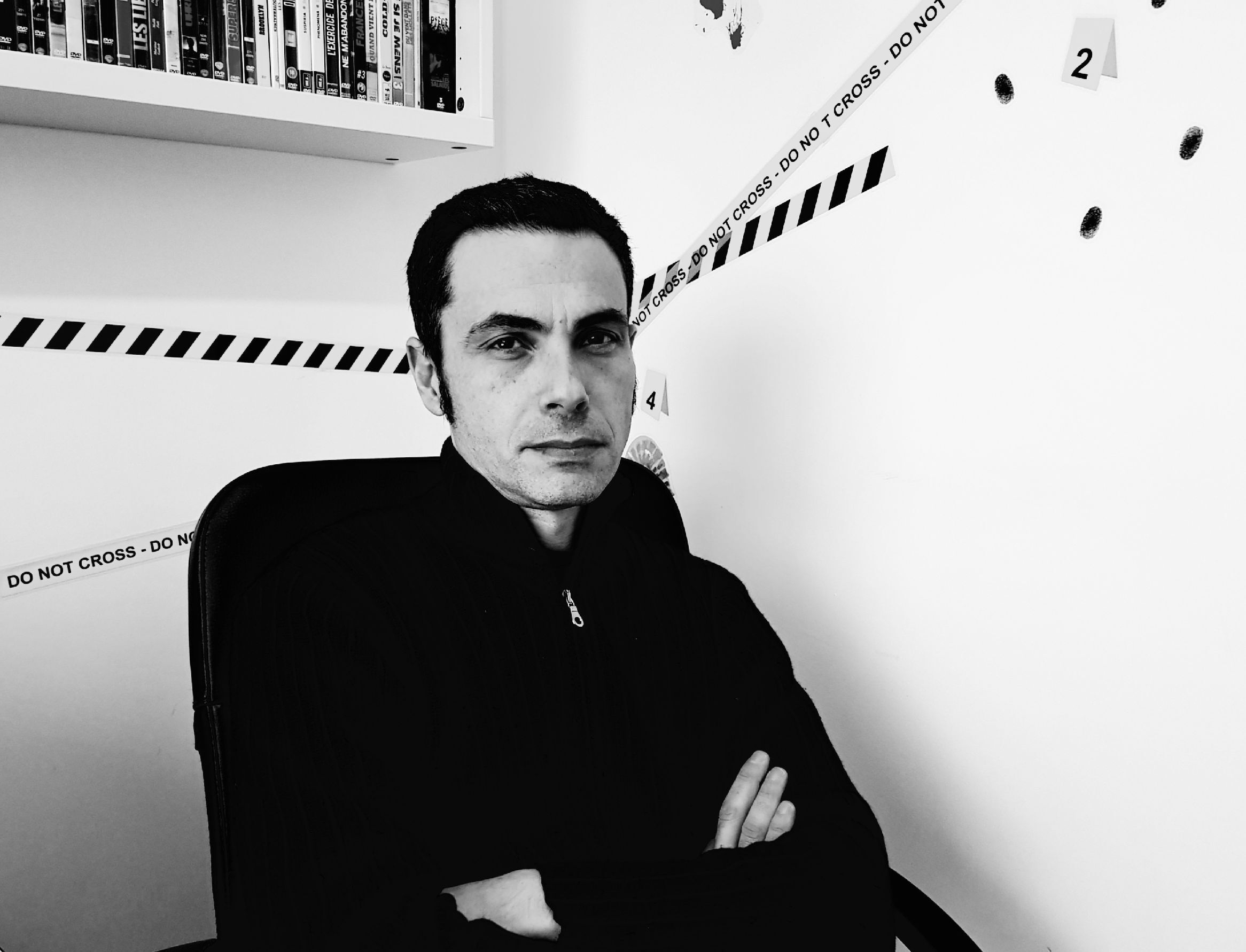
Leonardo, tell us a bit more about yourself. Where does your desire to be a director come from?
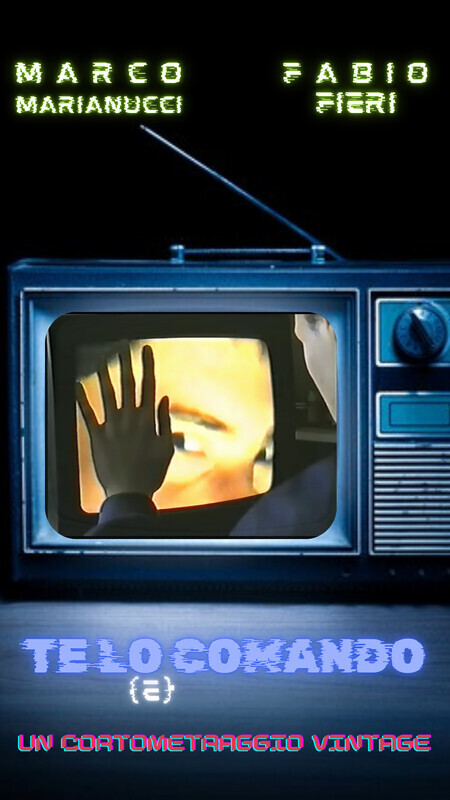
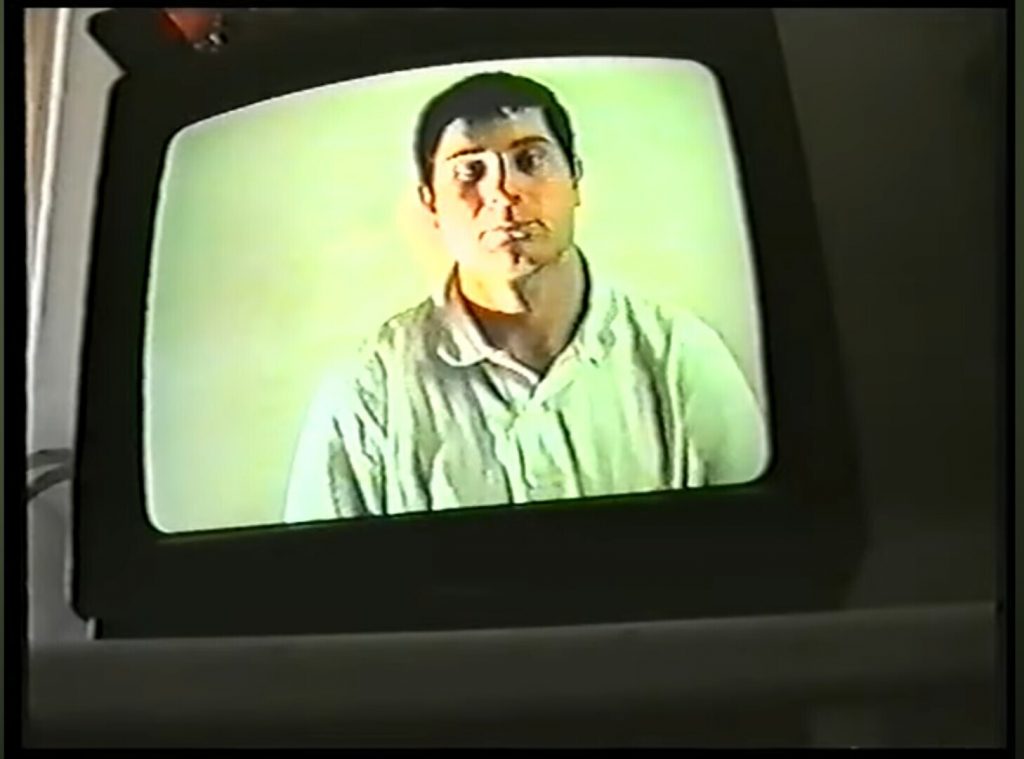
Let me start by saying that this short film was made almost thirty years ago. Since then, I’ve become a professional screenwriter and I essentially stopped pursuing directing. Why did I want to direct in the first place? Because I’ve always loved telling stories, and I’ve always seen them visually. When an idea comes to me, I immediately picture the images it needs. Early on I actually dreamed of becoming a cartoonist, but then I fell in love with cinema and filmmaking. Back when I made TV Man, I was obsessed with the bizarre, the fantastic, the absurd, the nonsensical. That was exactly the kind of thing I wanted to shoot. Pretty soon I realized that Italy, with its glorious neo-realist heritage, wasn’t the easiest place to support that kind of project, so I chose a more sustainable path: writing for others, which I’m good at and which became my profession. But the unexpected success TV Man is having now (over 60 selections, 8 awards, 8 special mentions) has reignited my desire to direct again.

What is your background?

At the time, I was a self-taught filmmaker. Later, I studied screenwriting before breaking into the industry. I also studied law for a while, but I never practiced. I sold my first screenplay when I was 27, and that pretty much decided the direction of my life.

What were your references for TV Man?

A lot, probably too many. The feverish energy of Four Rooms, a touch of David Lynch’s offbeat, absurd humor, camera angles and visual choices inspired by New Hollywood filmmakers (think Spielberg or Scorsese), mixed with the elastic logic of Looney Tunes and Japanese anime. And of course, there’s also a strong commedia all’italiana flavor in the DNA.

You won an Honorable Mention at the RED Movie Awards, what does that mean to you?
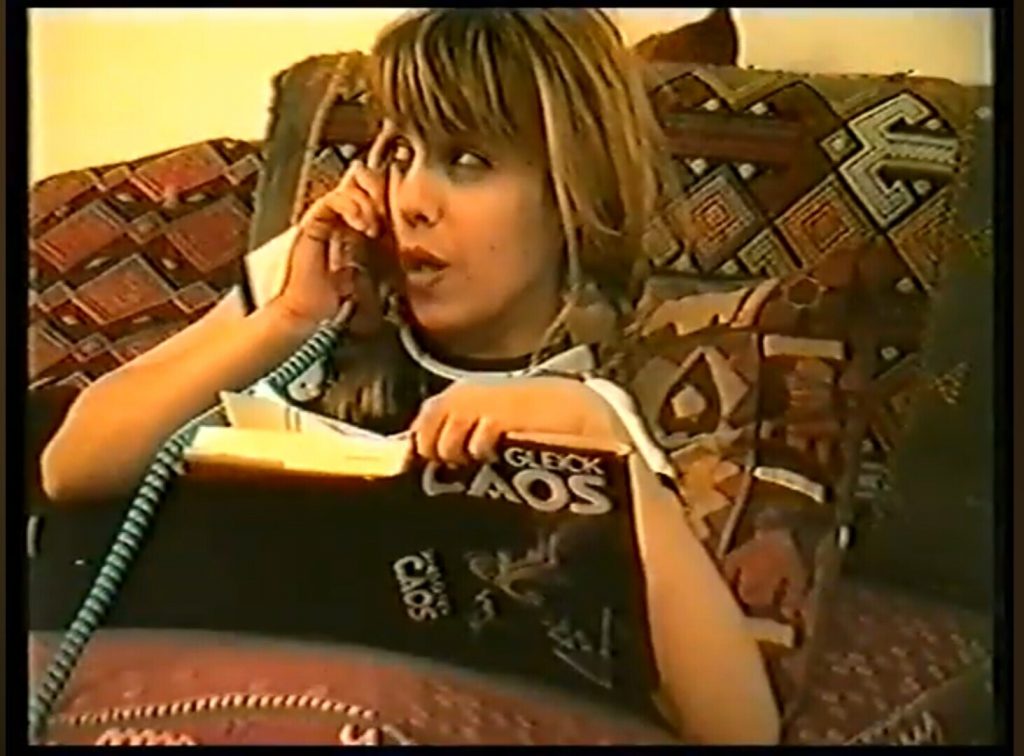
It means a lot. The RED Movie Awards is a French festival, and I’ve been living in France since 2011. After being selected and awarded in so many places around the world, I really wanted TV Man to be properly seen and recognized in France too, where I live and work. So that mention felt personal.

You started your career as a young videomaker inspired by Kevin Smith’s Clerks. How did that early experience shape your approach to filmmaking today?

I’ve been dealing with zero-budget situations since day one, so writing with constraints became second nature. It trained me to build stories that can actually be produced. Later, when I started working in television and saw how limited Italian TV budgets were in the early 2000s, I already had the reflex to scale ideas up or down quickly without losing the core of the story.

Your career spans television, cinema, and comics. How does your work in one medium influence your writing in another?
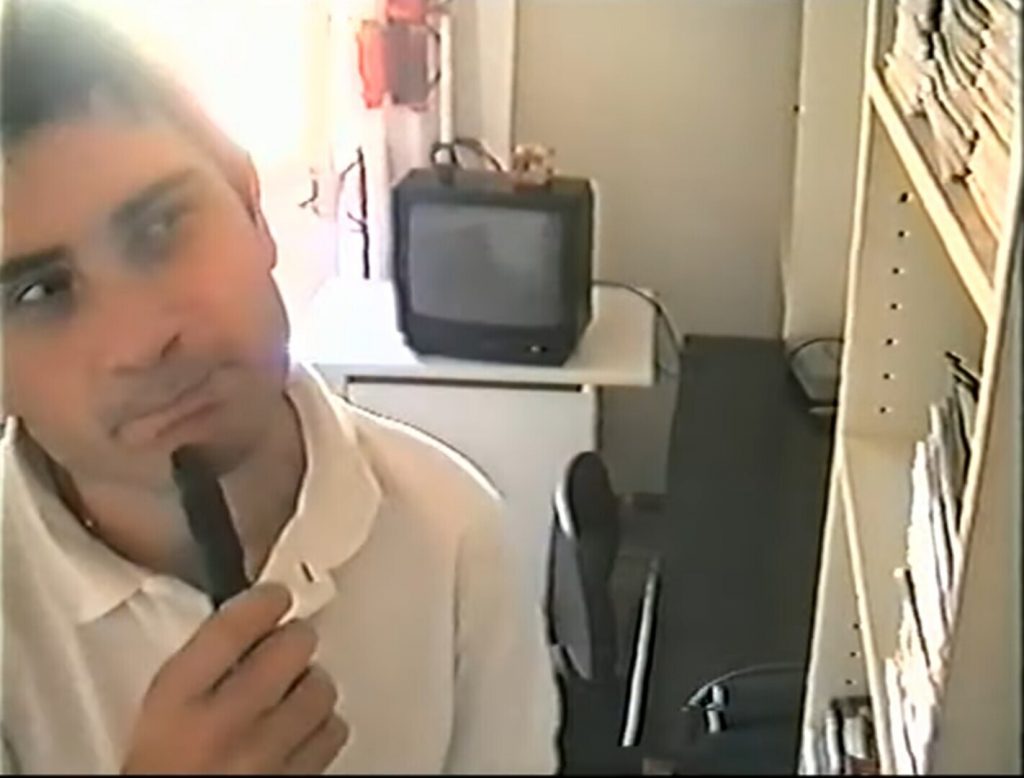
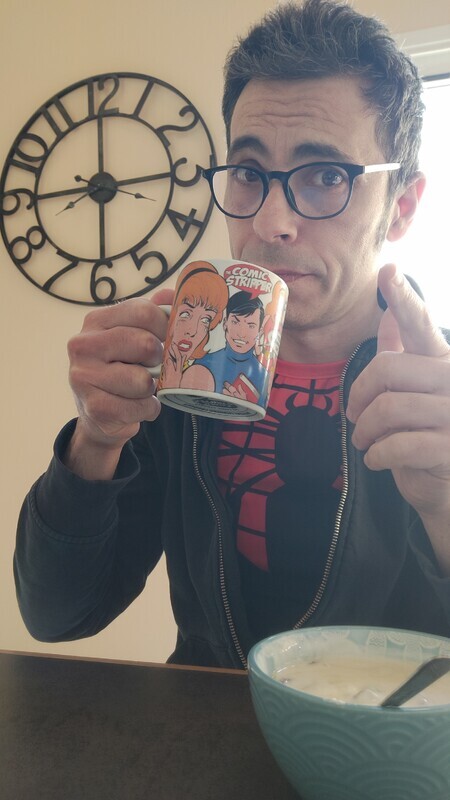
Comics influenced everything else. I’m a very visual writer: every time I write a scene, I see the framing, the angles, the cuts I would use to build it. That comes from growing up with sequential art, learning to tell stories panel by panel. It also gave my personal work a kind of comic-book flavor. In crime series, you have to control that sometimes, but in other contexts it becomes a real strength.

What were some of the technical challenges you faced while shooting this short with limited equipment, and how did you overcome them?

I didn’t have a cinematographer, so I relied heavily on natural light. That was fine for daytime scenes, but much harder for night scenes. I tried to choose well-lit locations, but interior night scenes were the toughest, and some of the results were rough. The other big challenge was editing with two VCRs. I had already edited a bunch of shorts that way, but they were under five minutes. Editing almost 29 minutes like that was a whole different beast. And because of how analog editing works, you feel a constant pressure: when you start a session, you want to finish it cleanly, because every pass is a risk. It really felt like a marathon.

Humor is central to this short. How do you balance comedy with narrative tension, especially in absurd or slapstick sequences?
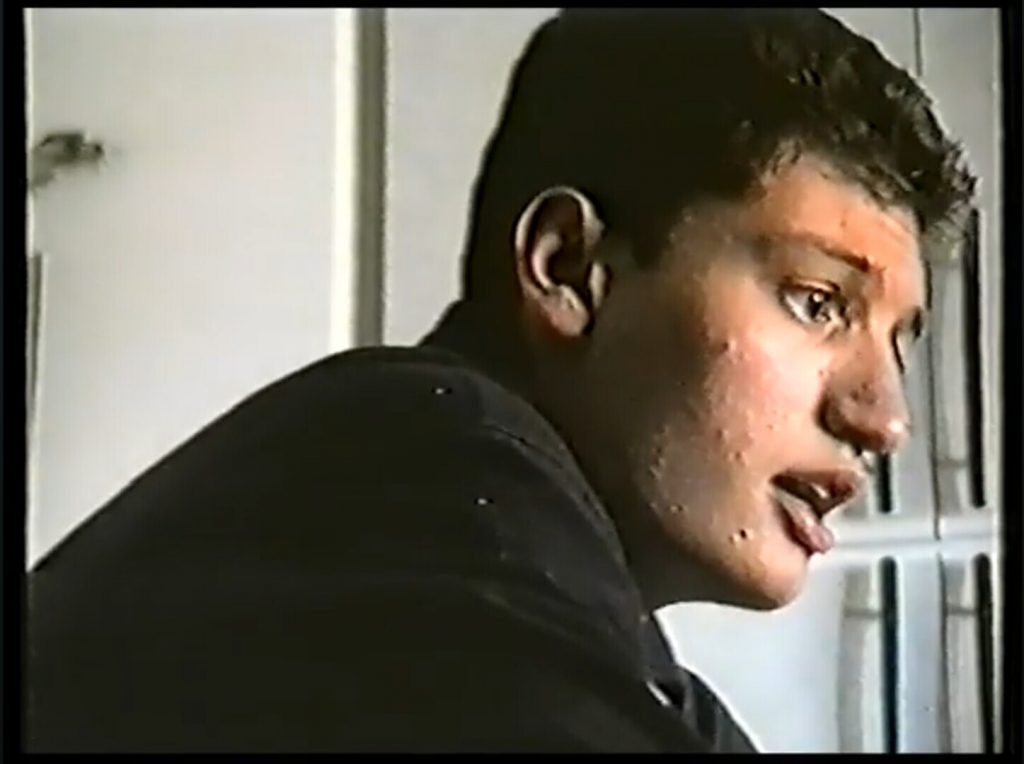
At the time, it was mostly instinct. The story world is grounded: the protagonist feels real, his goal is real, his stakes are real. Then the absurd element crashes into that reality and disrupts it. Also, when the film jumps from one absurd situation to another, I often leave the previous situation “open”, unresolved, so it creates a sense of urgency. The audience laughs, but they also want to know how he’s going to get out of it.

Do you have an anecdote to share with us in particular?

One anecdote really shows how committed we were. On the last day we had to shoot at Marco’s house, the actor playing Marco wasn’t feeling well, but he still showed up and delivered a great performance. When we wrapped, his mother told us he urgently needed to go to the hospital for a health issue, but he didn’t want to delay filming. That’s how much love he put into TV Man. Thanks again, my friend.

What is your next project?

I’m currently writing a couple of TV series while waiting for my latest one to be broadcast. What’s funny is that the show that’s closest to my own absurd sensibility is also the one that might reach the widest audience. It’s called Alex Bravo. It’s a light crime comedy, but the humor often veers into territory that’s still unusual for Italian television, more surreal, more offbeat. And I’m also quietly developing a feature film that I’d love to direct. If I ever manage to finance it, it will fully embrace my absurd comedic style. Because I honestly feel that if TV Man came back from nowhere after 28 years, it was to point me toward a path. Maybe a new one… or maybe an old, forgotten one I’m supposed to follow all the way to the end.