THE INTERVIEW

June, 2026

SEVAG CHAHINIAN

DIRECTORS OF STILL HERE

BEST MICRO SHORT
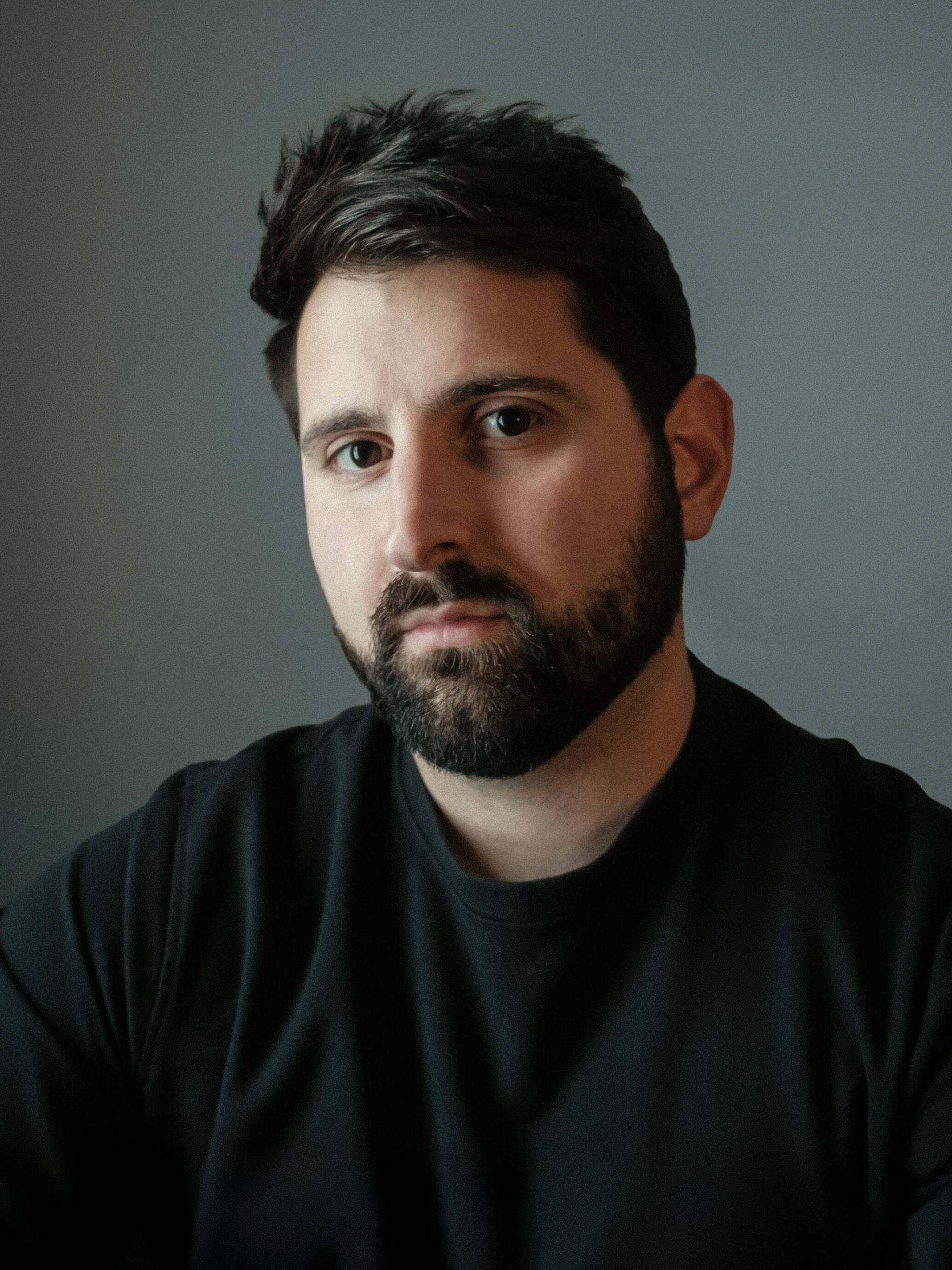
Sevag, tell us a bit more about yourself. Where does your desire to be a director come from?
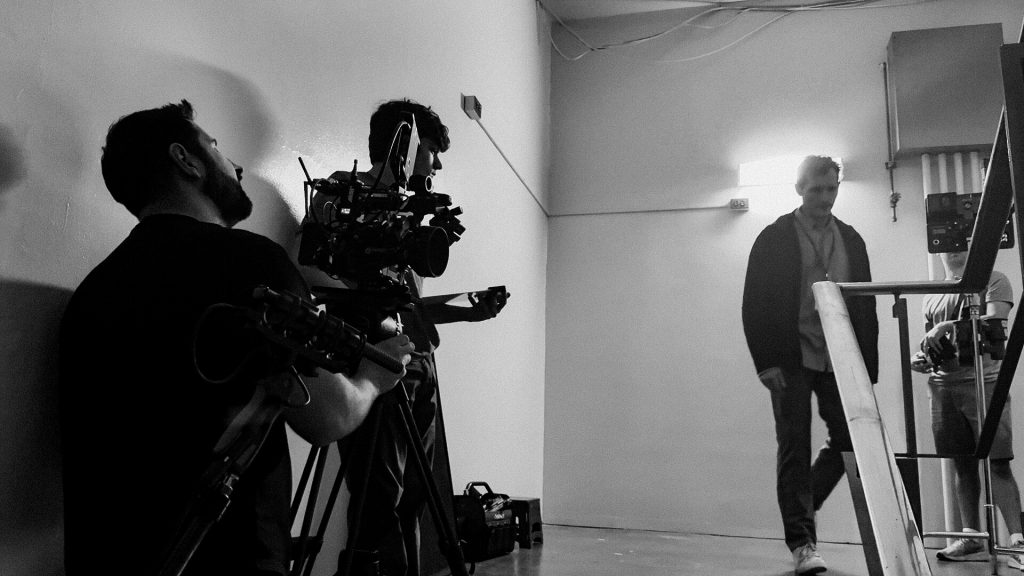
I’ve always been drawn to storytelling and creative expression, but one of the biggest things that pulled me toward directing was the idea of taking something that only exists in your head and seeing if it can become real. There’s something very fulfilling about starting with a feeling, an image, or even a fear, and slowly building it into something other people can experience with you. I also love the collaborative side of filmmaking. Directing is such a unique balance between personal expression and trusting other artists to help shape the vision. Some of my favorite moments in filmmaking are when an idea evolves because of the people around you and becomes better than what you originally imagined. For me, directing has always been less about control and more about translating emotions or thoughts that are difficult to explain in normal conversation. Film becomes the outlet for that.

What is your background?

My background is mainly in cinematography, which became the area of filmmaking I naturally gravitated toward early on and where I began building my career. Visual storytelling always came very instinctively to me, and over time cinematography became my way into understanding cinema on a deeper level. At the same time, I’ve always directed projects along the way as well, including narrative films, music videos, commercials, and other creative work. Even while primarily working as a cinematographer professionally, directing was always something that existed alongside it creatively rather than feeling like a completely separate path. What separated my approach to cinematography from simply making images look visually pleasing was that I always viewed it through a story first perspective. I was constantly asking questions like “Why is the camera here?”, “What is this lighting choice emotionally accomplishing?”, or “How does this visual reflect the character’s state of mind?” Every creative decision needed to have intention behind it beyond aesthetics alone. Because of that, my cinematography philosophy naturally overlapped with directing. Both disciplines are really about emotional communication, perspective, rhythm, and understanding why an audience feels something. Cinematography taught me how powerful visual language can be, while directing pushed me even deeper into psychology, character, and theme. Over time, the transition into directing larger narrative work felt very organic because I already approached visuals with a director’s mindset. Both cinematography and directing fulfill a very similar creative passion for me, just from different angles.

What were your references for Still Here?

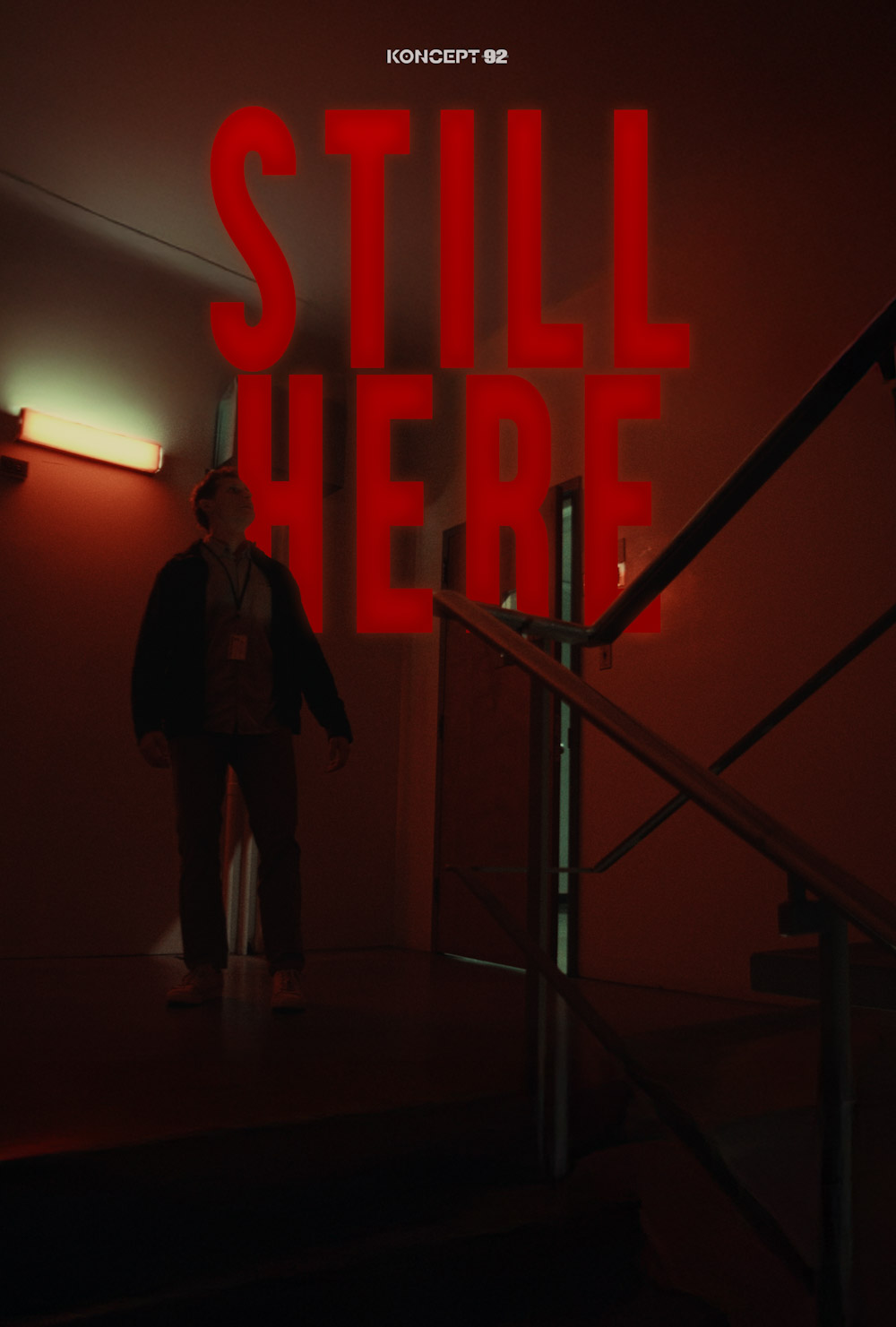
There were definitely inspirations from projects like Severance, Mr. Robot, and Insidious, especially in the way they create psychological tension through repetition, atmosphere, isolation, and controlled environments. I was very interested in the feeling of reality slowly breaking apart while the character is trying to hold onto logic, while also creating horror through atmosphere and emotional unease rather than relying purely on surface level scares. At the same time, a lot of the inspiration honestly came from real emotions and anxieties. The fear of feeling trapped in life, stuck in routines, or unable to move forward became one of the emotional foundations of the film. The stairwell became less of a location and more of a metaphor for that feeling.

You won Best Micro Short at the RED Movie Awards, what does that mean to you?
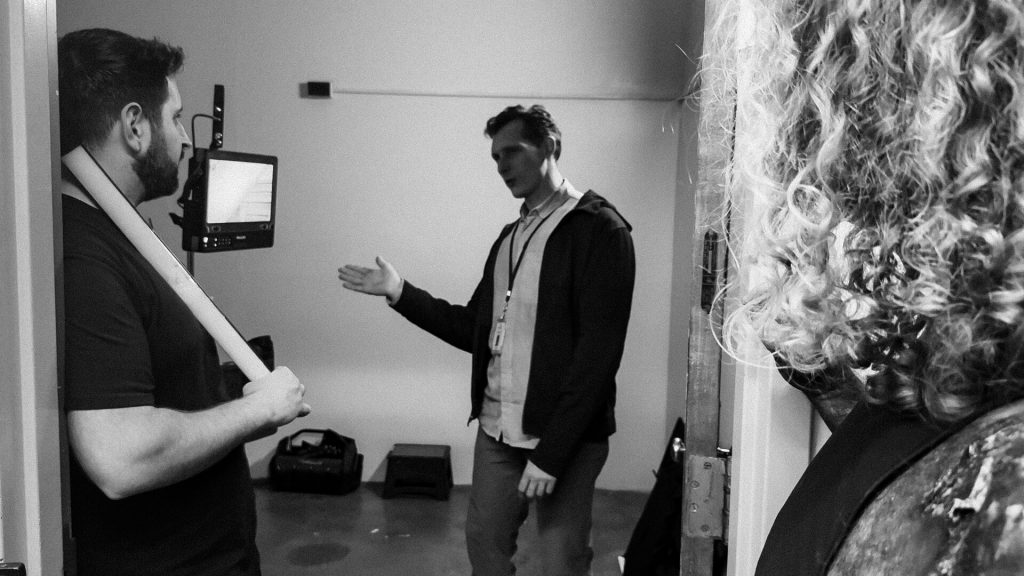
It means a great deal to me, especially because Still Here was such a small and personal project made with people who simply wanted to create something together. Recognition like this is incredibly encouraging because it reminds you that even the smallest projects can still connect with people if they come from an honest place. I think it also reinforces an important lesson for filmmakers and artists in general: sometimes you just need to make the thing you feel compelled to make without overthinking the outcome. Not for festivals, not for validation, and not for expectations. Just because the story means something to you and the people making it alongside you. A lot of great art comes from simply creating with your friends and trusting the work to speak for itself. This award feels like encouragement to keep doing exactly that.

The film transforms a simple stairwell into a deeply unsettling space. What attracted you to such a minimal yet psychologically intense setting?

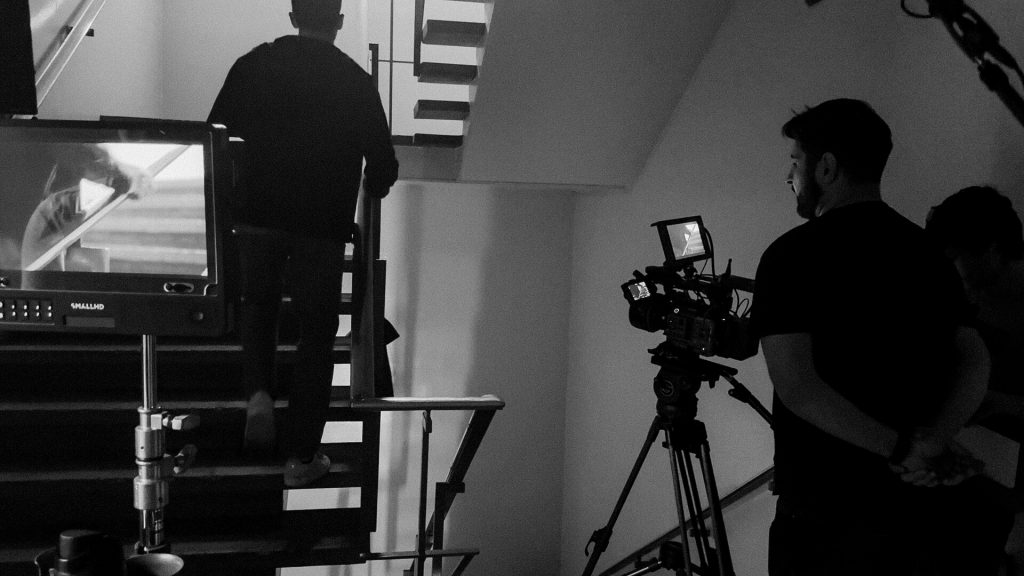
One of the things that attracted me to the setting was actually our limitations. We wanted to create something psychologically intense while staying within a very confined space, and that challenge became creatively exciting. It forced us to think about how the environment itself could evolve and become a character in the story rather than just a backdrop.

What made this particular stairwell even more meaningful was that it was located in a building where I used to work during high school and early college. I had spent countless late nights going up and down those stairs, so there was already something emotionally embedded in the location for me. It naturally carried an unsettling feeling before we even started filming.

That familiarity helped shape the atmosphere of the film. The space already felt trapped between routine, exhaustion, and memory, which aligned perfectly with the themes we were exploring.

Repetition and disorientation play a central role throughout the film. What did you want the audience to feel during this endless cycle?
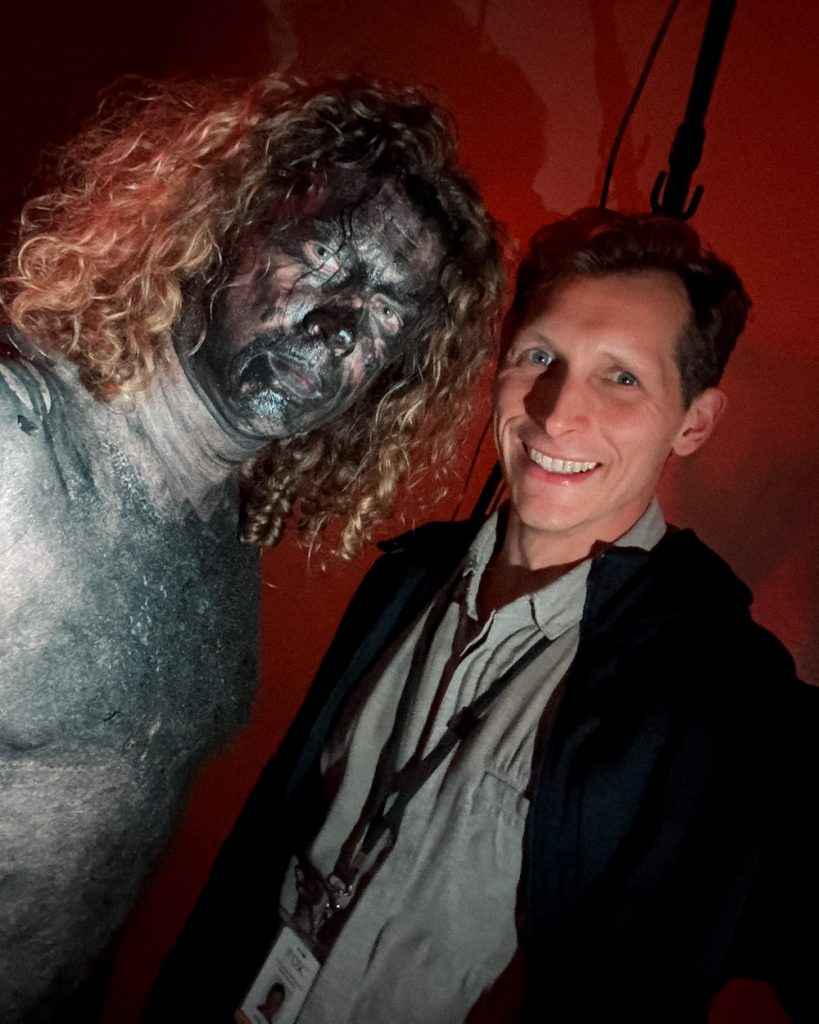
At its core, the film is about the fear of being stuck. Not just physically, but emotionally and psychologically. The fear of staying in the same place in life while everything around you keeps moving forward. Whether that’s career, relationships, personal growth, or even your own sense of identity. I wanted the repetition and disorientation to slowly build anxiety in the audience. That feeling where you no longer know if you’re progressing or just repeating the same cycle over and over again. The character believes he can force his way out through panic and control, but that desperation is actually what pushes him deeper into the loop. There’s also a hidden layer in the film where different levels of the stairwell represent different moments in time. The sounds he hears are often echoes of himself from previous or future loops. Even the figure he sees below him is tied to a later stage of his own descent. He doesn’t realize he’s essentially confronting fragments of himself the entire time. For me, that became symbolic of how fear and panic can sometimes trap us in cycles we unknowingly create for ourselves.

Despite its short format, the film creates a very strong atmosphere of tension and paranoia. How did you approach building suspense within such a limited runtime?

Finding the pacing was probably one of the biggest challenges. In the beginning, I didn’t want the film to feel rushed simply because of the runtime. The audience needed enough space to settle into the environment and understand the rhythm before things started escalating. Repetition became one of the main tools for building suspense. Each loop feels familiar, but subtle changes in atmosphere, sound, and behavior slowly create instability. I think there’s something deeply unsettling about recognizing patterns while simultaneously feeling them slip further out of control. A lot of the suspense also came from very human fears. The fear of being trapped, losing control, or being chased by something you don’t fully understand. I pulled from recurring nightmares I’ve personally had where you’re trying to escape something but can’t fully get away. I think many people have experienced some version of that feeling, even subconsciously, so it creates an immediate emotional connection. What also added to the energy of the film was the way it was created. About a week before Halloween, Sean Dube, who plays the lead in the film, and I had some time on our hands and were both itching to create something. We decided almost impulsively that we wanted to make a short film and release it by Halloween. That urgency gave the project a very raw and instinctive energy. Everyone involved was there simply because they believed in making something together, and I think that translated directly into the atmosphere of the final piece.

Microshort films require precision and efficiency in storytelling. What did this format allow you to explore creatively compared to a longer project?
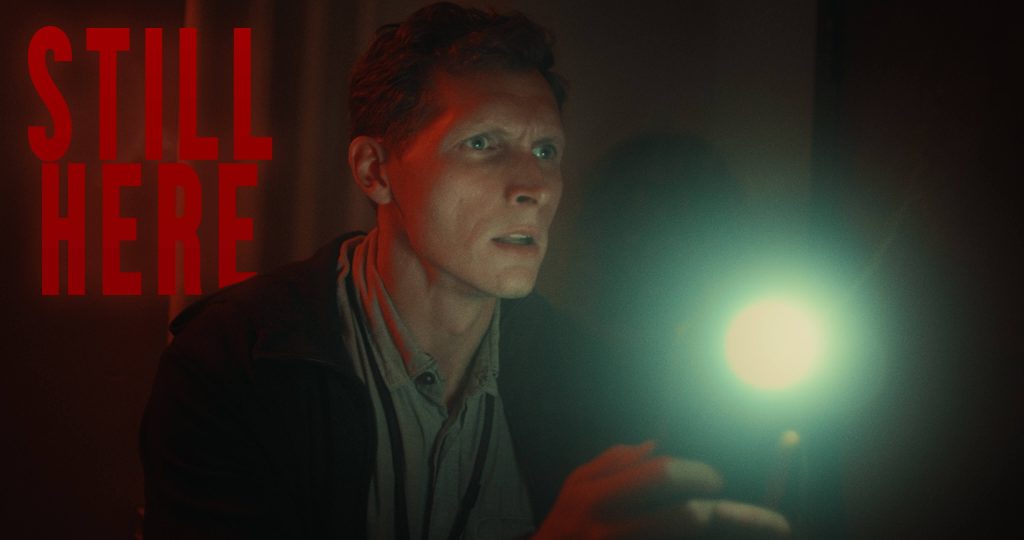
The limitations of the microshort format heavily shaped the final film, but I never viewed those limitations as compromises. Instead, they became part of the creative language of the project. The core message stayed the same, but we adapted the way we told the story to fit the format and resources we had available. I think constraints can be incredibly valuable at times creatively. If your core idea is strong enough, there are many different ways to communicate it effectively, and limitations can sometimes force you to become more inventive and more honest about what the story truly needs. At the same time, the shorter format also felt freeing in a lot of ways because the stakes felt lower creatively. It allowed us to experiment more, trust instinct more, and not overthink every decision as much. We planned as much as we could, but we also left room for the project to evolve naturally while shooting and in post production. Some of the best creative moments came from allowing the film to grow organically during the process.

Do you have an anecdote to share with us in particular?

One moment that stayed with me happened while we were shooting alone in the stairwell late at night. Being back in that building immediately brought me back to when I used to work there during high school and early college, and it reminded me of how stuck and uncertain I sometimes felt during that period of my life. But standing there again years later while making this film with people around me who believed in the project and wanted to help bring it to life, I suddenly realized how much had actually changed. Sometimes when you’re moving through life every day, you don’t realize how far you’ve come until you step back and look at it from a distance. We were filming a story about being physically trapped in a loop, but underneath it, the film was really about a much more human fear. The fear that time is moving and you somehow are not. I think that’s also why so many people connected to the film emotionally. A lot of people feel trapped or lost at different points in life without realizing how universal that feeling really is. I think that emotional honesty is what ultimately gave the project its energy. Even though the film has horror elements, it’s rooted in something very real.

What is your next project?

As a director, I’m currently developing another short film that I plan to make this year, while also continuing to write new stories that I know I’ll want to bring to life in the near future. I’ve become very interested in stories that blend psychological themes with grounded emotional experiences, so that’s something I’m continuing to explore. On the cinematography side, I also have a few feature films potentially in the pipeline with other directors and collaborators that I’m very excited about as they continue developing. At the same time, I’m continuing to grow my production company, Koncept 92, which has become an important creative hub for me and the people around me. One of my long term goals is to help create an environment where filmmakers and artists can continue making personal work together and support each other creatively. A lot of projects only exist because people around you are willing to believe in them, and I want to continue building that kind of community.