
THE INTERVIEW

October, 2026

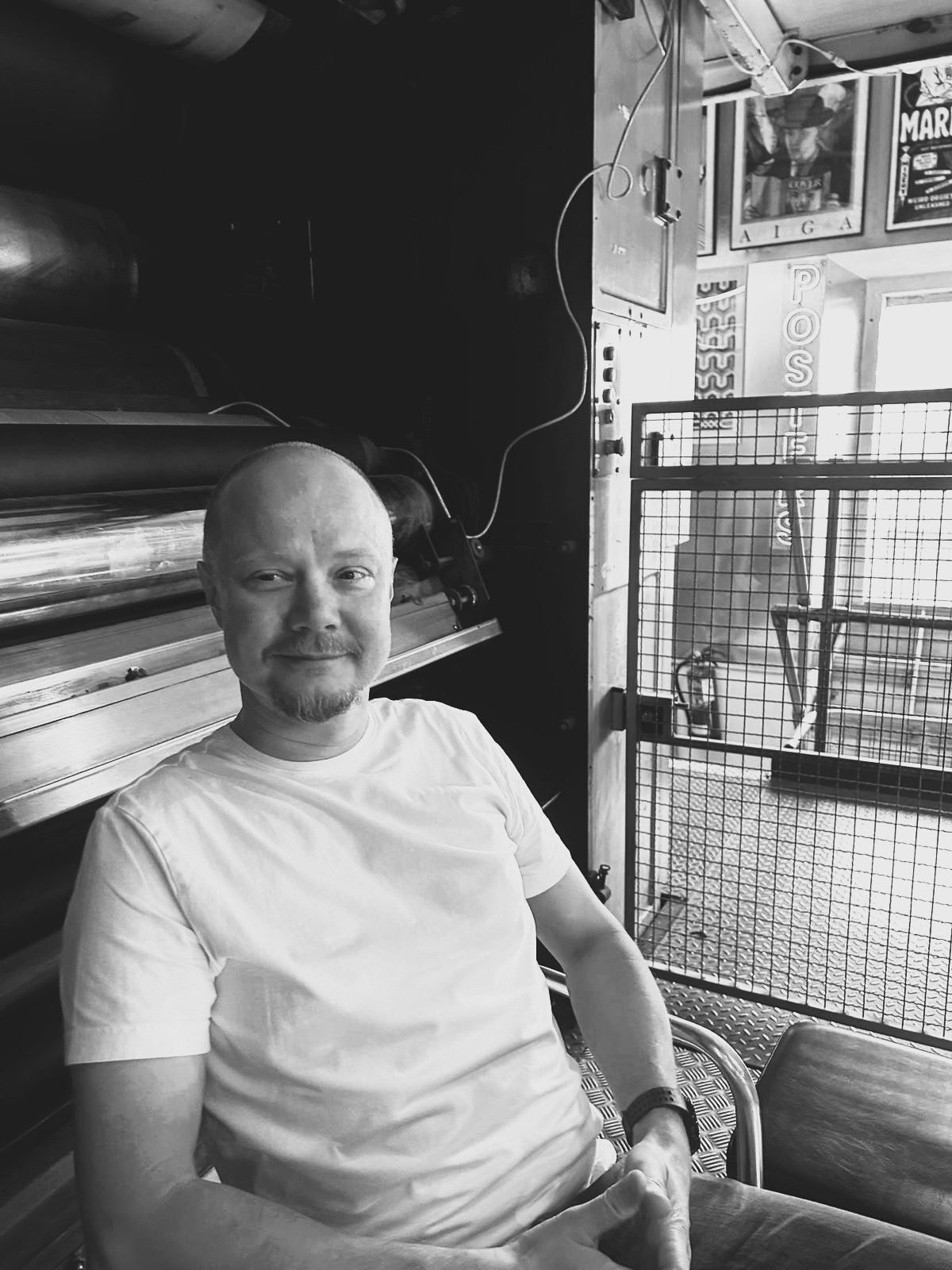
Tomáš Svašek

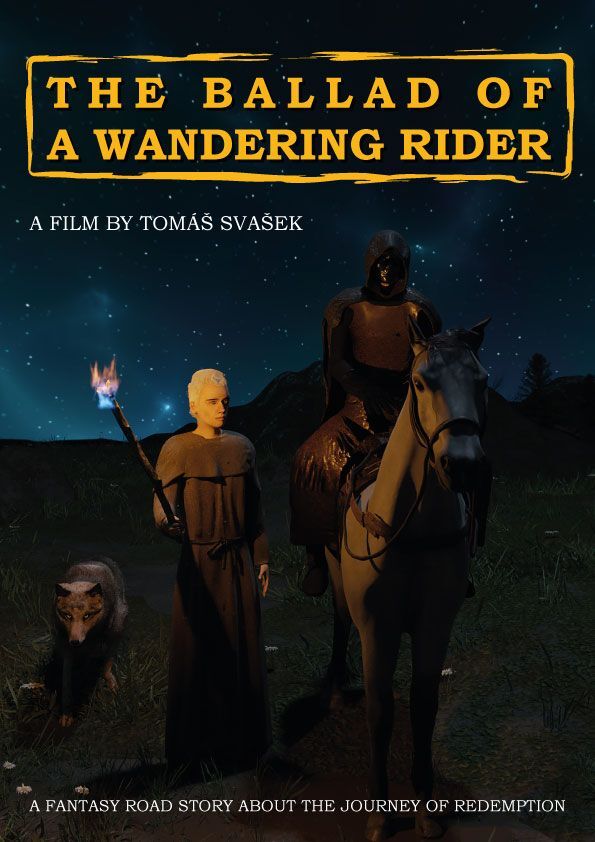
DIRECTOR OF THE BALLAD OF A WANDERING RIDER

BEST FANTASY

Tomáš, tell us a bit more about yourself. Where does your desire to be a director come from?

It was quite simple, really. I have always wanted to tell stories. And because of that, I have always looked for different ways to share those stories with others. At first, it was through song lyrics or music itself, then through still images, and now through animated film. There is really nothing more complicated behind it. At different points in my life, I have simply looked for the form that felt right for telling my stories.

What is your background?

I’ve basically been self-taught all my life, by choice and conviction. I have a rather “punk” approach to life. Years ago, I started playing in a band without really knowing how to play an instrument or sing. Then I started drawing without really knowing how to draw. And for roughly the past twelve years, I have been working with animation and film without ever having attended a professional film school. Basically, I have a story I want to tell, and I learn the craft along the way – whether that means learning chords, computer animation, or whatever else I need. This is my third film, following The Boy & the Raven (2015) and Siggy Brat (2019).

What were your references for The Ballad of a Wandering Rider?

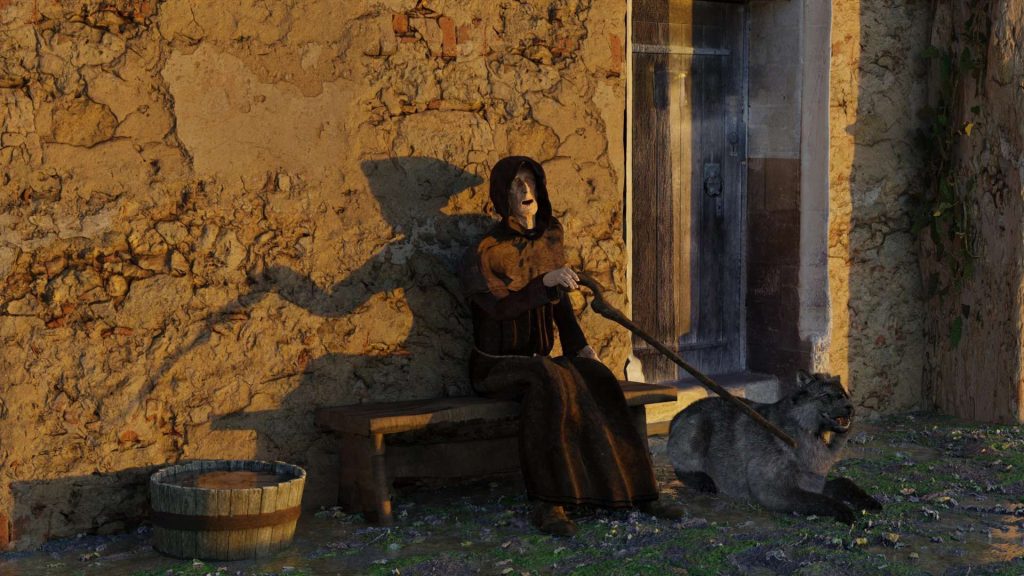
I was very much inspired by the aesthetics of old paintings, especially the use of chiaroscuro. To me, those paintings contain so many mysteries and stories that they almost become fantasy worlds in their own right. And then, as with all my films, there is music. To some extent, the music almost writes the screenplay for me. I simply play something, close my eyes, and everything starts to unfold according to whatever mood I am in at that moment. And I have to say, the three years during which this film was made were a pretty dark time for me.

You won BEST FANTASY at the RED Movie Awards. What does that mean to you?

It means a great deal to me. First of all, I think feedback is always important for any filmmaker, and festivals like this one are a wonderful opportunity to receive it. Secondly, festivals are also a path that can open another path – the one that leads to the audience itself. And that is ultimately my main goal: for as many people as possible to see the film.

Your film combines fantasy, violence, redemption and a strong Western-like atmosphere. What cinematic influences shaped this world?

There are definitely many. When it comes to the themes of redemption and the longing for freedom, Papillon has been a long-standing inspiration for me, both as a novel and in its various film adaptations. I also love the atmosphere of Spaghetti Westerns, particularly the brilliant combination of Sergio Leone’s filmmaking and Ennio Morricone’s music. And last but certainly not least, there is the legendary Czech filmmaker Karel Zeman, who combined different filmmaking techniques in such an extraordinary way. I especially love his animated film Krabat – The Sorcerer’s Apprentice. That film in particular has always been a huge inspiration to me.

You also composed the music for your previous films. How important was music in defining the atmosphere and emotional journey of The Ballad of a Wandering Rider?

The music for this film was probably something of a happy accident.
Originally, I wanted to “import” music from external sources, but the production side of things put a stop to that because it would have been too expensive. :rougir: So, in the end, much of it was left to me.
For me, however, music is absolutely equal in importance to the visual side of a film. So yes, once again, the soundtrack played a very important role in shaping the film.
At its heart, the film seems to be about redemption and bearing witness to the past. What message would you like audiences to take away from the rider’s journey?

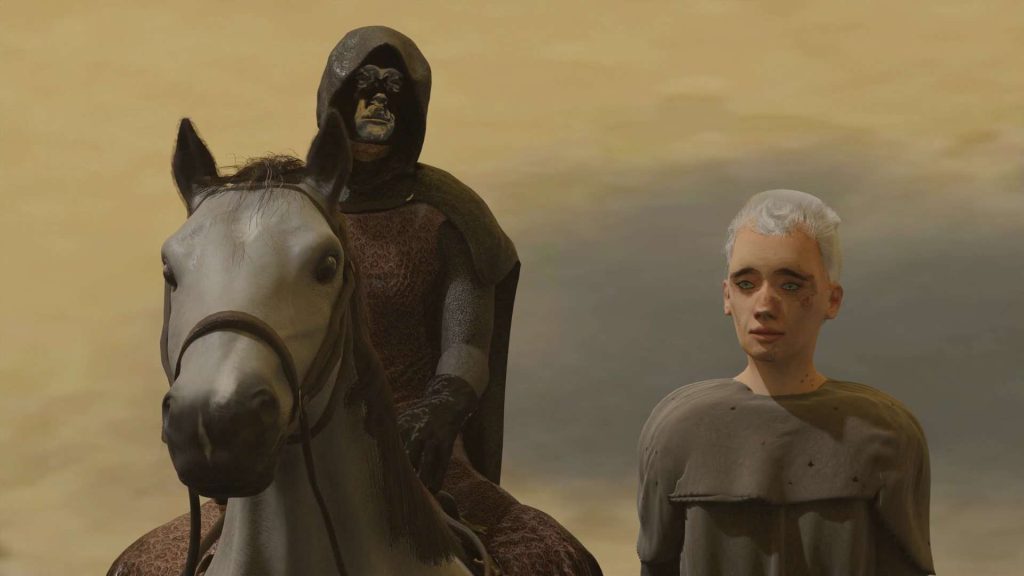
The story has several layers. At its most basic level, it is of course about good and evil. The masked rider is a kind of comic-book hero who punishes evil along his journey. In doing so, he is trying, in his own way, to put something right in the world – to do some kind of greater good. At the same time, however, his own past remains a mystery. We can sense that his journey is also a personal search for redemption – a way of coming to terms with his own conscience. So, on a symbolic level, the story is about the idea that everyone deserves a second chance. Everyone should have the opportunity to make amends for their mistakes and, in a moral sense, to be forgiven. And Nitka? He is the one who is meant to carry the rider’s message forward, to preserve the memory of everything that happened and to tell others what he witnessed. Hopefully, he managed to do that well enough…

You created the film almost entirely as an independent author. Which part of the process was the most challenging for you over these three years?

Self-discipline. Finishing this particular project was probably the hardest thing of all, especially because of everything I went through in my personal life during those three years. It took a great deal of determination and discipline simply to bring the film to completion.

Do you have an anecdote to share with us in particular?

Originally, I wanted to make the film as a 2D animation. But when I started sketching the main character, I suddenly became worried that the illustration style might have been a little too heavily inspired by Karel Zeman.
So I completely changed the visual concept. I spent a lot of time visiting art galleries – often much to my daughter’s annoyance :rougir: – and eventually made the film in 3D.
Looking back, I am glad I made that decision. I think the sense of depth that the 3D technique brought to the film suited it much better.

What is your next project?

I don’t want to reveal the specific story just yet, but I would like to try something feature-length this time – a full-length film.
I see it as my next challenge and a logical step forward in my own filmmaking journey…
And now I’m probably going to curse myself for saying that out loud. :rougir: